The landscape of dining in Singapore is undergoing a profound transformation. For decades, the local perception of Japanese cuisine was largely defined by a few pillar dishes. If you were to ask a diner what they expected from a meal at a Japanese establishment, the answers would almost certainly involve sushi, sashimi, or perhaps a bowl of ramen. While these traditional dishes remain beloved staples, the future of Japanese dining in our city-state is moving toward a more nuanced, regional approach. We are seeing a shift away from “general” menus toward highly specialised Japanese restaurants that champion the soul food of specific prefectures.
As a team dedicated to bringing the authentic essence of Hokkaido to the tropics, we have observed how diners are no longer satisfied with just any Japanese food. They are seeking a story, a sense of place, and unique dining experiences that transport them to the snowy streets of Sapporo or the coastal villages of Kyushu. This evolution is driven by a desire for authenticity and a deeper curiosity about the vast diversity of flavors found across the Japanese archipelago.
The Evolution of Japanese Cuisine and the Rise of Regionalism
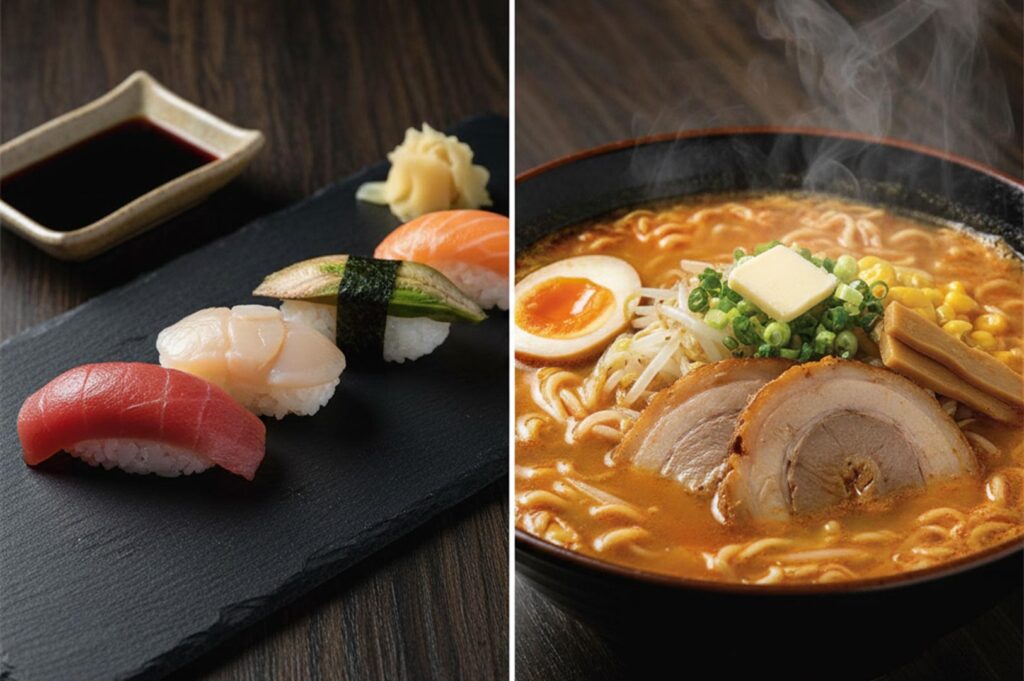
In the early days of the Japanese food scene here, the focus was primarily on excellence in a few specific categories. You would visit a high-end omakase bar for the freshest fish flown in from Tokyo, or a quick-service concept for a reliable bowl of udon. However, as the world becomes more connected and Singaporeans travel to Japan more frequently, their taste buds have become more sophisticated. They have discovered that the cuisine of the north is worlds apart from the flavors of the south.
The future of Japanese dining lies in this granular exploration. We believe the next chapter of our local culinary journey involves moving beyond the standard soy sauce and dashi profiles to embrace more complex, regional flavorful broths and cooking techniques. This shift allows chefs to showcase true innovation while staying rooted in tradition. It is no longer just about the sushi on the plate, it is about the regional culture that birthed the dish.
Why Regional Specialisation is the New Dining Experience
When a restaurant focuses on a specific regional specialty, the overall dining experience becomes much more immersive. Instead of a sprawling la carte menu that tries to cover everything from sea urchin to chicken katsu, specialized Japanese restaurants offer a curated narrative. This approach allows for a level of culinary artistry that is difficult to achieve in a generalist setting.
For example, by focusing on the soul food of Hokkaido, we can dedicate our entire craft to mastering the balance of spices and the preparation of vibrant, deep-fried vegetables. This level of focus ensures that every bite is a reflection of a specific geographic history. Guests appreciate this dedication to a single concept, as it feels more authentic and less like a commercialised version of a culture.
How Unique Dining Experiences are Shaping the Future
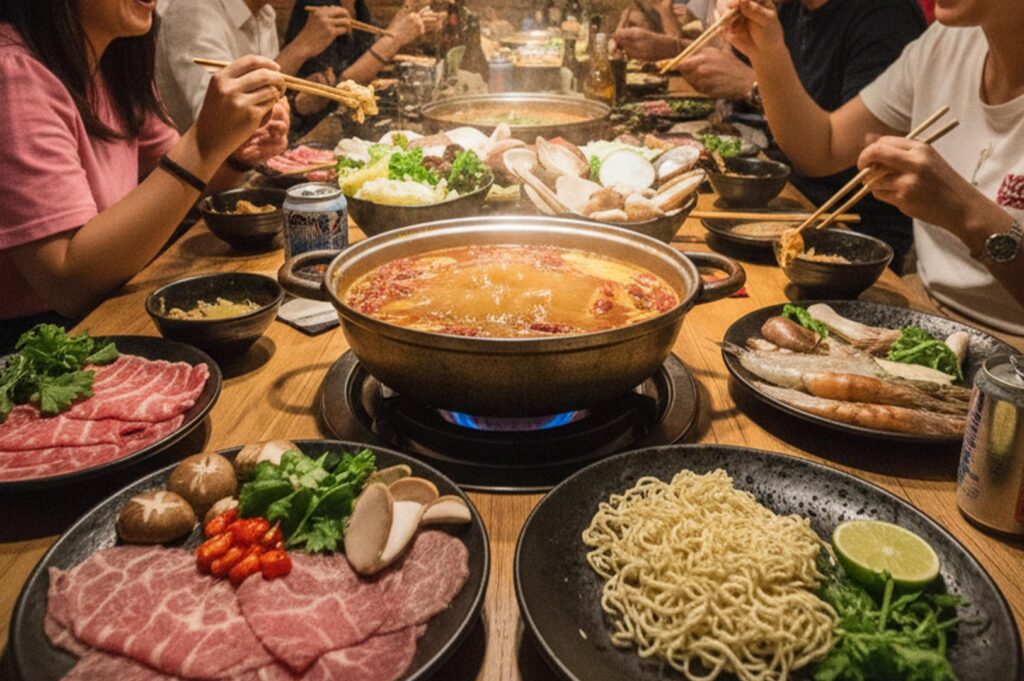
As we look ahead, the dining experience in Singapore will be defined by how well a restaurant can marry regional authenticity with local sensibilities. The term uniquely Singaporean often refers to our love for bold, spicy, and hearty meals. Regional Japanese dishes like soup curry fit this profile perfectly, offering a bridge between the delicate nature of Japanese flavors and the robust preferences of local diners.
The future is about discovery. It is about the fun of trying something you cannot find in every shopping mall. Whether it is a specific type of cold noodles from Morioka or the hearty flavorful broths of Sapporo, these niche offerings provide the unique dining experiences that modern consumers crave. They want to feel like they have discovered a hidden gem that tells a story through its menus.
The Importance of Ingredient Integrity and Sustainability
In this new era of Japanese dining, the sourcing of ingredients is paramount. Sustainability is no longer just a buzzword, it is a requirement for excellence. Diners today want to know where their seafood comes from and how their vegetables were grown. This transparency is a core part of the customer experience.
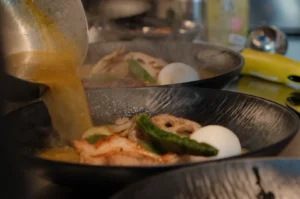
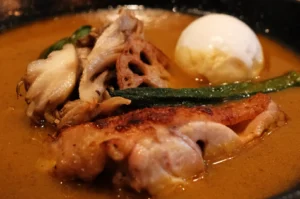
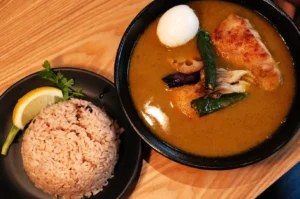
In our kitchen, we prioritise the use of fresh produce to recreate the vibrant textures found in Hokkaido. The presentation of a dish, featuring beautifully cut bell peppers, lotus root, aubergine, and potato, is not just for aesthetics. It is a tribute to the agricultural bounty of the region we represent. Using precise Japanese cutting methods ensures that each vegetable retains its integrity within the soup, providing a satisfying crunch that contrasts with the tender meat.
Redefining the Table: From Lunch to a Cosy Izakaya Night
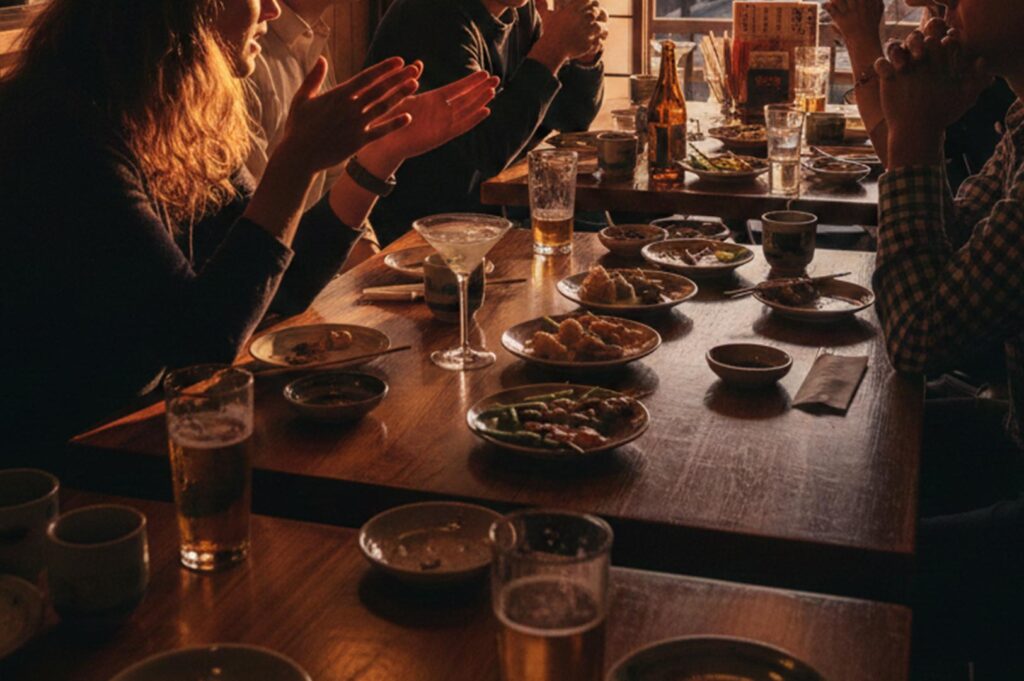
The future also sees a blurring of lines between different types of dining formats. The rigid distinction between a quick lunch spot and a formal dinner destination is fading. Modern Japanese restaurants are becoming more versatile, adapting their atmosphere to suit the time of day and the mood of their guests.
Our own approach mirrors this trend. During the day, the focus is on a hearty, nourishing meal that provides comfort and energy. However, as the sun sets, the atmosphere shifts. The space transforms into a cosy izakaya-style bar where drinks and conversation take center stage. This flexibility is a key part of the innovation required to thrive in the competitive landscape of dining in Singapore.
A Focus on Comfort and the Soul Food Movement
While omakase and high-end sushi will always have a place, there is a growing movement toward “soul food.” This refers to dishes that are delicious, filling, and evoke a sense of warmth. These are the meals you want to eat after a long day of work, or share with friends over a relaxed dinner.
The soul of regional Japanese cooking lies in these comforting bowls. Whether it is a rich curry or a slow-simmered stew, these dishes offer a level of satisfaction that goes beyond mere sustenance. They provide a taste of home, even if that home is thousands of miles away in Asia. This emotional connection is what will keep diners coming back to regional Japanese cuisine.
The Role of Tradition in a Modern Culinary Landscape
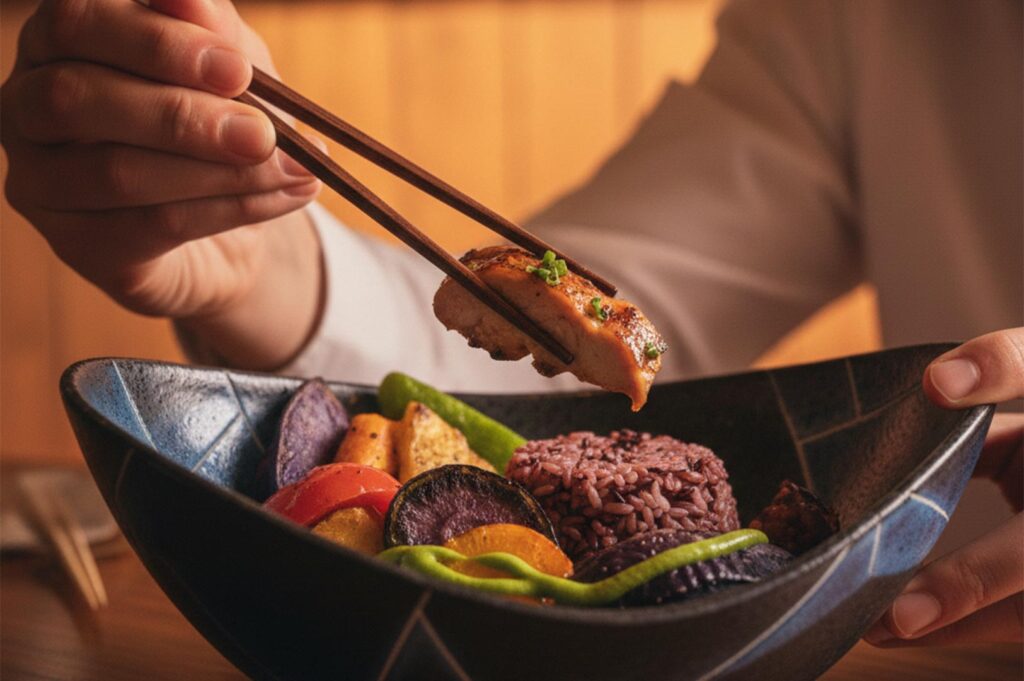
Innovation does not mean abandoning tradition. In fact, the most successful Japanese dining concepts in the future will be those that respect the past while embracing the new. This might mean using modern techniques to enhance a traditional flavour profile or finding new ways to present a classic dish.
As the local scene evolves, it becomes clear that these foundational elements are what keep us coming back; it’s a theme we dive deeper into in our piece on Why Authentic Japanese Dining Experiences Matter in Singapore.
For instance, the use of chopsticks to navigate a bowl of tender chicken and large pieces of vegetables remains a tactile connection to Japanese culture. Even as we look toward the future, these small rituals are essential. They ground the dining experience and ensure that the innovation remains respectful of its origins.
Adapting to the Needs of the Modern Diner
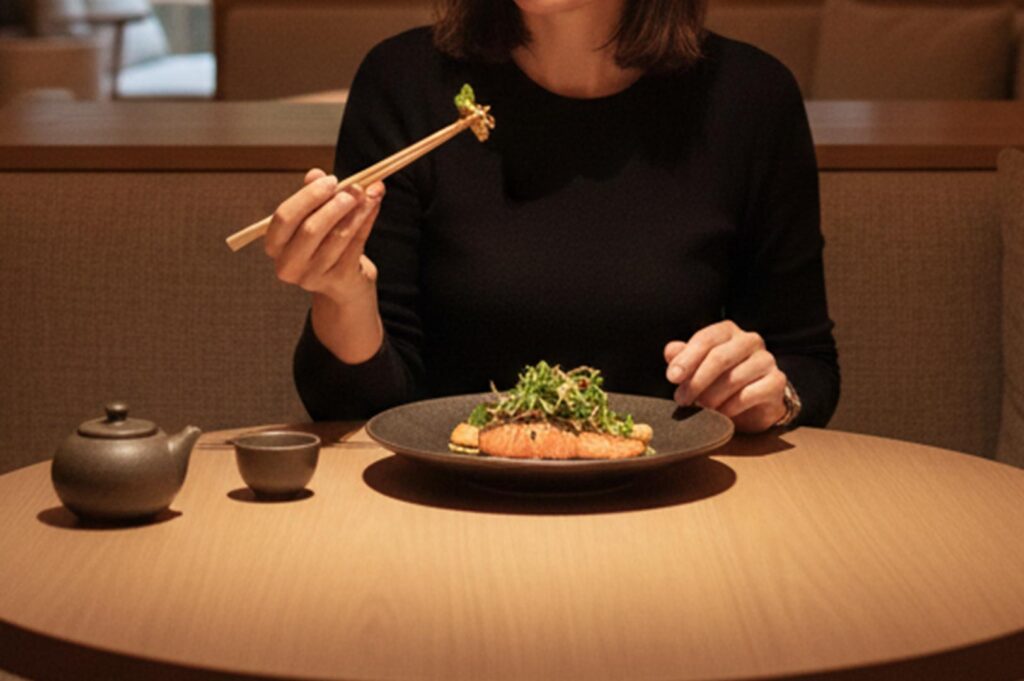
In a fast-paced city like Singapore, convenience is often a factor, but it should never come at the expense of quality. The future belongs to restaurants that can offer a high-quality, authentic meal in a way that fits into a busy lifestyle. This might involve streamlined ordering processes or offering a unique dining experience that feels like a getaway from the daily grind.
We have found that diners in many countries, but especially in Singapore, value a space that feels like a sanctuary. A place where they can slow down and truly savor the flavors of a well-crafted dish. This is why the atmosphere of a restaurant is just as important as the food itself. A warm, inviting environment encourages guests to relax and engage with the cuisine on a deeper level.
The Global Influence on Japanese Flavors
While we focus on regional authenticity, we cannot ignore the fusion of ideas that happens in a global hub like Singapore. The history of Japanese food is one of adaptation and growth. Even within Japan, dishes have evolved over time due to international influences.
In Singapore, this means being open to how our local delights and preferences might subtly influence the way we appreciate Japanese cuisine. It is not about changing the recipes, but about understanding the context in which they are served. When we serve a soup that is both spicy and aromatic, it resonates with the local palate’s love for bold flavors while remaining true to its Sapporo origins.
A Bright Future for Regional Japanese Cuisine
The future of Japanese dining in Singapore is incredibly bright. As we move away from generic menus and embrace the specific, regional flavors that make Japan so unique, we open up a world of possibilities for diners. From the hearty, vegetable-rich bowls of Hokkaido to the refined seafood of other coastal prefectures, there is so much more to discover.
At Soup Curry by Ki-Setsu, we are proud to be part of this movement. We believe that by staying true to the tradition of authentic Hokkaido soup curry, we are providing a unique dining experience that stands out in the vibrant landscape of dining in Singapore.
The future of Japanese food is here, and it is more regional, authentic, and delicious than ever before. Do not miss the opportunity to explore these unique dining experiences as they continue to reshape our city’s culinary map.