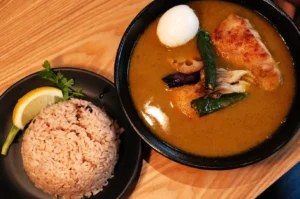
As the sun sets over the Singapore skyline, the city’s energy shifts from the boardroom to the warm glow of the evening table. For many young professionals, the corporate world can feel like an endless cycle of work hours. However, a quiet revolution is changing how we transition from the office to our personal lives. We are witnessing a shift toward a Japanese after work philosophy that values connection over obligation and comfort over formality.
The revival of the izakaya spirit offers a blueprint for enhancing job satisfaction and well being. At Soup Curry by Ki-Setsu, we believe the evening meal should be an anchor for the community. The izakaya, where people gather to drink alcohol and talk freely, is being reimagined for a generation seeking better work life balance. This is about reclaiming personal time in a world fragmented by remote work and digital noise.
The Evolution of Japanese After-Work Culture
To understand the current revival, we must look at how the Japanese after work landscape has shifted over the decades. In the past, specifically during the bubble era of the late 1980s, the after work culture in Japan was defined by the nomikai. These were often forced social gatherings where employees were expected to attend long, alcohol-fuelled drinking parties with their boss and other members of the company. To miss a year party or a Friday night was seen as a lack of loyalty to the organizations.
For previous generations, the line between the workplace and personal lives was often blurred. The last train was the only acceptable reason to leave, and socializing was frequently an extension of the job. However, younger employees today, particularly Gen Z, view these traditions with a critical eye. They prefer to keep their personal time separate from their professional obligations. They value their free time and are less likely to engage in social events that feel like mandatory work activities.
We have observed that this does not mean young workers want to be isolated. On the contrary, they crave a deeper level of connection but in a more relaxed setting. The modern Japanese after work experience is moving away from the large, rowdy company parties of the past. Instead, it is shifting toward smaller groups and more intimate social activities that happen in an informal setting. This is where the soul of the izakaya lives. It is a space where colleagues can become friends and where small talk leads to genuine exchange ideas.
Why Company Culture Needs an Izakaya Soul
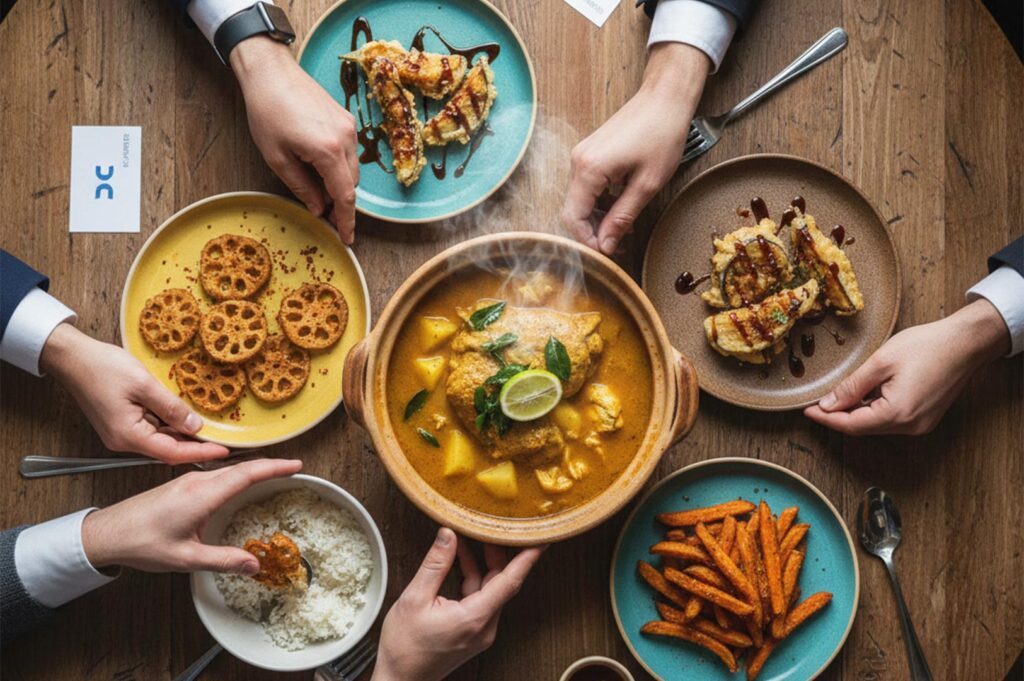
A healthy company culture is no longer built solely within the four walls of an office. The most successful organizations recognise that team building happens most naturally when people feel connected on a human level. When a team gathers in a relaxed setting to share a meal, the power dynamics of the corporate world begin to soften, which is essential for preventing high turnover and fostering a sense of community within the workplace culture.
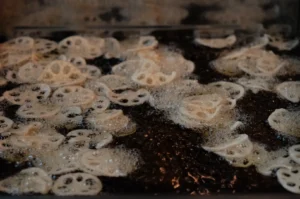
Traditional after work events can sometimes feel clinical or forced, especially when they are labelled as “mandatory fun.” In contrast, an izakaya-style atmosphere encourages organic interaction. When sharing a bowl of aromatic soup curry or passing around plates of vibrant, deep-fried vegetables like lotus root and aubergine, the conversation flows differently. You are not just coworkers discussing a project. You are people sharing a sensory experience.
This shift is crucial for young professionals looking for more than just a paycheck. They want a work culture that respects their well being and offers social benefits without encroaching on their private personal time. By embracing a more flexible approach to after work culture, companies can create an environment where employees actually want to spend time together. It becomes an invitation rather than an obligation.
The Role of Food in Japanese After-Work Culture
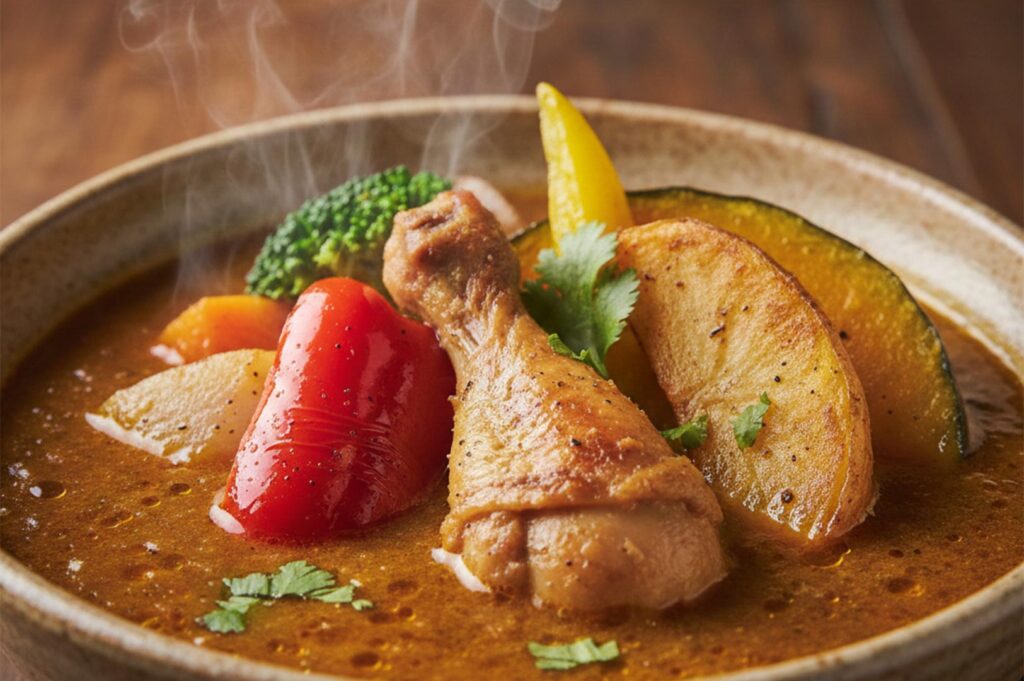
In Sapporo, soup curry is celebrated as “soul food,” a nourishing dish that warms the spirit. When we established Soup Curry by Ki-Setsu, we aimed to provide a sanctuary for those looking to unwind. Within Japanese after work culture, the culinary experience is now as vital as the drinks. While many still enjoy a cold beer, the focus has shifted toward high-quality food that makes a person feel truly cared for.
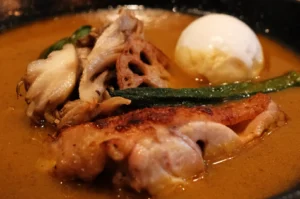
Unlike typical curry restaurants, our Hokkaido style is light yet complex, featuring an aromatic broth that requires immense precision to create. For a worker who has spent eight hours at a screen, a bowl filled with tender chicken and vibrant vegetables like bell pepper and potato serves as an immediate stress-reliever. It is a prime example of how a meal becomes a form of self-care.
We often welcome young professionals after their work hours who come to sit at the counter for personal time or gather at tables with coworkers. This izakaya-inspired atmosphere is beautiful because it accommodates both. It is a space where you can talk and socialize or simply soak in the community vibe while you eat. This flexibility makes the modern Japanese after work experience deeply appealing in Singapore.
Navigating Socializing Without the Pressure
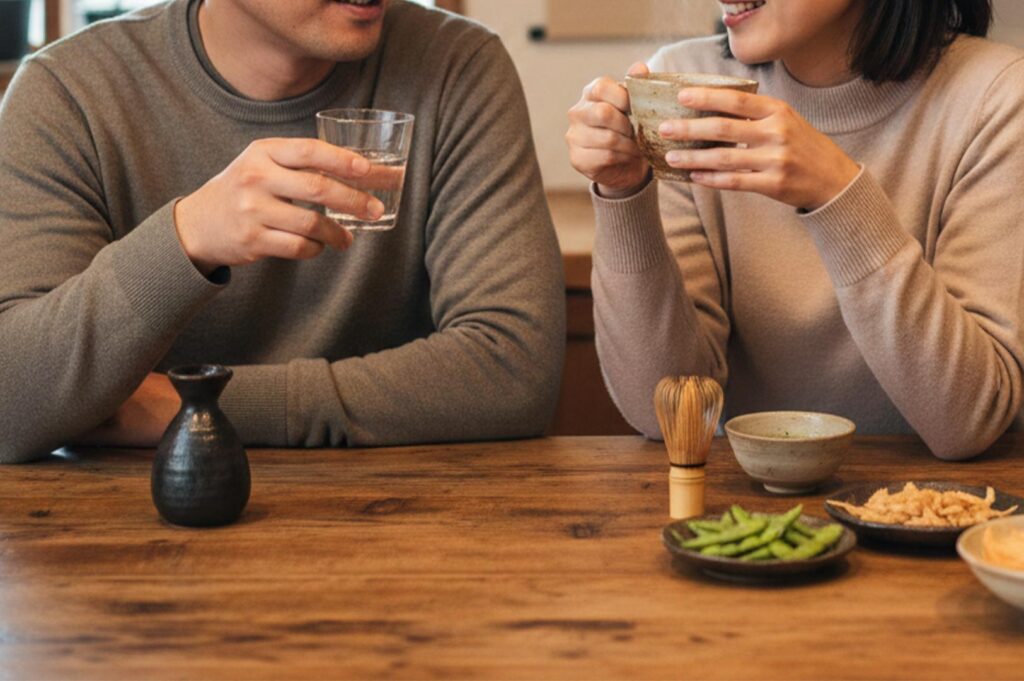
A major shift in after work culture is the changing attitude toward alcohol. While previous generations once saw heavy drinking as a career requirement, Gen Z and younger employees often prefer to drink less. The modern Japanese after work scene has adapted, prioritising the quality of socializing over the volume of the drink.
This is why the informal setting of an izakaya remains so resilient. It is not a bar designed for intoxication, but a dining house where the goal is to feel connected. Whether enjoying sake or tea, removing the pressure to perform improves the quality of small talk. In this environment, coworkers exchange ideas freely, leading to more authentic team building than any structured activity.
Without a social outlet, workplace culture can feel worse. We need social activities to recharge, yet these events should never feel like they are stealing your free time. By focusing on smaller groups and comfort, we create a space where job satisfaction grows through quality over quantity.
Reclaiming the Evening: The New Workplace Culture
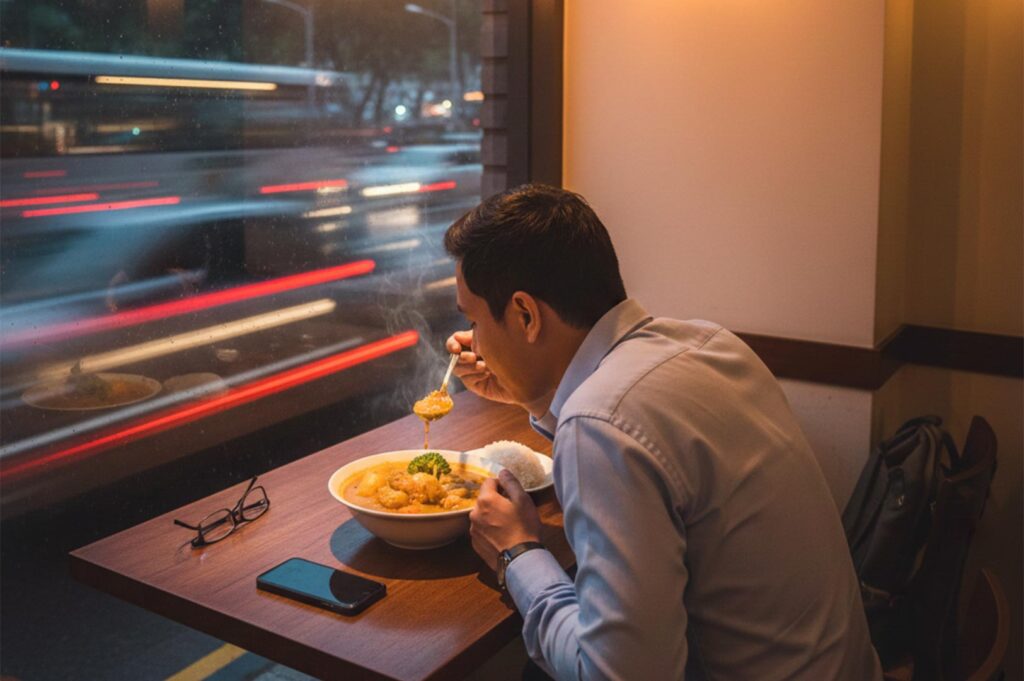
As remote work becomes common, the office is no longer the sole hub of company culture, making after work events vital for team members to build rapport in person. However, the old model of drinking parties lasting until the last train is no longer desired. Modern workplace culture thrives on intentionality: choosing to spend free time with colleagues because you genuinely enjoy their company.
In Singapore’s intense corporate world, finding a relaxed setting to decompress is essential for well being. Whether it is a midweek happy hour or a quick dinner, these moments of Japanese after work connection help humanize the professional experience. We believe providing this atmosphere is a service to the community. Seeing workers arrive in office attire and unwind with their first sip of soup curry shows we help them transition from their job to their personal lives with peace. This is true work life balance: it is not just about hours at a desk, but how you spend your personal time and with whom.
Breaking the Cycle of High Turnover Through Community
In many industries, high turnover remains a persistent challenge, often stemming not just from salary or work hours but from a lack of belonging. When employees feel like mere cogs in the company machine, they are more likely to leave. Fostering a strong work culture with meaningful social events helps build loyalty and a shared sense of purpose. The izakaya revival addresses this need by offering a space where Gen Z and young professionals can enjoy the social benefits they seek without the burdens of past traditions. By emphasizing food, a relaxed setting, and genuine connection, the Japanese after work style is gaining popularity in Singapore as a bridge between office demands and personal time.
We invite everyone to experience this new approach. Whether creating a fresh tradition with your team or seeking a quiet evening away from corporate noise, this space welcomes you. In the warmth of a Hokkaido-inspired kitchen, time slows just enough to remind us what truly matters, providing a much-needed sanctuary amid the fast pace of the world.
The shift from a high-pressure workplace to a peaceful night is a daily ritual that merits true intention. Within Singapore, the Japanese after work movement has evolved beyond a mere trend. It serves as a vital reminder that our identities extend far beyond our professional titles. As we navigate the complexities of modern work culture, it becomes essential to prioritise well being, respect personal time, and nurture authentic connections with colleagues. By introducing the soul food of Hokkaido to the city, we aim to foster a healthier, more balanced workplace culture for all.
The next time you finish your work hours, consider how you want to spend your evening. Instead of rushing home or staying late at the office, seek out a relaxed setting. Gather a few friends or coworkers, share a meal crafted with heart, and let the stresses of the day melt away. This is the essence of the izakaya revival, a tradition we are proud to share with Singapore.