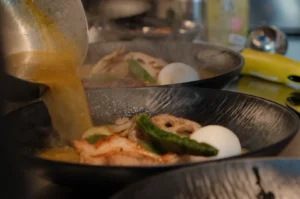
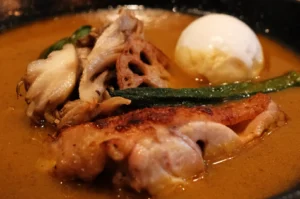
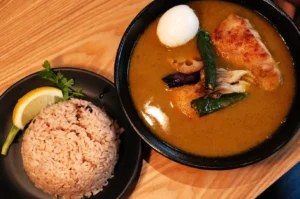
When you step into the world of Japanese comfort food, few dishes possess the adaptability and culinary imagination of Hokkaido soup curry. Born in the vibrant neighborhood kitchens of Sapporo during the early 1970s, this northern icon was created as an open-minded fusion of medicinal spices, rich broth, and fresh local produce. Unlike traditional culinary traditions that adhere to rigid, unyielding rules, soup curry has always celebrated creativity. It is a dish that invites you to gaze into the bowl and ask a simple, exciting question: what if we took this northern soul food on a journey around the globe?
At Soup Curry by Ki-Setsu, we are endlessly inspired by the versatility of this dish. While our hearts remain fiercely committed to authentic Hokkaido preparation methods, imagining global toppings within a soup curry framework reveals just how universal the dish really is. A light, perfectly spiced broth acts as a master key, capable of unlocking and harmonising flavours from almost any culinary culture on Earth. By examining how international ingredients could interact with traditional northern techniques, we gain an even deeper appreciation for the genius behind this beloved Japanese classic.
The Universal Canvas: Why the Broth Welcomes Global Flavours
To understand why global toppings work so effortlessly in theory, one must look at the unique structural nature of the dish. Typical curry restaurants across Japan serve a version of curry that is dense, sweet, and heavily reliant on a wheat-flour roux. That thick gravy tends to overpower subtle ingredients, forcing every topping to conform to its heavy, uniform flavour profile.
In contrast, our northern specialty relies on a light curry-flavoured soup base made with chicken broth, curry powder, and garam masala. Because this fluid foundation is clear, drinkable, and balanced, it functions like a well-tuned stage rather than a blanket. The broth carries complex aromatics, such as cumin, cardamom, and bay leaf, bloomed carefully in warm oil to release their fat-soluble essences. This lightness creates an welcoming environment where ingredients from Mediterranean, Latin American, or Middle Eastern traditions could sit without losing their individual identities. The broth does not smother toppings, it elevates them, carrying their unique natural juices straight to the palate with every spoonful.
Reimagining Global Produce Through the Traditional Su-Age Method
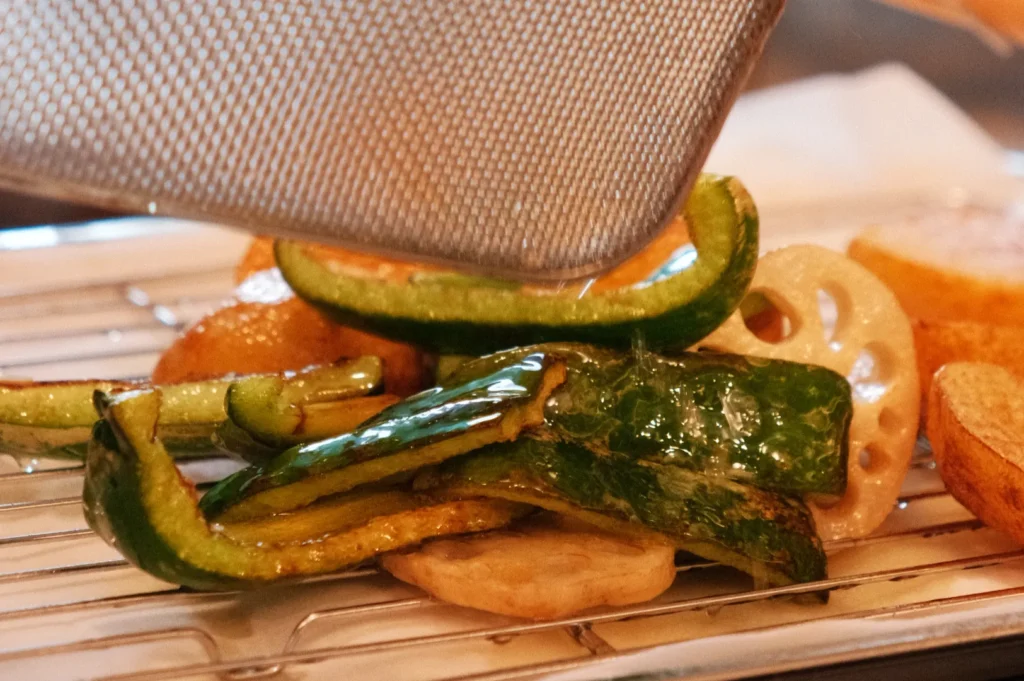
One of the most defining characteristics of authentic Sapporo soul food is how vegetables are treated. Rather than boiling produce directly in the soup until soft, traditional technique dictates using the su-age method, where ingredients are flash-fried without batter or flour. This process seals in natural moisture, caramelises natural sugars, and preserves structural crispness.
If we were to apply this specialized technique to global produce, the possibilities would be breathtaking:
- Mediterranean Artichoke Hearts and Zucchini: Flash-fried using traditional Japanese cutting methods, the tender leaves of an artichoke or the charred skin of a green zucchini would hold their crisp texture beautifully against the warm, spiced liquid.
- Latin American Sweet Plantains: Deep-fried until golden, the rich caramelised sweetness of ripe plantain slices would provide a brilliant counterpoint to the savory umami of the chicken stock.
- Southeast Asian Baby Corn and Okra: Flash-frying okra removes its viscous texture while intensifying its earthy crunch, allowing it to absorb just the right amount of soup when dipped.
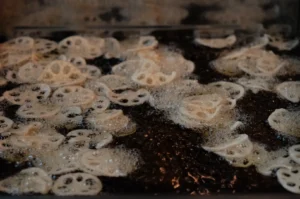
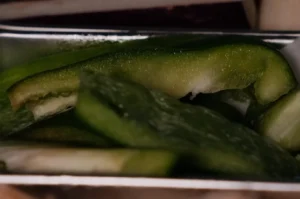
In our establishment, we apply this exact su-age philosophy to a vibrant mix of deep-fried vegetables, including bell pepper, lotus root, aubergine, and potato. These vegetables sit proudly on the surface of the soup, keeping their crunch intact. Seeing how well this method works for traditional produce proves that flash-frying can transform almost any vegetable from around the world into a hero topping.
World Protein Traditions Floating in a Spiced Northern Broth
Protein selection is another arena where global imagination thrives. The traditional bowl is anchored by exceptionally tender chicken thighs and legs, slow-cooked until the meat falls gently away from the bone at the touch of a spoon. However, the multi-layered warmth of a spiced chicken broth could easily accommodate protein traditions from across the globe.
Imagine placing a piece of classic French duck confit into the aromatic soup, where the crispy skin stays taut above the liquid while the rich duck fat infuses the curry broth with luxurious depth. Consider Middle Eastern spiced lamb koftas, where coriander and mint within the meat mesh seamlessly with the garam masala in the soup base. Or picture Spanish slow-braised Iberian pork belly, melting slowly into the broth to release rich pockets of savory richness. Because the liquid base is light rather than heavy, these global proteins would enrich the broth without turning the meal into a dense, overwhelming experience.
The Global "Dip and Sip" Ritual: Uniting Flavours at the Table
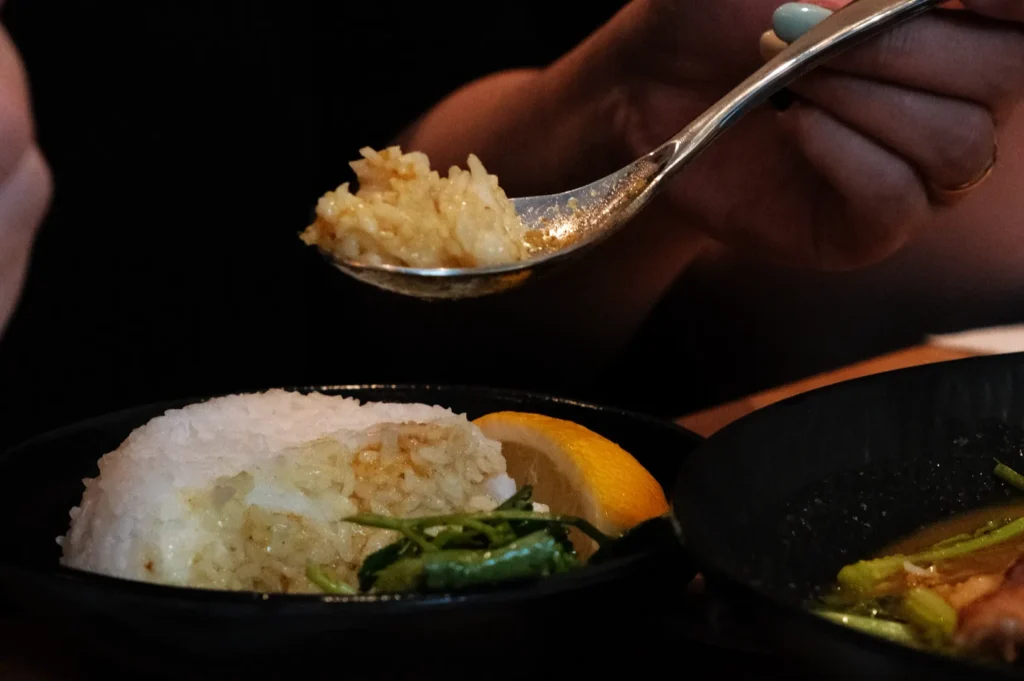
Introducing global toppings into soup curry does not mean changing how the dish is enjoyed. In fact, the traditional eating ritual is what makes an international variation so rewarding. In our dining place, we always advocate for the authentic “dip and sip” method practiced by locals in Sapporo.
The rice and the soup curry are served on completely separate plates. To eat, you take a spoonful of fluffy, steamed Japanese short grain rice, dip it halfway into the aromatic broth for a brief moment, and enjoy it alongside a bite of your chosen topping. This interactive process keeps every bite fresh. Whether you are sampling a piece of flash-fried lotus root or an exotic international topping, the ritual encourages you to pause, notice the interplay of textures, and savor how the spiced liquid brings everything together.
As daylight fades and our space transforms into a cosy izakaya-style atmosphere after 6 PM, this unhurried way of eating becomes the ultimate catalyst for conversation. Sharing a meal built around interactive discovery and warming spices creates an atmosphere of warmth and relaxation that brings people closer together, no matter where their favorite flavours originated.
Rooted in Sapporo Tradition at Soup Curry by Ki-Setsu
While dreaming about global ingredient pairings is a wonderful culinary exercise, the true magic of this dish will always lie in the integrity of its core foundation. No matter how creative or exotic the toppings may be, a bowl of soup curry is only as good as the broth beneath it. Without a slow-simmered stock, precisely bloomed spices, and respect for traditional Japanese cooking methods, even the finest international ingredients would feel disconnected.
At Soup Curry by Ki-Setsu, we are deeply dedicated to preserving the soul of authentic Hokkaido soup curry right here in Singapore. We pour our passion into every step of our broth preparation, ensuring that our guests experience the genuine warmth, balance, and restorative comfort that made Sapporo famous. We celebrate the spirit of culinary curiosity while holding fast to the timeless techniques that make northern soul food so unforgettable.
We’re open daily, 11:30 AM to 10:00 PM. Lunch is walk-in only, no planning required. Dinner reservations are available for the 6:30 PM seating, with tables held for fifteen minutes before we carry on. Whether you’ve spent a lifetime eating soup curry or this is your very first bowl, pull up a chair. The broth will do the rest.