Ask ten people in Singapore what Japanese comfort food means and you will likely get ten different answers. Some will say ramen, steaming and rich. Others will point to sushi, precise and delicate. A few might mention curry rice, thick and warming, or a quiet bowl of miso soup at the end of a long day. The truth is that Japanese comfort food in Singapore has never been one dish. It is a feeling, and it shows up differently depending on where you are sitting and what kind of day you have had.
This is the question we find ourselves returning to often. What actually qualifies as comfort, and why do certain Japanese dishes earn that title while others, however popular, do not? Among these, the Sapporo soup curry stands out as a unique comfort food, bringing a distinct warmth and depth that resonates deeply with many.
Beyond Sushi and Ramen: Redefining Japanese Cuisine in Singapore
Japanese cuisine in Singapore has grown so far beyond its early reputation that it can be hard to pin down what represents it best. Walk through Tanjong Pagar or Holland Village and you will find everything from Michelin starred omakase counters to unassuming shops serving dry ramen and udon. Each has its place, but not every plate of Japanese food is comfort food in the truest sense.
Comfort food carries a different weight. It is not about technical precision or rare cuts of fish, though those have their own appeal. It is about the dishes that Japanese cuisine offers when someone simply wants to feel looked after. That distinction matters, especially in a city like Singapore where Japanese restaurants now range from high concept dining rooms to modest neighbourhood spots.
Where Japanese Food Meets What Diners Seeking Comfort Actually Want
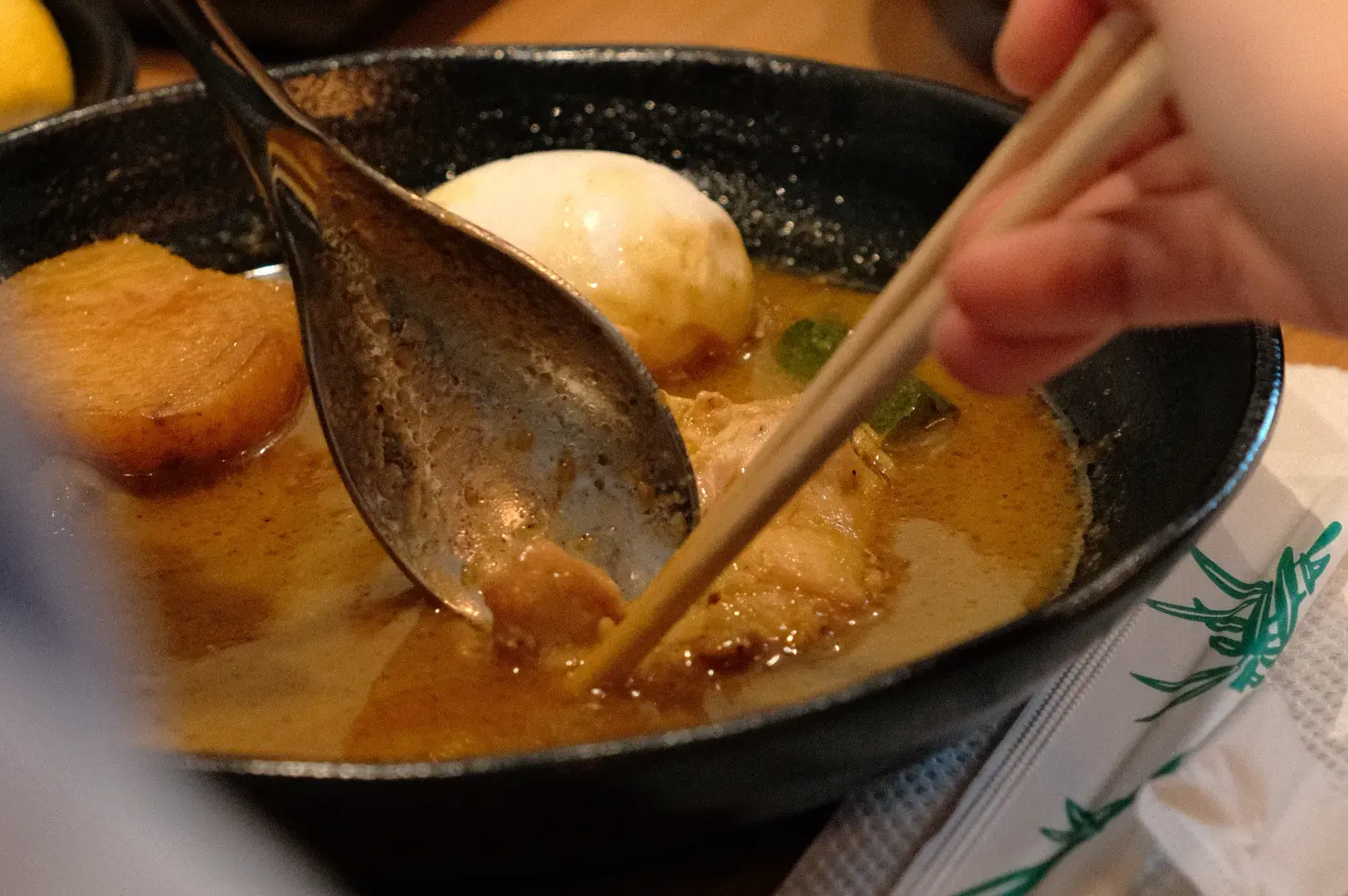
There is a particular kind of Japanese food that diners seeking comfort gravitate towards, and it rarely involves a long tasting menu. It is often a single quiet bowl, something warm enough to hold in both hands. Think of a bowl of soup curry on a rainy evening, or grilled dishes served simply with rice and pickles.
We have noticed that guests who come in after a difficult day rarely ask for the most elaborate item on the menu. They want something that reminds them of being cared for, whether that is a rich broth, tender vegetables, or a curry that has been simmered slowly rather than rushed. This is the version of Japanese food that comfort is actually built on, not the version built for photographs.
Japanese Restaurants Singaporeans Keep Returning To
Singapore is full of Japanese restaurants, but only a handful earn repeat visits from the same regulars week after week. These are usually not the flashiest spots. They tend to sit tucked into older malls and side streets, the kind of places that reward familiarity over novelty.
Familiar Corners, from Cuppage Plaza to Far East Plaza
Cuppage Plaza has quietly become one of the more concentrated pockets for Japanese dining in Singapore, home to everything from sushi counters to smaller family run kitchens. Nearby, Far East Plaza and International Plaza carry their own scattering of Japanese food, often unassuming from the outside but deeply loved by those who know where to look.
Beloved names have built loyal followings in these pockets, alongside newer additions closer to Ngee Ann City and Mandarin Gallery. Even further out, Thomson Plaza has its own quiet cluster of Japanese eateries serving residents who want comfort without travelling into town. What ties these spots together is not prestige. It is consistency, the kind that makes a dish taste the same, and just as comforting, on the fiftieth visit as it did on the first.
The Japanese Dishes That Feel Like a Hug
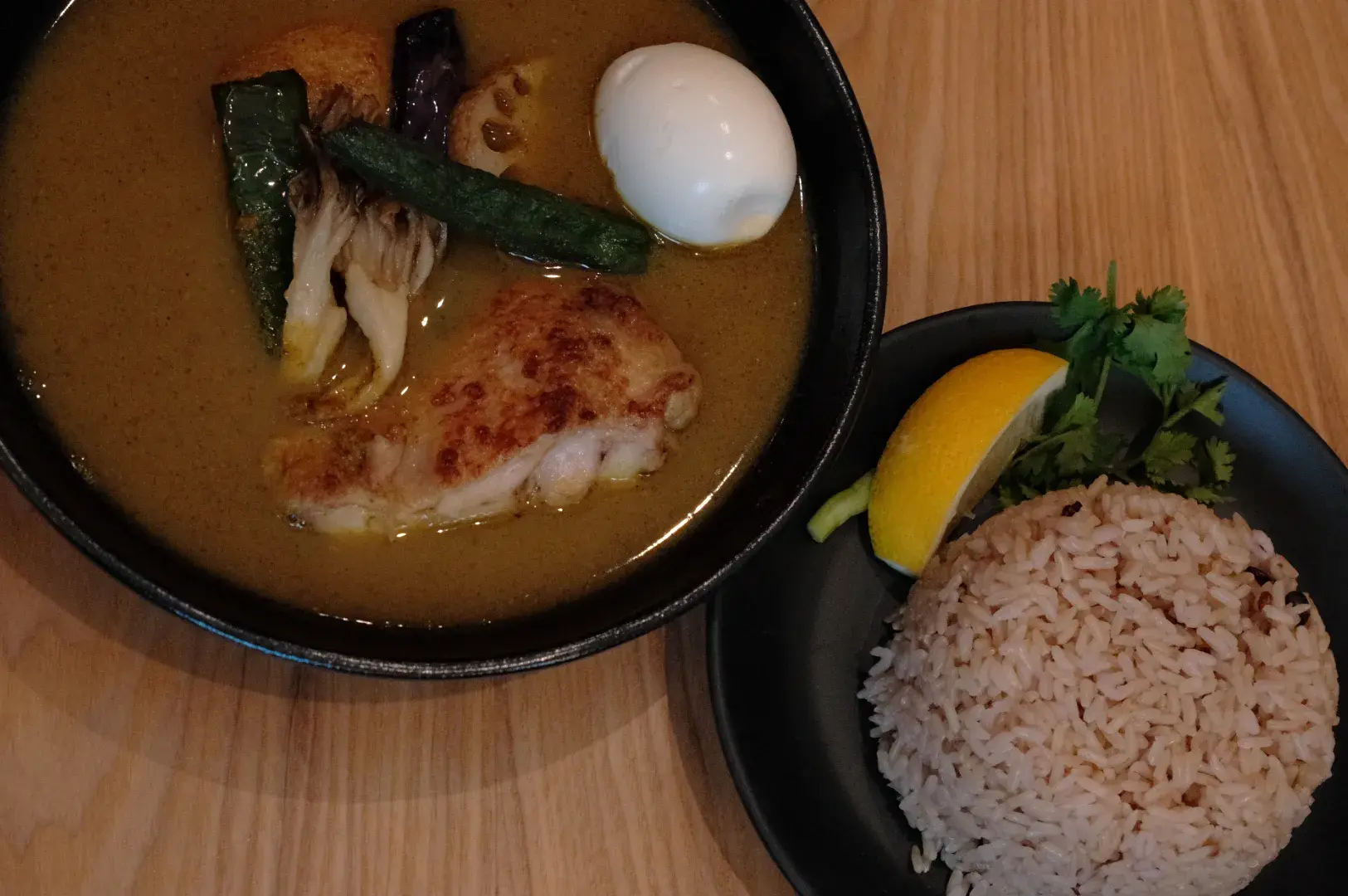
Not every dish on a Japanese menu is designed to comfort. Some are designed to impress. But a specific handful of Japanese dishes consistently show up when people describe what they crave on a hard day.
Katsu don, with its softly set egg and crumbed cutlet resting over rice, is one.
Tender chashu pork, slow braised until it nearly falls apart, is another.
Curry rice belongs firmly on this list too, its thick, spiced sauce clinging to every grain.
Fresh sashimi, though associated more with celebration than comfort, has its place when served simply, without ceremony, alongside a warm bowl of rice.
What links these dishes is texture and warmth rather than complexity. They ask little of the diner beyond an appetite and a willingness to slow down.
Miso Soup and the Quiet Art of a Simple Bowl
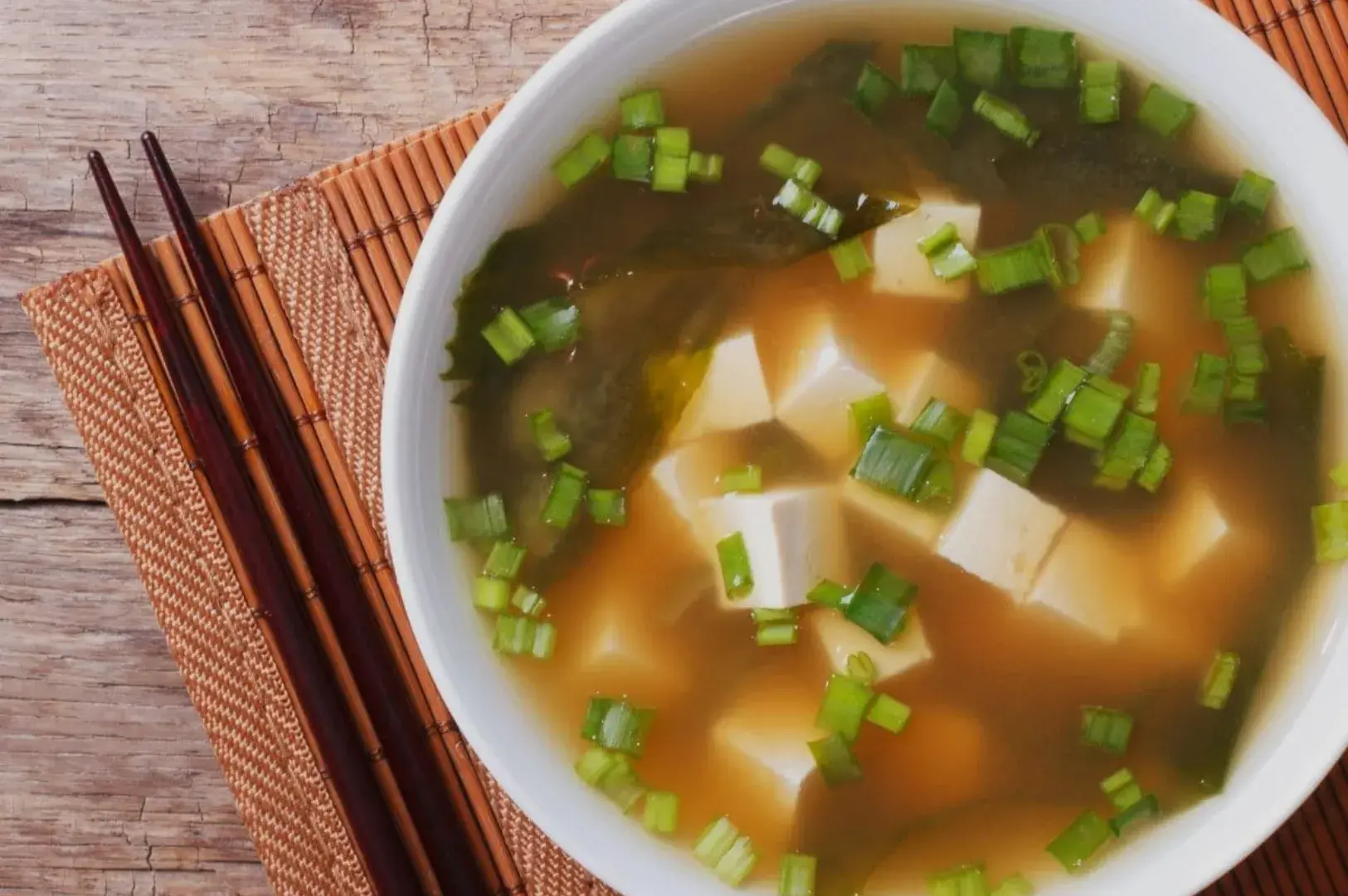
If there is one dish that best represents the quieter side of Japanese comfort food, it is miso soup. It rarely takes centre stage on a menu, yet it is often the first thing people notice when something feels off. A miso soup made with proper dashi broth, rather than a shortcut version, carries a depth that is disproportionate to its simplicity.
We think of miso soup as a kind of test. A restaurant that treats it seriously, rather than as an afterthought, usually treats the rest of its comfort dishes with the same care. It is a small bowl, but it says a great deal about how a kitchen approaches warmth and restraint.
Grilled Dishes and the Comfort of Something Cooked Slowly
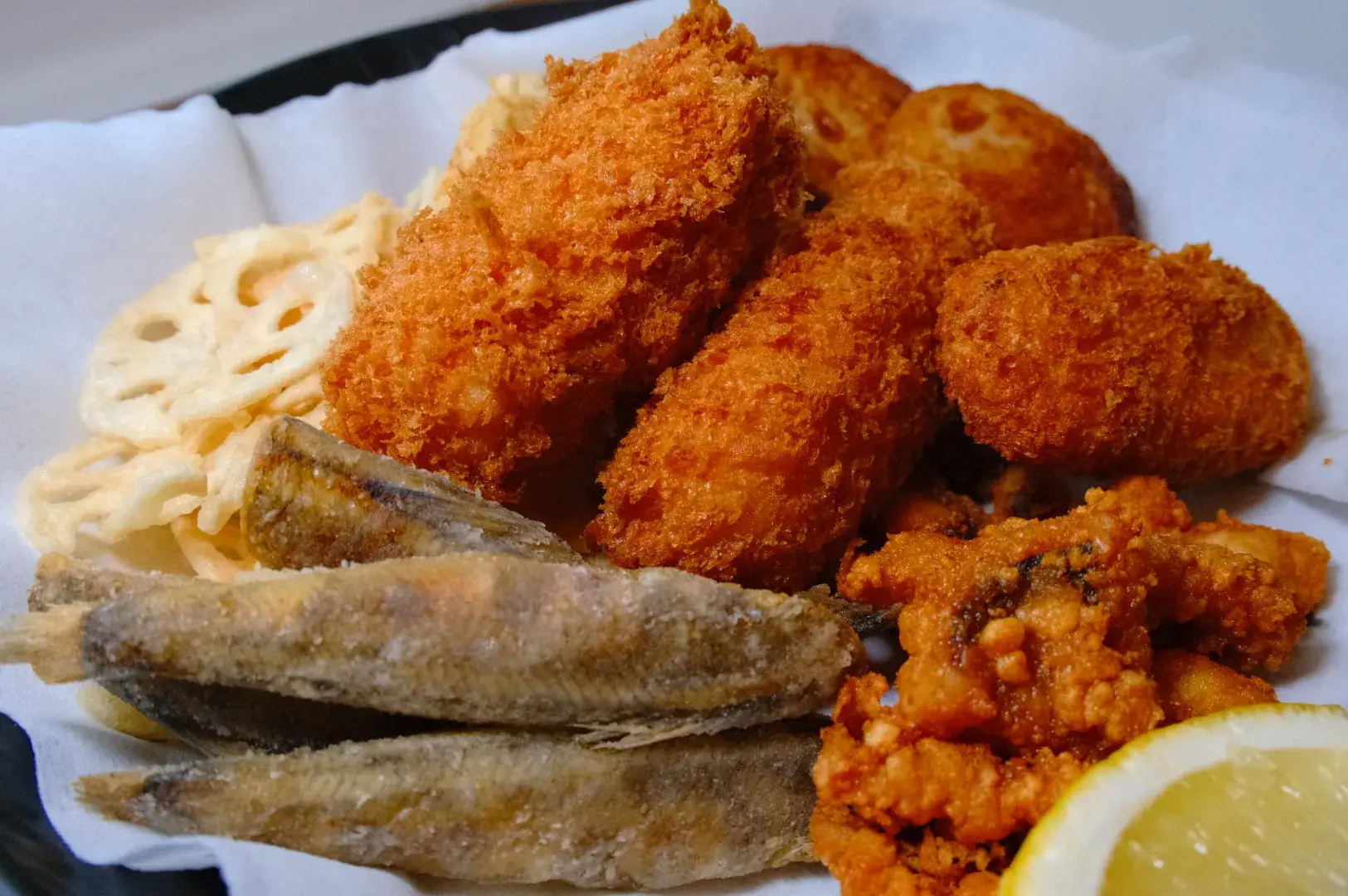
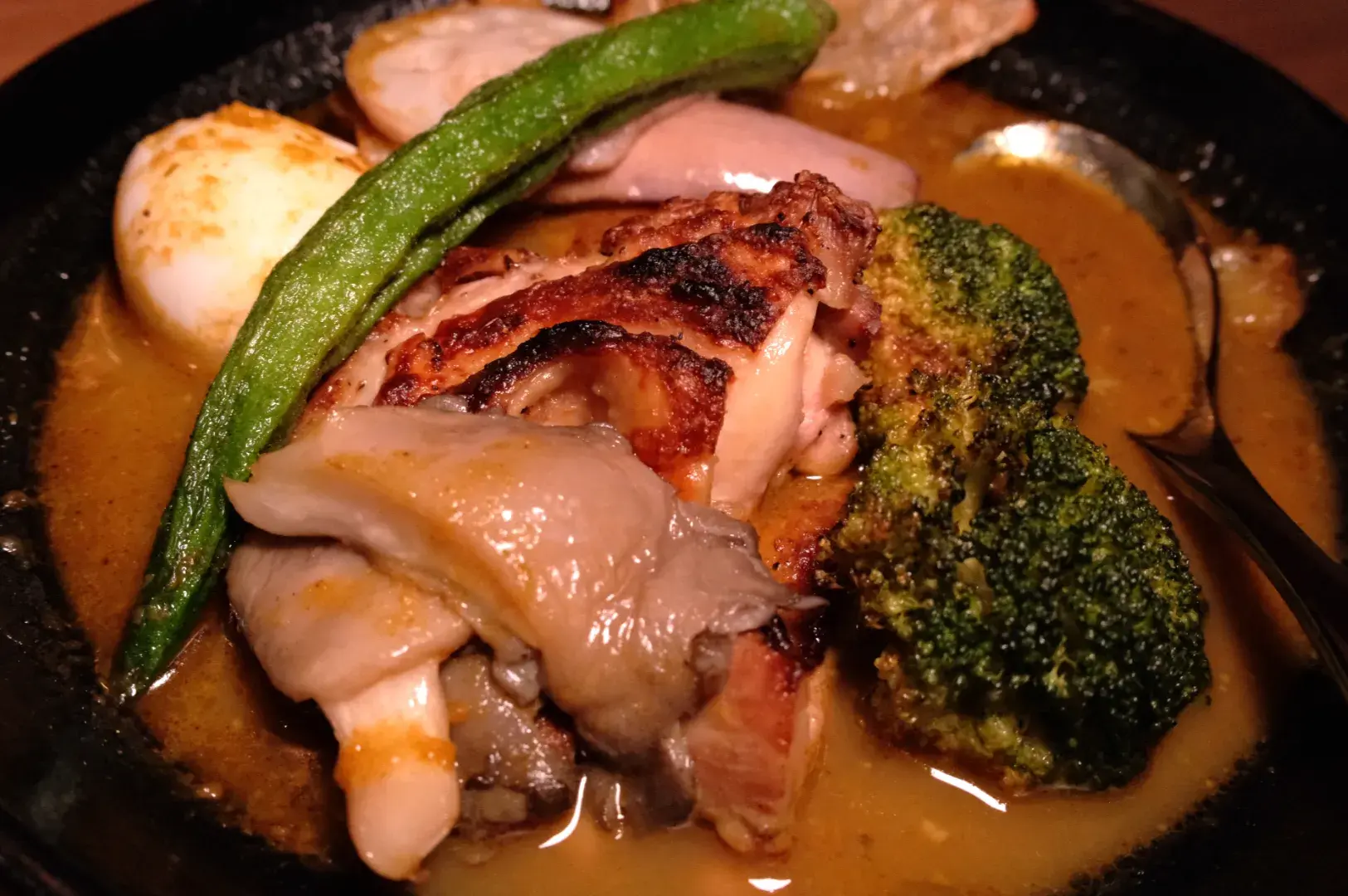
Grilled dishes occupy a different kind of comfort. There is something inherently soothing about food cooked over direct heat, whether it is chicken glazed and charred at the edges or vegetables blistered just enough to bring out their sweetness. Grilled dishes tend to be less about technique and more about patience, letting smoke and heat do the work rather than rushing the process.
In many ways, this mirrors the approach we take with our own vegetables. Deep fried bell pepper, lotus root, aubergine and potato, cut using traditional Japanese methods, are meant to be eaten hot, straight from the pan, with no pretence attached. It is the same philosophy that grilled dishes rely on: simplicity, heat, and timing done properly.
Curry Rice: Singapore’s Adopted Comfort Classic
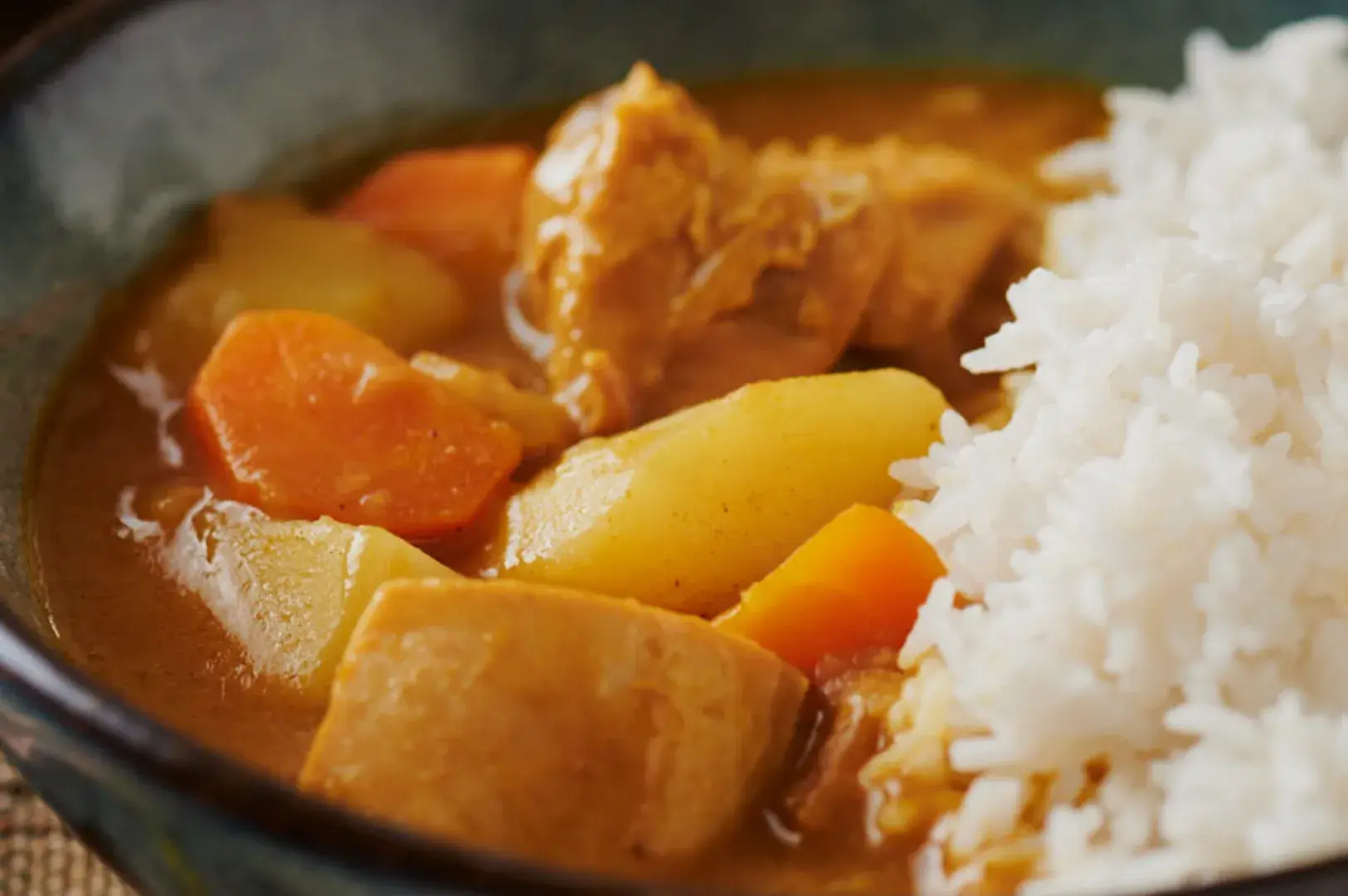
Curry rice deserves its own mention because of how thoroughly it has been adopted into Singapore’s idea of Japanese comfort food. Unlike the more delicate dishes often associated with Japanese cuisine, curry rice is unapologetically hearty. It is thick, often built on a base that has simmered for hours, and served generously over rice rather than portioned with restraint.
Ma Maison helped introduce many Singaporeans to this style of curry rice years ago, and its influence can still be felt in how the dish is understood locally. From there, other establishments have taken curry rice in different directions, some leaning towards a drier, thicker style, others towards something closer to a soup.
Katsu Curry and the Two Paths to the Same Comfort
Katsu curry represents one branch of this tradition, where a crisp cutlet is paired with that same thick curry sauce. It is beloved for good reason. But there is another interpretation of curry rice that leans further into broth, where the curry itself is looser, brighter, and closer in spirit to a soup than a sauce.
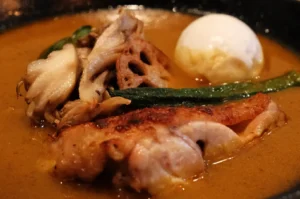
This is the tradition we come from, rooted in Hokkaido, where curry is built as a proper soup rather than a thickened gravy. A splash of chilli oil, layers of vegetables, and a broth that has been coaxed rather than reduced. It sits alongside katsu curry as another valid answer to the same craving, not a replacement for it.
Japanese Dining After Dark: When Comfort Becomes Ritual

Japanese dining changes character once the sun goes down. Lunchtime Japanese food in Singapore tends to be efficient, a quick bowl of ramen or curry rice between meetings. Evenings tell a different story. This is when Japanese dining slows into something closer to ritual, particularly among the Japanese expats who have made Singapore home and who treat dinner as a moment to properly unwind after busy streets and long days.
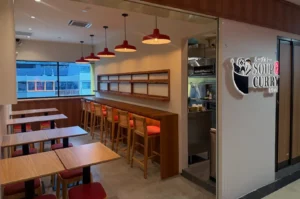
We lean into this shift ourselves, transforming into a cosy izakaya style space from six in the evening. It reflects something true about Japanese culture more broadly, the idea that food in the evening is meant to be lingered over rather than rushed through, shared over conversation rather than eaten alone at a desk.
Fresh Sashimi and the Comfort of Simplicity
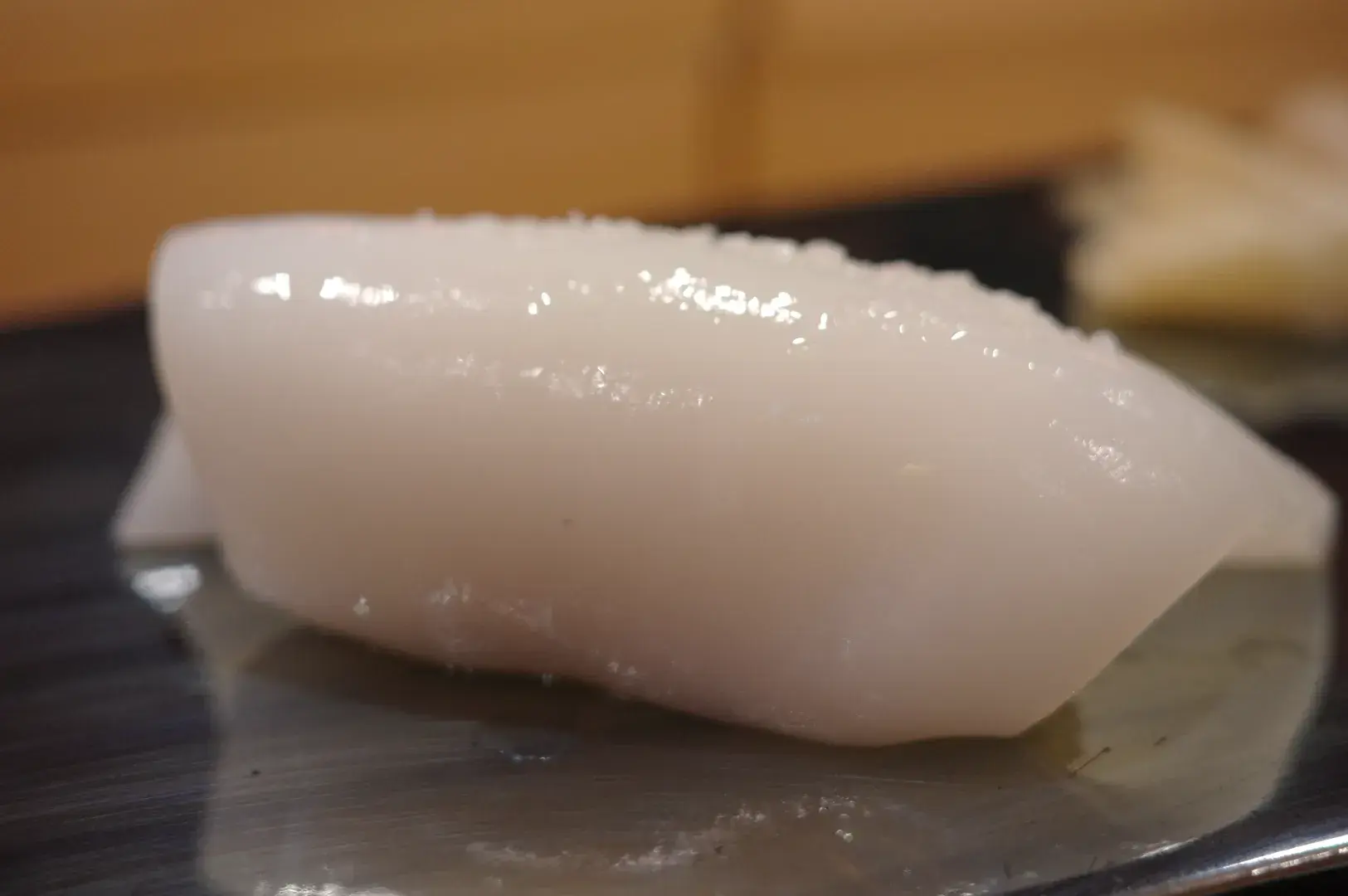
It might seem strange to describe fresh sashimi as comfort food, given its association with special occasions and Michelin starred omakase experiences. But there is a version of sashimi that fits comfortably into this conversation too, one that has little to do with ceremony. A few slices of fresh salmon or seasonal fish, simply served, can offer the same sense of ease as a warm bowl, provided the seafood itself is treated with respect rather than spectacle.
So What Is Japanese Comfort Food in Singapore, Really?
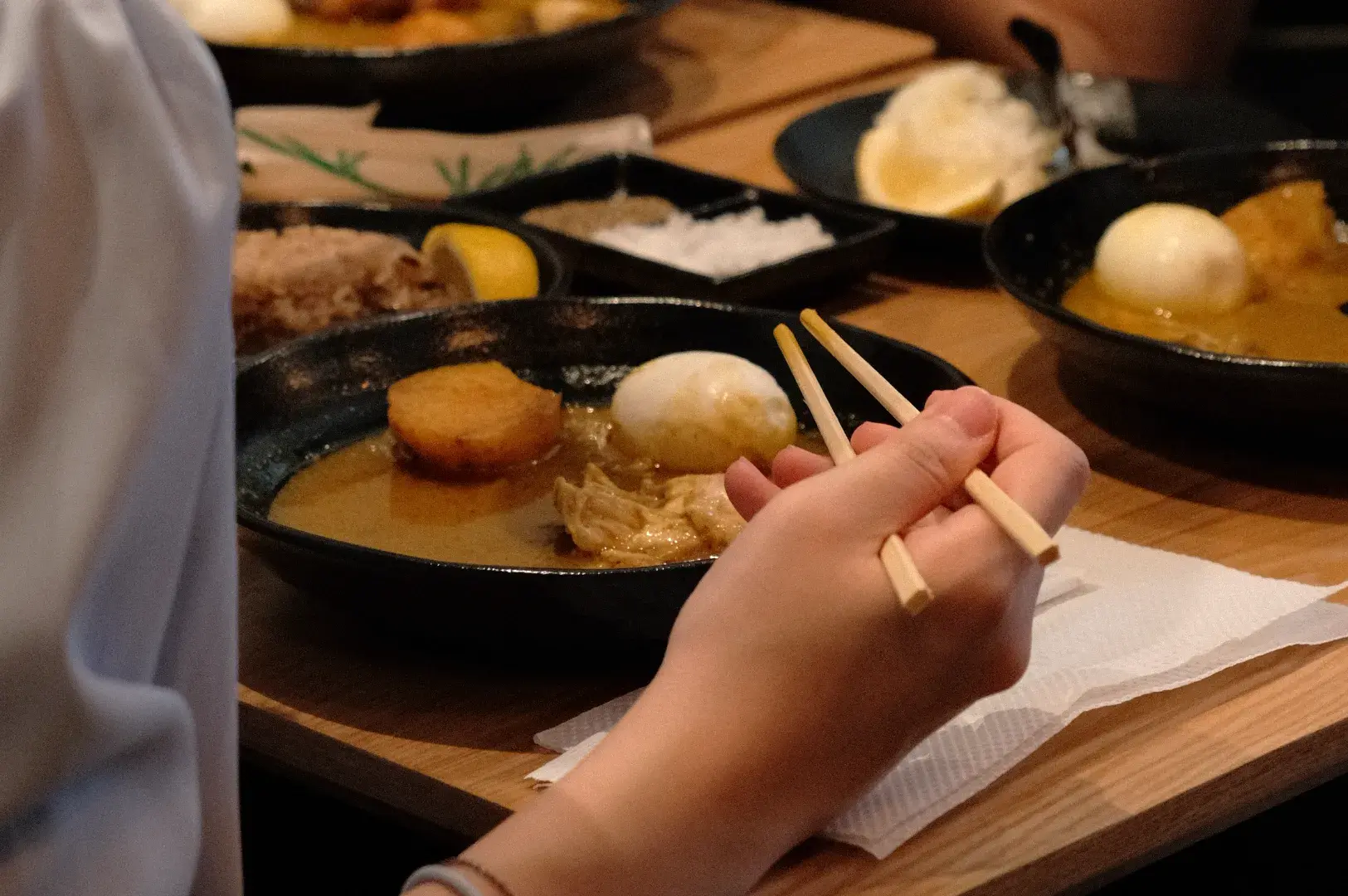
Comfort food, in the end, is not defined by ingredients or technique. It is defined by how a dish makes someone feel once they have finished it. In Singapore, Japanese comfort food takes many forms, from a quiet bowl of miso soup to a plate of grilled dishes shared between friends, from katsu curry to a Hokkaido style soup version built around seasonal vegetables and a broth simmered with patience.
At Soup Curry by Ki-Setsu, we see our own bowl as one honest answer among many, not the only one. What matters most is that Japanese comfort food, wherever you find it across Singapore, still does what comfort food has always done: it slows you down, warms you up, and reminds you that a good meal does not need to be complicated to matter.