Step into any Japanese izakaya on a weekday evening and the first thing you notice is not the food. It is the sound of glasses meeting mid-air, the call of “Kanpai” rolling across the room, and a drink menu that somehow manages to feel both endless and deeply personal. In Japan, what you order to drink is rarely just a beverage choice. It is a small act of etiquette, a signal of mood, and often the opening line of a much longer evening.
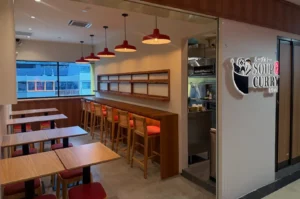
We think about this often, because our own space transforms into a cosy izakaya-style setting once the sun goes down, after a day spent serving Hokkaido soup curry. Watching how guests approach the drink menu, whether they reach for a cold beer without hesitation or pause over the Japanese sake list, tells us a great deal about how deeply the izakaya spirit has travelled beyond Japan.
Why Izakaya Drinks Are the Real Menu at a Japanese Bar
At a typical Japanese bar, the food menu gets all the attention from first-time visitors, but regulars know the truth: the alcoholic drinks selection is where the real character of the establishment lives. Izakaya tend to build their identity around what fills the glass just as much as what fills the plate.
This is because izakaya culture grew out of sake shops that began letting customers drink on the premises, snacking on whatever was easy to prepare. The word izakaya itself is a combination of “sit” and “sake shop”, a small etymological clue that drinking, not dining, was the original point. Food came later, as an accompaniment to keep people comfortable through a longer session at the bar.
That history still shapes the drink menu today. A friendly traditional izakaya will usually open with a short, almost ceremonial question: beer, sake, or something else? The answer sets the tempo for everything that follows.
Reading the Drink Menu Like a Local
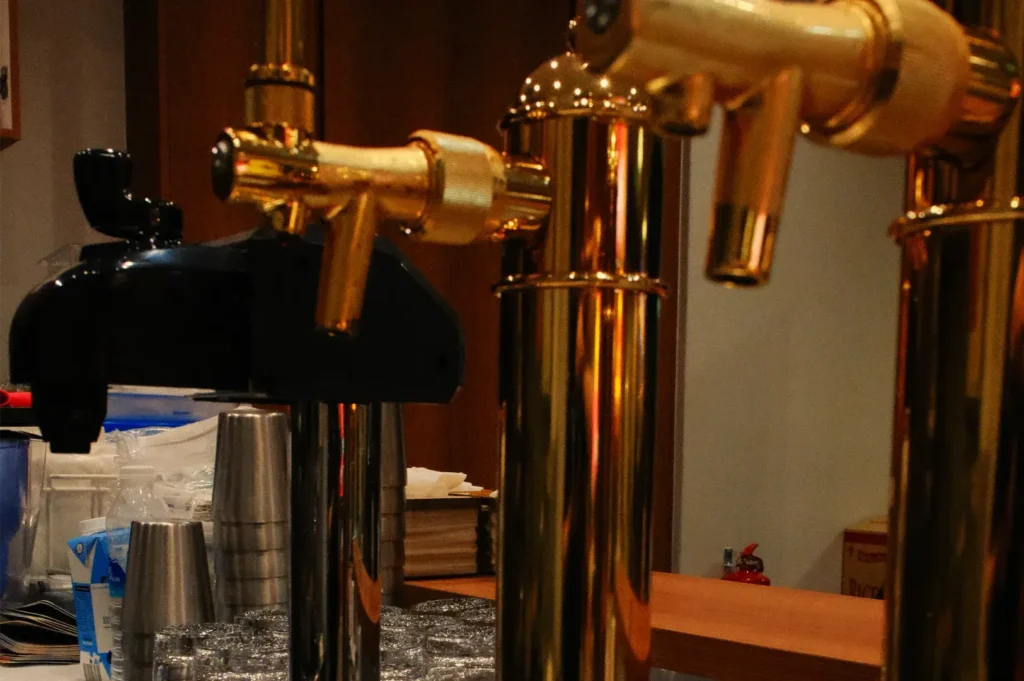
An extensive menu at a proper izakaya is rarely random. It follows a loose but recognisable order, and understanding that order is one of the quickest ways to read the room.
Japanese Beer and the Ritual of the First Kanpai
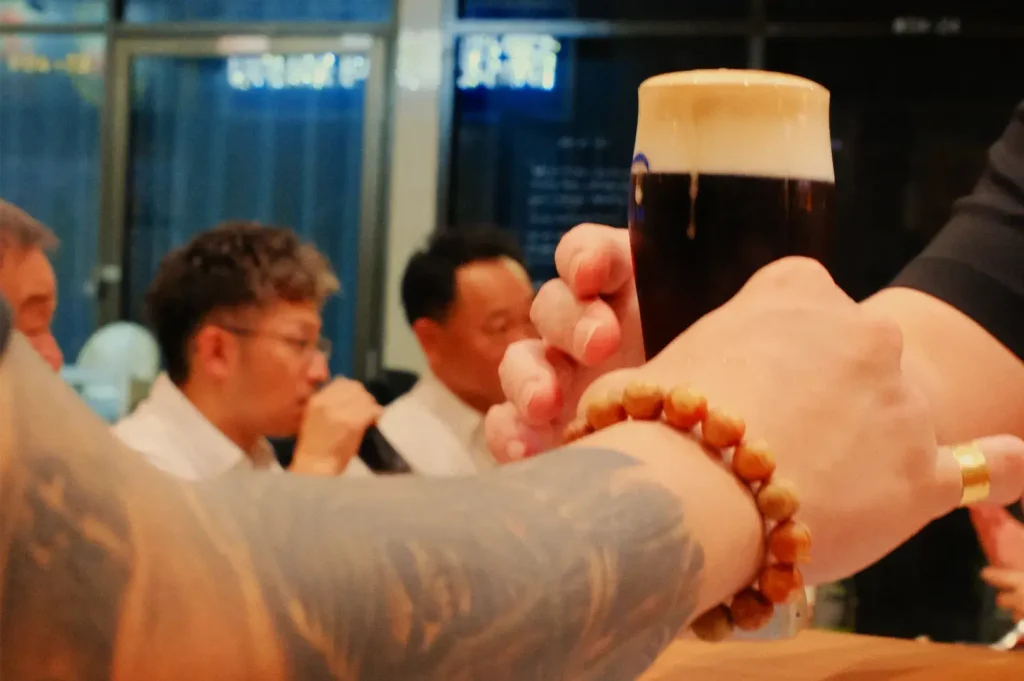
Japanese beer almost always comes first. A cold beer, usually a crisp lager, is the default opening order for a group, and it is considered slightly unusual to order anything else for that first celebratory toast. This is less about flavour preference and more about pace. Beer is quick to pour, easy to share across a table, and forgiving if people are still deciding what to eat.
Once that first round is finished, the table usually fans out into individual preferences, which is where the rest of the drink menu earns its keep.
Craft Beer, Japanese Sake and the Rise of the Extensive Menu
Modern izakaya, particularly in cities like Tokyo and Sapporo, have expanded well beyond a single lager tap. Craft beer has become a genuine category of its own, with small breweries producing everything from citrus-forward pale ales to darker, roastier styles that pair well with grilled dishes. A chain izakaya might stick to two or three mainstream beers, but a public izakaya with ambition will often carry a rotating craft beer selection alongside its regular offerings.
Japanese sake occupies a different emotional register entirely. Where beer is social and immediate, sake invites conversation about origin, rice polishing ratios, and temperature. Many izakaya now present sake almost like a wine list, grouped by region or brewing style, sometimes served from small wooden boxes or even straight from sake barrels for a more theatrical presentation.
Alongside sake, you will often find plum wine for those wanting something sweeter, and imo shochu, a distilled spirit made from sweet potato, for guests who want something stronger without moving into whisky territory. Japanese whisky itself has become a quiet status symbol on many drink menus, poured neat, on the rocks, or as a highball.
For non drinkers, or those pacing themselves, a proper drink menu never treats non alcoholic drinks as an afterthought. Oolong tea, green tea, soda water and various soft drinks are listed with the same care as the alcohol, and ordering a lemon sour with less alcohol or a non alcoholic version is completely normal rather than something that needs explaining.
What a Friendly Traditional Izakaya Teaches You About Grilled Chicken and Shared Plates
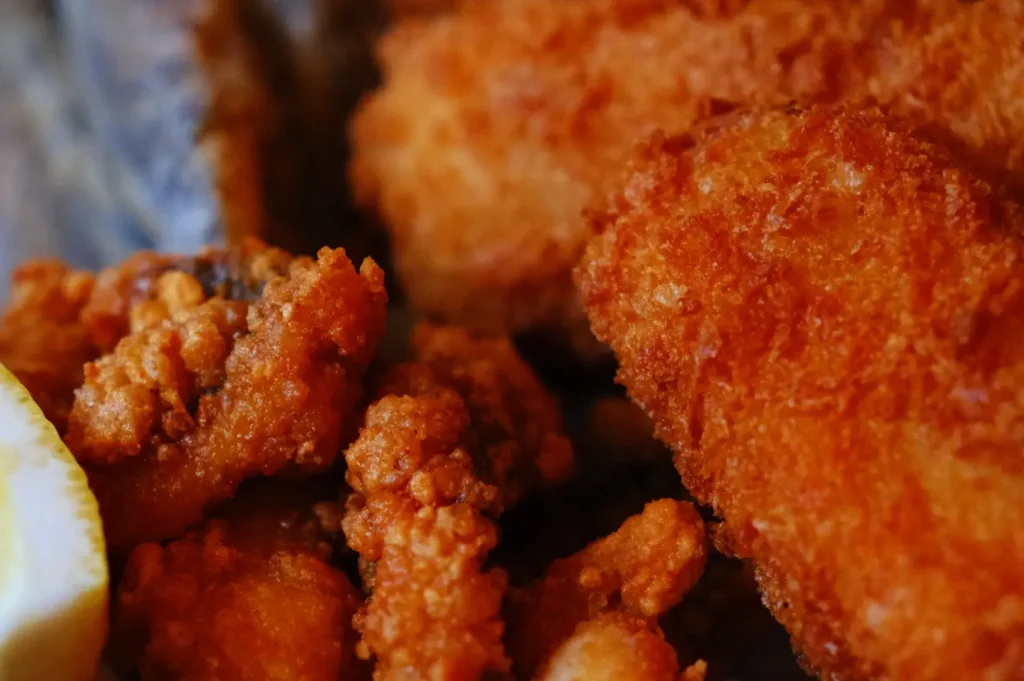
Drinks may set the tone, but food is what keeps people at the table for hours. Traditional izakaya cuisine is built almost entirely around dishes designed to be shared, eaten slowly, and paired with whatever is currently in your glass.
Grilled chicken skewers, cooked over a charcoal grill, are perhaps the most iconic example. The smoky char from real charcoal changes the character of grilled chicken in a way that is hard to replicate with other cooking methods, and it is a major reason skilled chefs at many izakaya insist on keeping the charcoal grill as the centrepiece of the kitchen. Grilled skewers extend beyond chicken too, with grilled fish and seasonal fish appearing depending on what the market offers that week, alongside grilled meat cuts chosen specifically because they hold up well against beer or sake.
Fried food plays an equally important role. Fried tofu, crisp and light, is a common vegetarian-friendly option, while other fried dishes rotate with the seasons. Noodle dishes tend to arrive later in the meal, functioning almost as a way to signal that the evening is winding down. Miso soup, though modest, is often the final course, a gentle reset after a table full of grilled, fried and raw fish dishes.
Some izakaya lean further into indulgence, offering items like foie gras with pasteurised egg yolk as a nod to more refined, occasionally fusion-influenced izakaya cooking. These dishes sit comfortably next to simpler fare, which is part of what makes traditional izakaya so enduring. There is no contradiction in ordering something luxurious and something humble in the same sitting.
Alcoholic Drinks Are Only Half the Story
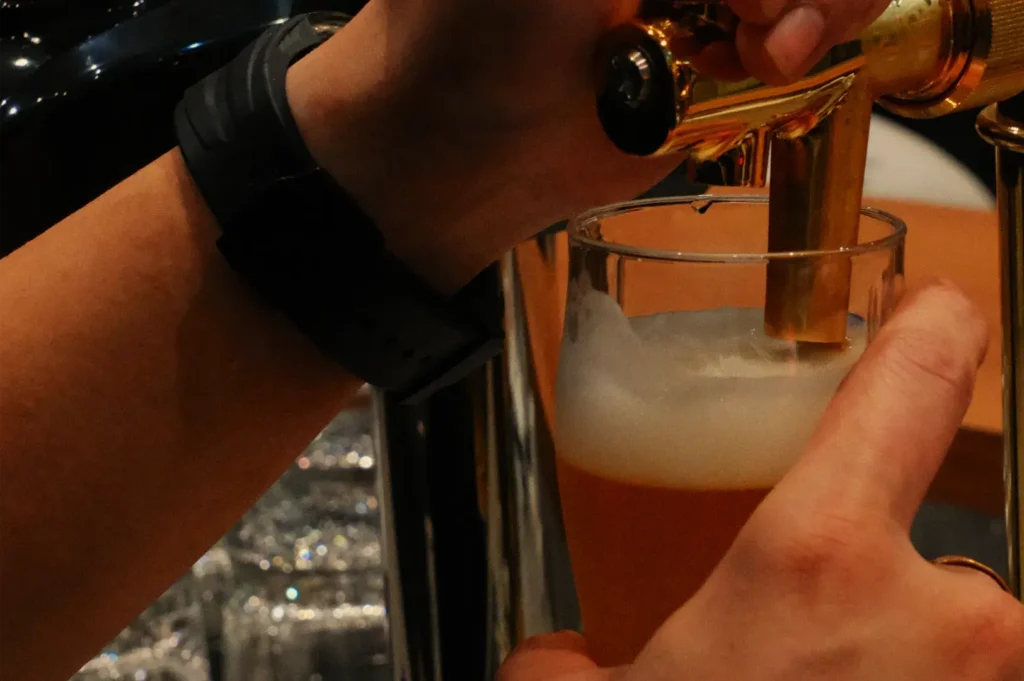
It would be easy to assume that izakaya culture is purely about how much you drink alcohol, but that misses the point entirely. The drink menu is really a tool for setting rhythm. Groups order in rounds, rarely committing to a full bottle of anything upfront, which keeps the evening flexible. Someone can switch from cold beer to sake to soft drinks without any awkwardness, because the culture has never treated drinking as an all-or-nothing activity.
This flexibility is one reason izakaya dining works so well for mixed groups, where not everyone wants to drink at the same pace, or at all. A well-designed drink menu respects that, and it is often the clearest indicator of whether an izakaya genuinely understands hospitality or is simply following a template.
Finding the Best Izakaya Means Finding a Hidden Gem With a Buzzing Atmosphere

Ask any regular how they judge the best izakaya in a neighbourhood, and very few will mention the drink prices first. What they describe instead is atmosphere: the buzzing atmosphere of a small room filled with conversation, the clatter of shared plates, and the particular energy that comes from strangers and regulars occupying the same narrow space.
An indoor smoking ban in many cities has actually reshaped this atmosphere over the past decade, making izakaya more comfortable for longer sessions and encouraging some establishments to introduce private rooms for groups who want a bit more separation from the main room. Even with these changes, the fundamental appeal has not shifted. People are still chasing that hidden gem feeling, a friendly traditional izakaya tucked down a side street, with fresh ingredients, fresh seasonal produce, and a menu that feels considered rather than mass-produced.
Interestingly, this same instinct, seeking out a smaller, more soulful dining experience rather than a large chain, is exactly what draws people to a place like ours later in the evening. Guests who spend the day exploring Japanese food often want to end it somewhere with the same warmth, which is part of why we allow our own space to shift into an izakaya-style evening service after our Hokkaido soup curry hours wrap up. This dual identity, a soup curry restaurant by day and a cosy izakaya by night, is something we have come to know simply as Soup Curry by Ki-Setsu.
Some izakaya also introduce seasonal specials tied to specific ingredients, whether that is a particular fish in season or a limited sake release from a small brewery. These specials rarely appear on the main drink menu or food list, and asking about them directly is often the best way to access the most interesting must try dishes an izakaya has to offer that week.
What Your Order Really Says
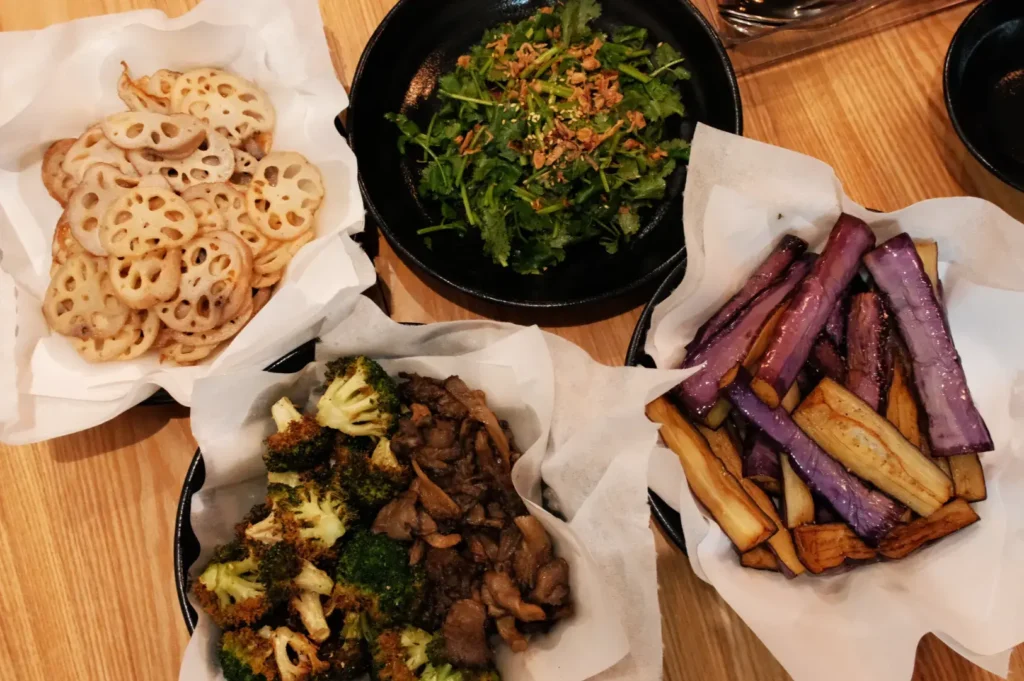
The next time you sit down at a Japanese izakaya, pay attention to what happens before anyone opens the food menu. The choice between beer, Japanese sake, or something from the growing craft beer selection is not incidental. It reflects mood, pace, and how the group intends to spend the evening together.
Izakaya drinks were never designed to be consumed in isolation. They exist to slow an evening down, to give people a reason to stay a little longer, and to turn a simple meal into something closer to a shared ritual. Understanding that is really understanding Japanese drinking culture itself: less about the alcohol content in the glass, and much more about what sharing that glass, round after round, actually builds between the people at the table.