There is a moment, familiar to many, when a plate of golden, breaded cutlet arrives at the table, draped in a glossy, amber curry sauce, and suddenly all other options feel irrelevant. Katsu curry has that effect. It is deeply satisfying, visually compelling, and surprisingly easy to love on first encounter.
But before you plant your flag and declare it your favourite Japanese dish, there are a few things worth understanding about what katsu curry actually is, how it differs from other expressions of Japanese curry, and what makes it genuinely special rather than just convenient. We have a soft spot for all things curry at our restaurant, so consider this our honest, flavour-first guide.
What Actually Is Katsu Curry?
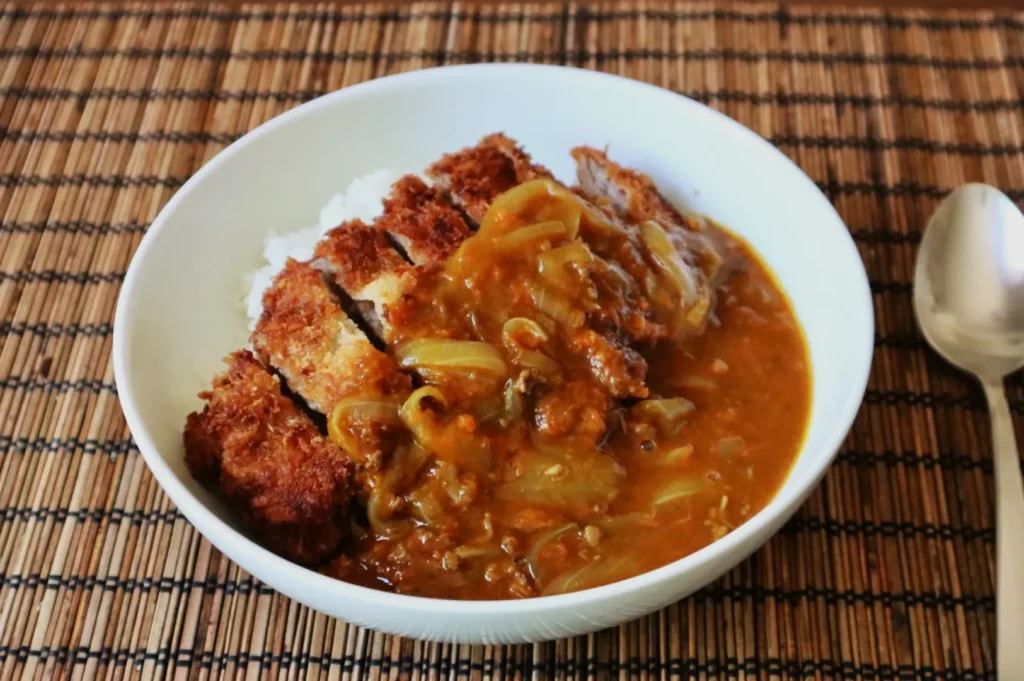
Katsu curry is, at its core, a pairing of two things: a breaded, deep-fried cutlet, and a thick, spiced Japanese curry sauce served over steamed rice. The word “katsu” comes from the Japanese pronunciation of “cutlet,” and the most common version you will encounter is chicken katsu curry, made with a chicken breast or thigh that is coated in flour, dipped in beaten egg, and pressed into panko breadcrumbs before being fried in vegetable oil until golden brown.
The curry sauce in chicken katsu curry is typically built around a Japanese curry roux. This roux is quite different from the spice-forward, layered bases used in South Asian or Hokkaido-style curries. It is a pre-made block, widely available at most supermarkets in Japan and abroad, composed of curry powder, flour, butter, and sweeteners that dissolve into a thick, glossy sauce when combined with water or chicken stock. Some home cooks and restaurants enrich it further with soy sauce, garam masala, or even a splash of coconut milk to deepen the flavour profile.
The result is a curry sauce that is mild, slightly sweet, warming, and consistently smooth. It coats the plate rather than pooling like a soup, and it clings to the edges of the katsu with each bite.
The Role of the Cutlet
The cutlet is where chicken katsu curry really earns its reputation. Whether made with chicken breast, a whole thigh, or a pork cutlet in the traditional tonkatsu style, the technique is the same. The panko breadcrumbs give the exterior a light, airy crunch that is noticeably different from the denser coating of Western-style fried chicken. Fry correctly in hot vegetable oil, and the crust turns golden brown while the meat inside stays juicy and tender.
Getting the cutlet right takes a little practice. The flour coating helps the beaten egg adhere, the egg binds the panko, and the oil temperature determines whether you achieve a proper crunch or end up with something greasy and pale. Those making a gluten free version at home can substitute rice flour and gluten free flour for a result that holds up well in the pan, though the texture differs slightly from traditional panko breadcrumbs.
How Japanese Curry Became Its Own Thing
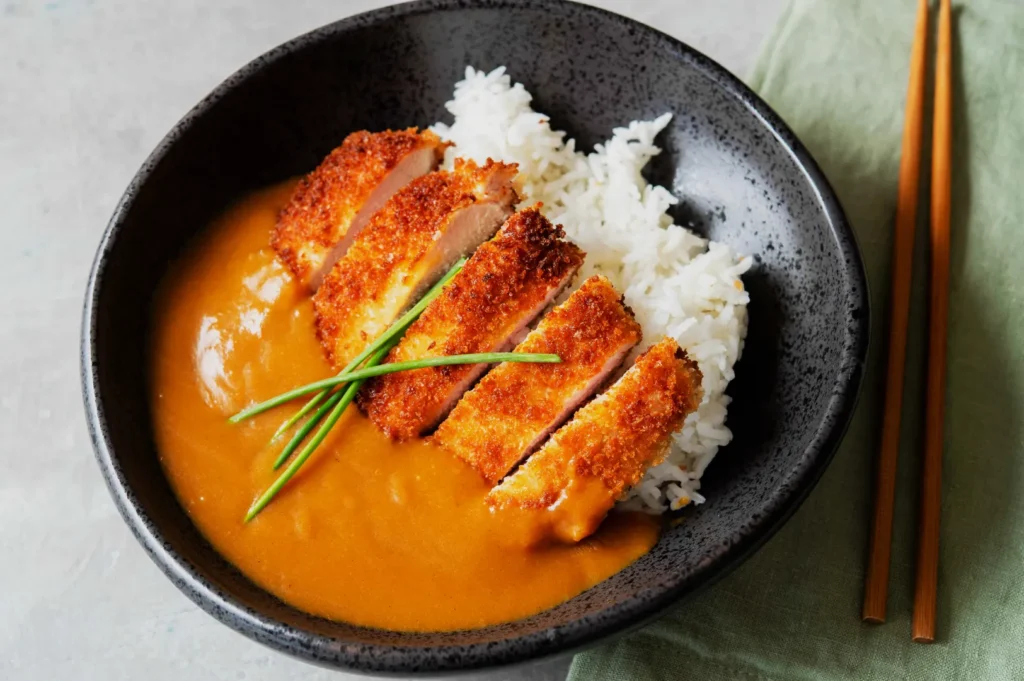
To appreciate katsu curry fully, it helps to understand the broader world of Japanese curry, of which katsu is just one expression. Japanese curry arrived via British and Indian trade routes in the late Meiji era, was absorbed by the Japanese military as a practical, nutritious meal, and gradually evolved into something entirely distinct from its origins.
Unlike Indian curries, which draw complexity from layers of aromatics, whole spices, and long cooking times, Japanese curry leans towards a gentler, rounder flavour. Onion, carrots, and potatoes are the classic base vegetables, slow-cooked until soft, with the curry roux dissolved in to create that signature thick sauce. The sweetness is deliberate, and the spice level tends to be mild unless you specifically seek out a hot curry version.
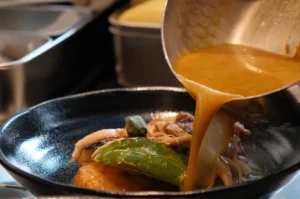
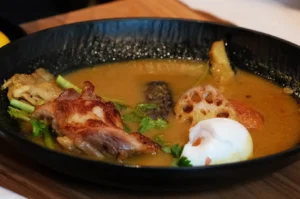
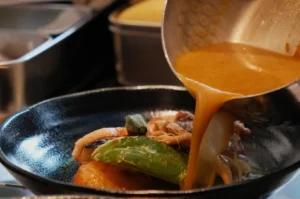
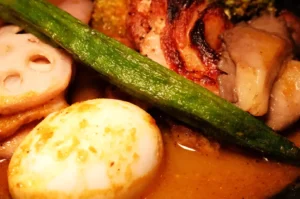
This adaptation is precisely what makes Japanese curry so widely loved, and also what distinguishes it from something like Hokkaido soup curry, which we specialise in. Soup curry uses a light, fragrant broth base instead of a curry roux, allowing the spices to sing more individually, and the vegetables are kept vibrant and textured rather than cooked down into the sauce. Where katsu curry prioritises comfort through richness and weight, soup curry offers comfort through warmth and brightness. They are different expressions of the same culinary impulse, and both deserve your attention.
Chicken Katsu vs. Pork Cutlet: Which Belongs in Your Bowl?
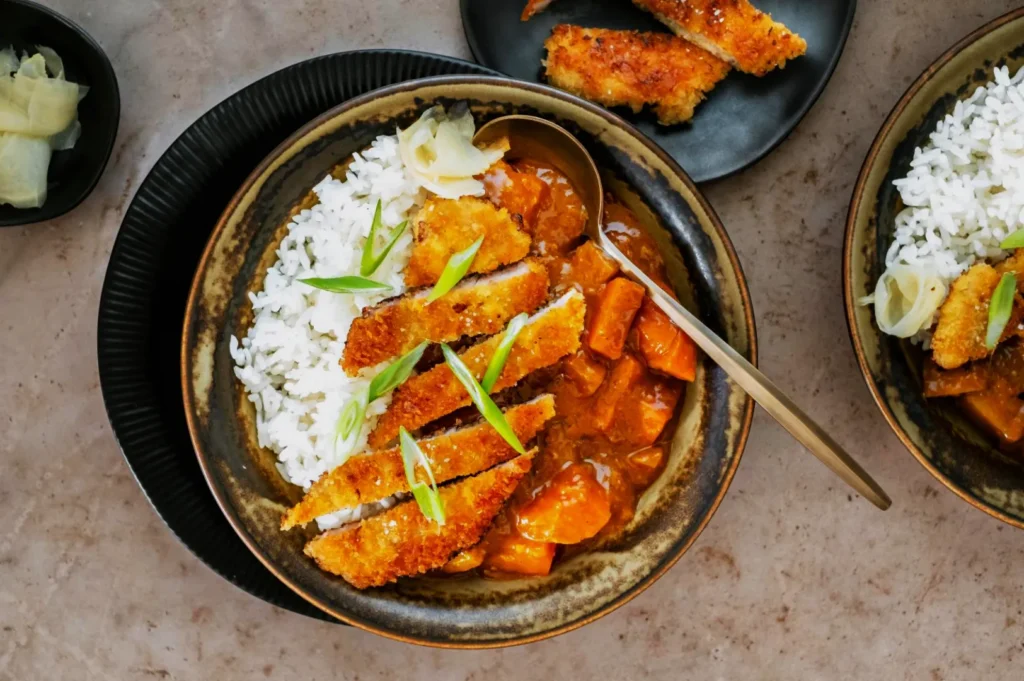
This is a debate that matters more than it might seem. The original katsu in Japan was pork, specifically tonkatsu, a thick pork cutlet served with a tangy katsu sauce made from Worcestershire, tomatoes, and soy sauce. Chicken katsu curry, while enormously popular in its own right, is a more recent mainstream adaptation that caters to a wider audience.
Pork cutlet is fattier and richer, with a depth of flavour that stands up boldly to a thick curry sauce. Chicken breast, on the other hand, is leaner and lighter, which many diners prefer. A properly fried chicken thigh cutlet, however, offers the best of both worlds: a little more fat, more flavour, and enough moisture that it does not dry out during frying. The choice of meat genuinely changes the experience of the dish.
Building the Katsu Curry Sauce From Scratch
While most recipes and many restaurants rely on a commercial curry roux, making a katsu curry sauce from scratch reveals just how much nuance this dish contains. The process involves building a roux with butter and purpose flour, toasting curry powder in the pan before adding chicken stock or vegetable stock, then adding caramelised onion, garlic, and ginger for depth. Some recipes incorporate a small amount of coconut milk for a gentler finish, or a pinch of garam masala for warmth.
The sauce should simmer on medium low heat until it reaches the right consistency: thick enough to coat a spoon, but loose enough to flow across the plate. Stir regularly to prevent the bottom from catching, and season with salt and a small amount of soy sauce at the end. It is a different process from dissolving a shop-bought roux block, and the result is noticeably more layered and complex.
Steamed Rice: The Quiet Foundation

No conversation about katsu curry is complete without acknowledging steamed rice, the element that ties everything together. Japanese short-grain rice, cooked in a rice cooker or on the hob, has a natural stickiness and gentle sweetness that makes it the ideal partner for the curry sauce. It absorbs the sauce from underneath while remaining firm enough to provide a textural contrast to the soft-coated cutlet on top.
Some diners eat curry by spooning the sauce over the rice and the katsu together, letting everything mingle. Others keep the components separate and combine each mouthful deliberately. Both approaches work. The steamed rice is not a side dish in this context. It is structural.
What Katsu Curry Is Not
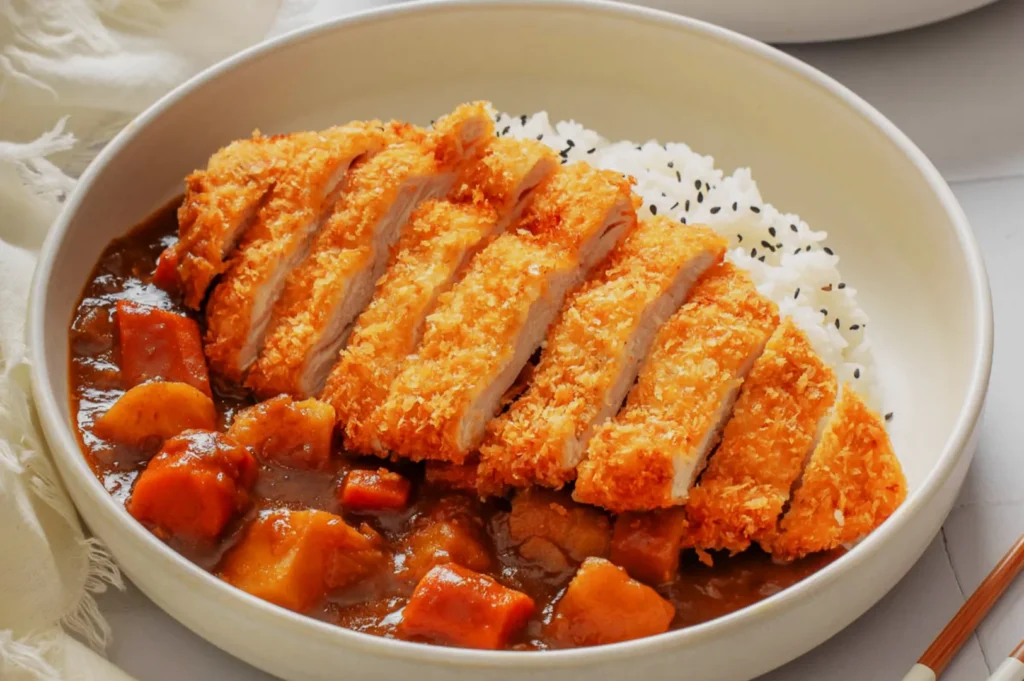
Part of knowing a dish well is understanding its boundaries. Katsu curry is not a light meal. Between the deep-fried cutlet, the thick curry sauce, and the steamed rice, it is filling by design. The saturated fat content from the frying oil and the roux-based sauce means it sits firmly in the category of comfort food rather than everyday eating. That is not a criticism. It is the point.
It is also not the most complex curry experience Japanese food has to offer. The curry roux, while delicious, produces a more uniform flavour compared to the aromatic depth you find in other curries, including the Sapporo-origin soup curries we serve at our restaurant. We believe in the full spectrum of Japanese curry expressions, and katsu curry holds a warm, well-earned place within it.
Other Recipes Worth Exploring Once You Know Katsu
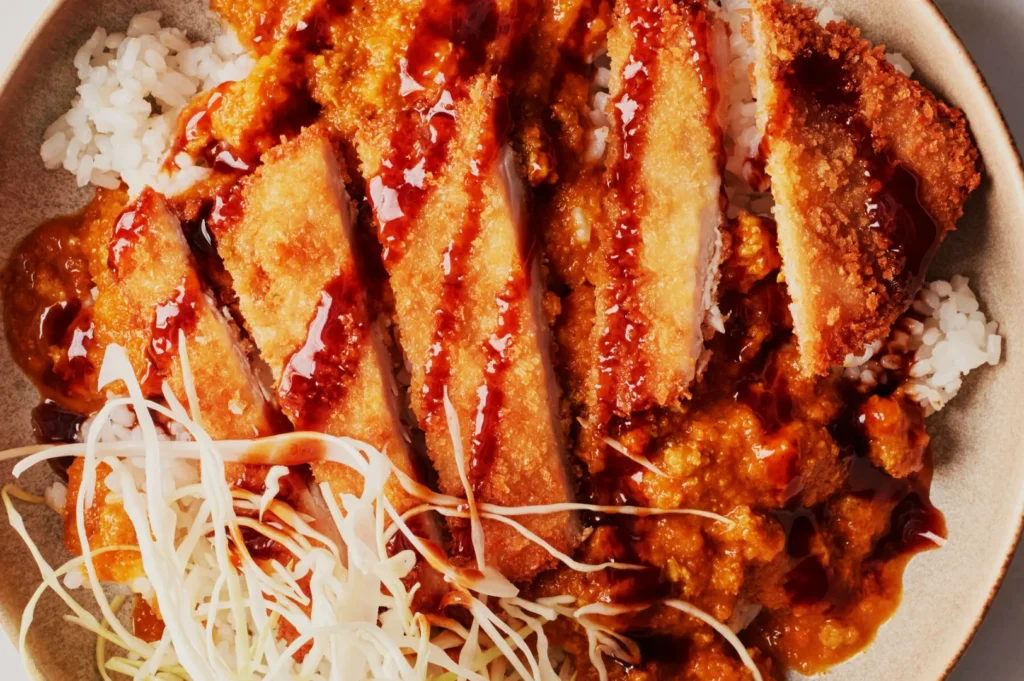
Once you have made or eaten a proper chicken katsu curry, you are well placed to explore other recipes within the Japanese curry family. Hayashi rice is a tomato-based stew with a similar glossy sauce. Keema curry uses minced meat and is drier and more fragrant. And Hokkaido soup curry, with its rich broth, vibrant deep-fried vegetables, and bold spice blend, offers something that feels entirely different while still belonging to the same tradition.
If katsu curry is your entry point into Japanese curry, it has served you well. Now keep going.
Before You Call It Your Favourite
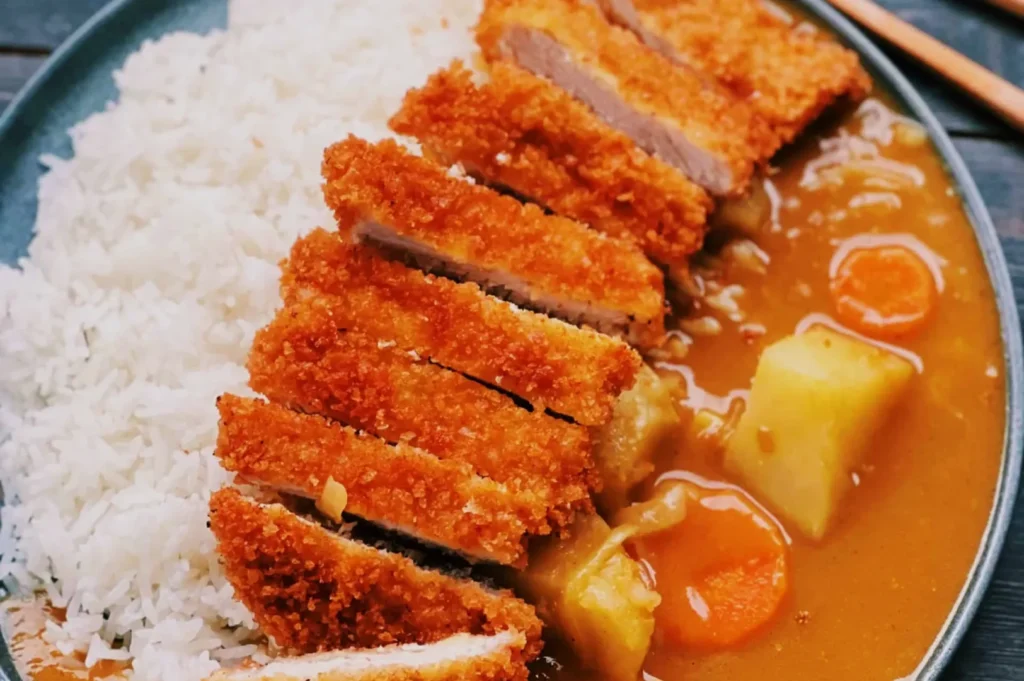
Katsu curry deserves every bit of affection it receives. It is satisfying, achievable, crowd-pleasing, and deeply rooted in Japanese culinary culture. But if you have only encountered it in its most straightforward form, there is still more to discover. Understanding the curry roux, appreciating the craft of the cutlet, and comparing it honestly to other expressions of Japanese curry gives you the full picture.
At Soup Curry by Ki-Setsu, we specialise in a different chapter of that story, but we have genuine respect for what katsu curry does and why it resonates. If you are building your own hierarchy of Japanese dishes, make sure you have tasted broadly before you decide. Your favourite might still be waiting.