There is a quiet revolution happening at the counter seats of izakaya across Japan. Where groups of colleagues once dominated every table, a new kind of diner has emerged: the solo guest, unhurried and entirely at ease, nursing a cold draft beer and working through a plate of yakitori with no one to answer to but themselves. This is ohitorisama culture, and it is reshaping the way Japanese people eat, drink, and spend an evening out.
The word ohitorisama, loosely translated as “a party of one,” carries no negative connotation in Japan. It is simply a descriptor, and increasingly, a badge of quiet pride. To dine ohitorisama is to exercise a kind of freedom: the freedom to eat at your own pace, order only what you want, linger as long as you like, and enjoy the lively atmosphere of an izakaya without the social choreography that group dining demands.
Ohitorisama and the Shifting Culture of Japanese Society
For much of Japan’s modern history, the izakaya was understood as a communal space. It was where salarymen processed the working week with colleagues, where friends gathered on weekends, where married couples celebrated quietly over sake. The idea of arriving alone was, for many, uncomfortable. Japanese society placed enormous value on group belonging, and solo dining felt like an admission of social failure.
That perception has shifted considerably, particularly in Tokyo and Osaka. Japanese life has grown more individualistic over the past two decades, driven by demographic changes, a rise in single-person households, and the cultural influence of young people who are less bound by traditional expectations. Ohitorisama dining is now so normalised that many establishments across Japan have redesigned their spaces specifically to accommodate solo customers.
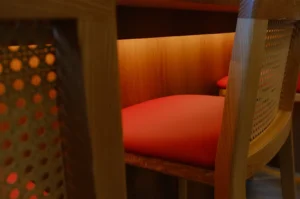
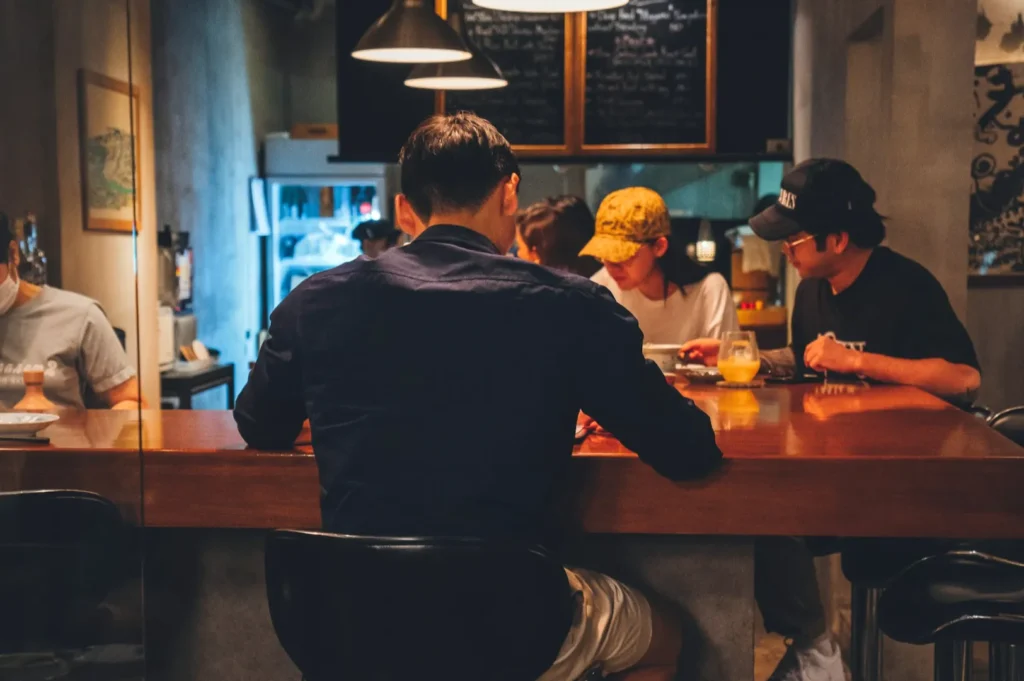
Counter seating, once the domain of sushi restaurants with skilled chefs at work, has become a standard feature of many modern izakaya. A single stool at a well-lit counter, a menu within reach, and the ambient hum of a busy room: this is everything the ohitorisama diner needs. The counter also provides something subtle but important, a sense of participation. You are alone, but you are not isolated. You can watch, listen, and feel part of the broader community of the room without being obligated to engage.
Solo Diners and the Izakaya Experience
What does the izakaya offer a solo diner that other venues do not? The answer lies in the format of izakaya culture itself. Unlike a formal restaurant where a lone guest might feel conspicuous ordering a full meal, the izakaya operates on small plates and shared dishes, which translates naturally to solo dining. A solo guest can order two or three dishes and feel they have had a proper meal, not a compromise.
Delicious food arrives in a rhythm that suits one: a plate of fresh sashimi, perhaps some grilled meat from the grill, a bowl of miso soup to anchor the meal. The pacing is flexible. There is no obligation to order a starter, main, and dessert in sequence. The ohitorisama diner builds their own meal from what appeals to them, and the izakaya’s extensive menu makes that very easy.
Drinks are equally well-suited to solo dining. Beer, sake, and shochu are all available in single servings, and many izakaya in Japan offer all-you-can-drink packages that work just as well for one as for a group. Solo drinking in Japan carries far less social stigma than it might in other countries, and the izakaya, with its warm and unpretentious atmosphere, makes it feel entirely natural.
Counter Seating as a Design Philosophy
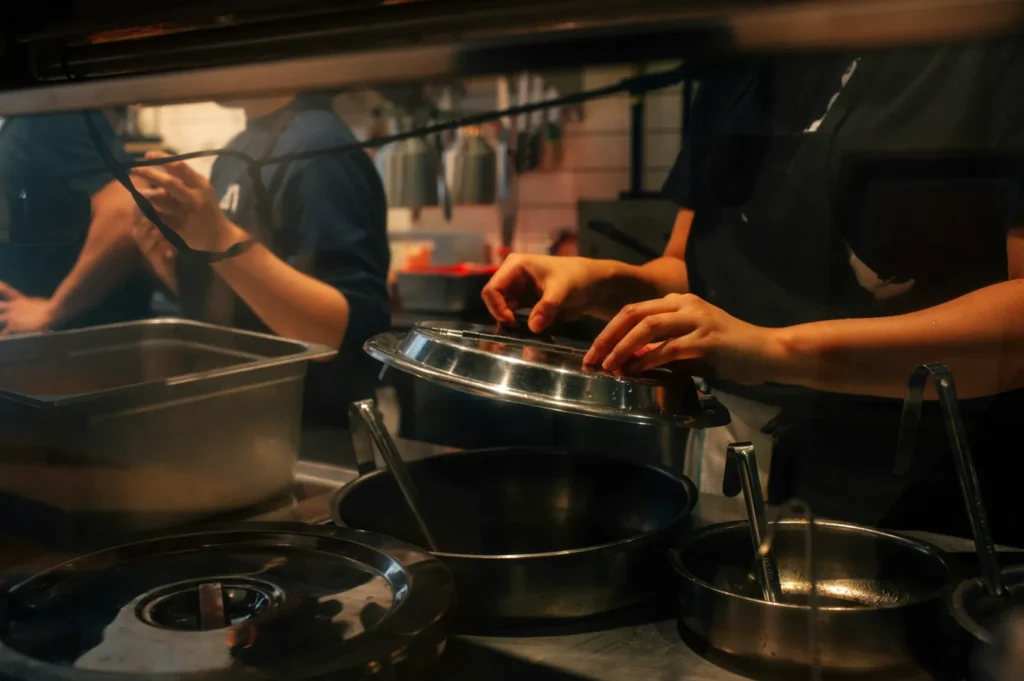
The physical arrangement of counter seating tells you something important about how Japan understands the solo diner. A good counter is not just a practical solution to space; it is a social environment in its own right. Skilled chefs working behind the counter create a kind of performance, and the solo diner seated there becomes an audience and a participant simultaneously.
We have always believed that good food tastes better when you can see the care that goes into it. At Soup Curry by Ki-Setsu, the counter is a place of genuine connection between the kitchen and the guest. Solo diners who sit there often find themselves in quiet conversation with the team, not because they sought it out but because the proximity naturally invites it. It is a different kind of community: smaller, more intimate, and entirely appropriate for the ohitorisama spirit.
How Japanese People Navigate Solo Izakaya Visits
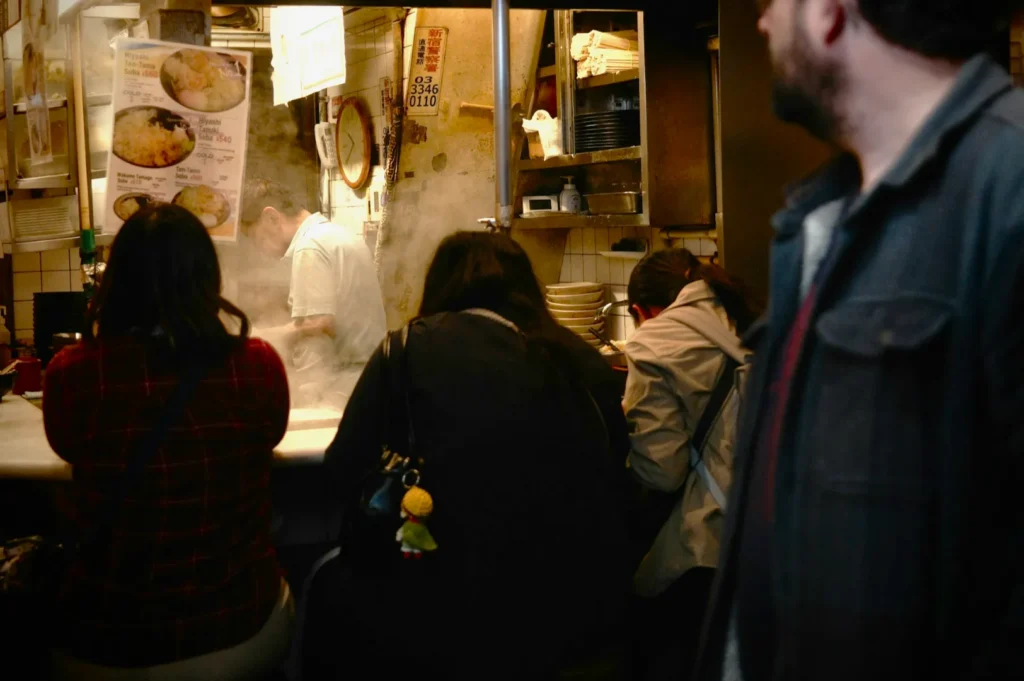
For many Japanese people, the first solo izakaya visit is a threshold moment. There is often a story attached to it: the colleague who cancelled at the last minute, the realisation that hunger does not wait for company, the deliberate decision to try it alone just once and see how it feels. What many discover is that the anxiety they anticipated does not arrive. The izakaya absorbs the solo diner naturally.
Part of this is because izakaya staff in Japan are trained to treat solo customers with the same attentiveness as groups. There is no pointed question about whether a table will be needed or a suggestion to wait for others. A solo diner is shown to a seat, given a menu, and left to settle in. The lively atmosphere does the rest, providing enough energy and noise to make the solo guest feel embedded in the room rather than stranded at the edge of it.
Young people in particular have driven this normalisation. In Tokyo especially, it is entirely common to see a woman dining alone at an izakaya counter on a Wednesday evening, her phone beside her sake cup, perfectly content. The foreigner visiting Japan for their first trip often notices this with something close to admiration. Ohitorisama dining in Japan feels civilised, not sad.
Private Rooms and the Option of Seclusion
Some solo diners prefer a different experience entirely. Many establishments in Japan now offer private rooms that can accommodate a single guest, a development that would have seemed eccentric a generation ago. These private rooms offer solitude without the exposure of counter or table seating, appealing to solo customers who want the delicious food and the drink without the ambient social environment.
This is not a contradiction of ohitorisama culture but an extension of it. The idea is the same: that spending time alone should be as well-catered for as group dining, and that the individual diner’s comfort matters. Japan has always been attentive to nuance in hospitality, and the provision of private rooms for solo guests reflects that attentiveness carried to its logical conclusion.
Ohitorisama Culture Beyond Japan's Borders
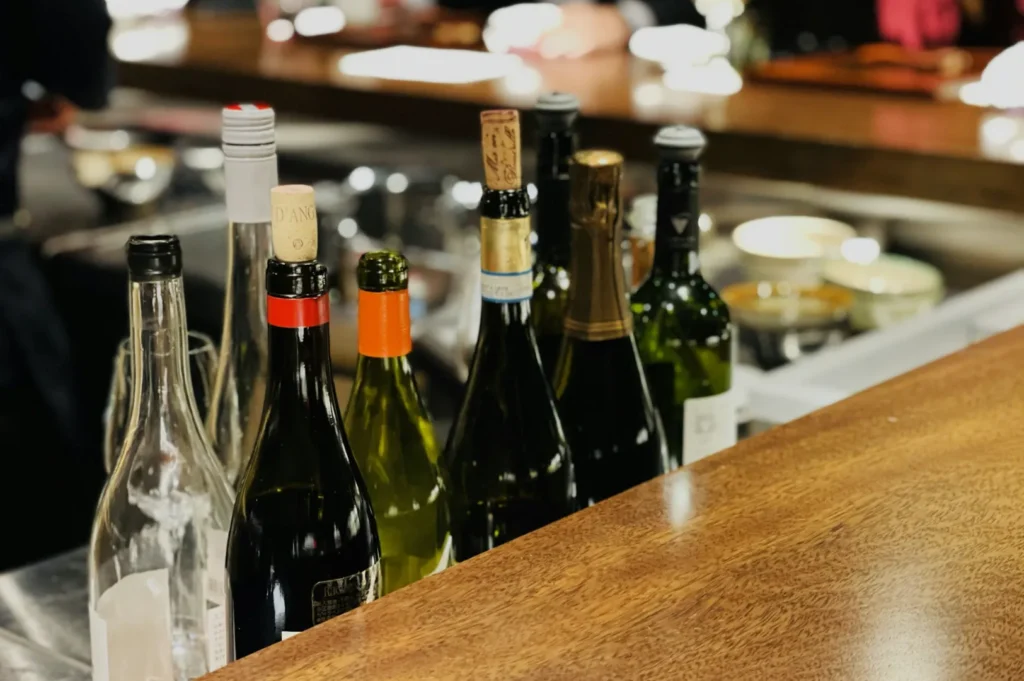
Ohitorisama as a concept has begun to travel. In Singapore, where Japanese cuisine has a devoted following, solo dining at izakaya-style restaurants is becoming more common. Diners here are increasingly comfortable arriving alone, particularly at the counter, and the culture of treating solo guests with the same warmth as groups is something we try to embody every evening.
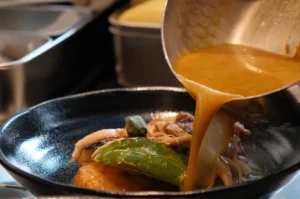
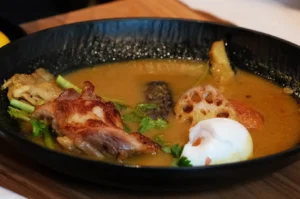
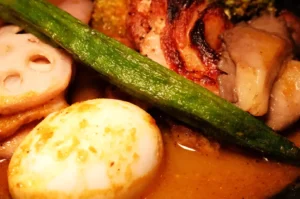
From 6 PM onwards, our restaurant becomes a cosy izakaya space where both groups and solo diners are equally welcome. The counter seats are designed with the ohitorisama guest in mind: well-lit, comfortable, positioned to give a clear view of the kitchen. We serve dishes like deep-fried vegetables prepared using the Japanese su-age technique, their vibrant colours intact, alongside tender chicken in rich aromatic soup, and everything is portioned in a way that works just as well for one as for four.
The izakaya culture that Japan has cultivated around solo dining is, at its heart, about dignity. It says that eating well and drinking thoughtfully are worthwhile acts regardless of whether you have company. Soup Curry by Ki-Setsu was built around exactly that idea: that a bowl of carefully made food, served with care and eaten in a warm space, is a complete experience on its own terms.
The Broader Meaning of Eating Alone
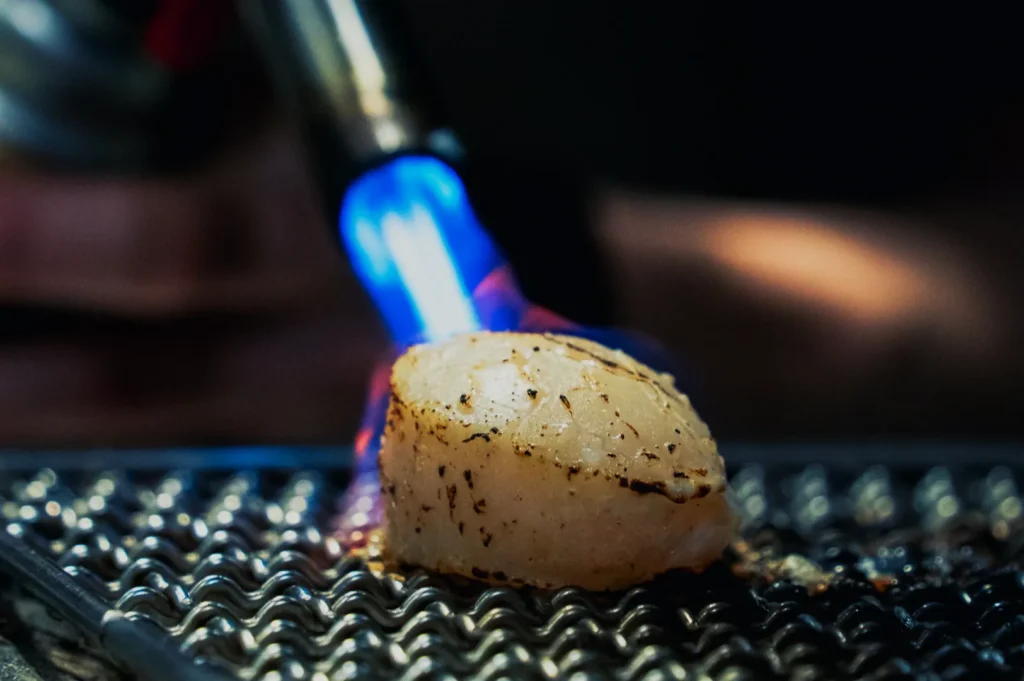
There is something quietly radical about ohitorisama culture when you set it against the social norms of most countries. In much of the world, solo dining is treated as a temporary condition to be remedied, a gap in one’s social calendar rather than a valid choice. Japan, through the izakaya and its particular hospitality culture, offers a different story.
Solo diners are not waiting for their life to begin. They are living it, at the counter, over bonito flakes and yakitori and a cold beer at the end of a long day. They are, in their own quiet way, modelling something that many other cultures have yet to fully embrace: that good food and a good atmosphere are ends in themselves, and that no one needs a companion to justify seeking them out.
For those who have yet to try dining ohitorisama, the izakaya is the ideal place to start. The format is forgiving, the atmosphere is warm, and nobody at the next table is paying the slightest attention to whether you came alone. That, in the end, is the beauty of it.