Walk into any Japanese izakaya on a weeknight and you will notice something immediately. Nobody is eating alone off their own plate. The table fills up with small dishes, chopsticks reach across from every direction, and the meal unfolds less like a sequence of courses and more like a conversation that happens to involve food. This is not an accident of Japanese pub culture. It is the entire design principle behind izakaya food, and once you understand why, the whole experience makes a lot more sense.
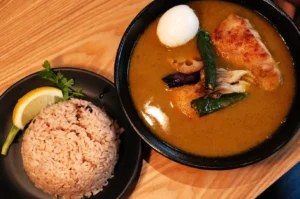
We think about this often in our own dining room, where the evening shifts from Sapporo soup curry service into a cosy izakaya atmosphere from six in the evening onwards. Watching how guests naturally begin ordering for the table rather than for themselves has taught us a great deal about why this style of eating has endured in Japan for centuries and why it translates so well wherever it goes.
The Logic Behind Japanese Izakaya Sharing Culture
An izakaya tend to build its entire menu around the idea that food is a backdrop to company, not the main event in isolation. The word izakaya itself hints at this. It loosely combines the idea of sitting and staying with the idea of a shop that sells sake. It was never meant to be a place where you eat quickly and leave. It was meant to be a place where you sit down, order a few things, and let the evening stretch.
This is why the food items on a typical menu are small, varied, and inexpensive enough that ordering six or seven dishes for a table of four feels completely normal. A plate of grilled chicken here, a bowl of edamame there, a few chicken skewers passed around while everyone talks over each other about their week. Nothing arrives as a single, personal entree that belongs to one diner. Everything is built to be picked at, passed, and finished collectively.
Small Plates, Big Conversations
The small plates format does something clever to the rhythm of a meal. Because no single dish demands your full attention for twenty minutes, conversation stays alive between bites. Dishes arrive staggered rather than all at once, which keeps the table busy and engaged rather than silently working through a big plate in front of them. This is a deliberate contrast to more formal Japanese restaurants, where a large main course tends to focus everyone inward on their own food rather than outward toward each other.
What Makes Japanese Pub Culture Different From Other Dining
A Japanese bar of the izakaya variety is not quite a restaurant and not quite a bar in the western sense, and that in between identity is exactly the point. Most izakaya keep low tables, sometimes with seating on tatami mats in private rooms, encouraging a relaxed posture that is closer to a friend’s living room than a formal dining establishment. There is often a small seating charge, a modest cover that includes a starter dish such as pickled plum or a handful of edamame, which signals from the very first minute that you are welcome to linger.
Compare this to a typical restaurant, where the pacing is built around turning tables efficiently. In many izakaya, especially those tucked near train stations in Tokyo where office workers gather after long days, there is no pressure to order quickly and leave. The extensive menu, often written across the walls in kanji characters on paper strips, invites slow browsing rather than a rushed decision. Larger chain izakaya tend to print everything neatly instead, but the same unhurried spirit still runs through the format.
Japanese Beer and the Rhythm of the Table
Drinks play a structural role here too. Japanese beer, often served in large bottles meant to be poured for others rather than yourself, reinforces the same sharing instinct that governs the food. It is considered good form to top up a companion’s glass before your own. Sake, shochu, and even a rented bottle stored in personalised sake barrels at a regular haunt all follow this same communal logic. In recent years, craft beer has also found its way onto many menus, sitting alongside the classic large bottle format for those who want something more particular. The beer is not just a beverage, it is part of how the table looks after each other throughout the meal.
Izakaya Drinks Built for the Table, Not the Individual
If you look closely at how drinks are ordered in a Japanese izakaya, you will notice they rarely arrive as a single round. Someone calls out for a jug of beer, someone else asks for a sake flight, and glasses are topped up communally rather than each person managing their own bottle. Not everyone chooses to drink alcohol either, and that is entirely expected. This extends even to how a menu is structured, with drinks often listed by category, from sake and shochu through to soft drinks and soda water, so that everyone at the table, regardless of what they are having, feels equally catered for. Regular patrons often pick up their own preferred bottle from local liquor stores to keep behind the counter for future visits, a small ritual that reinforces how personal this style of drinking can become even within a shared setting.
What About Non Drinkers?
One thing that often surprises newcomers is how well most izakaya cater to non drinkers. Oolong tea, soda water, and other non alcoholic drinks are given real space on the menu rather than being an afterthought squeezed onto a final line.
This matters because the point of the evening was never really about how much alcohol is consumed. It is about staying at the table together. Someone sipping oolong tea all night is just as much a part of the sharing culture as someone working through a round of sake, because the food and the company are still doing the heavy lifting.
Reading a Menu Built for Sharing
Once you understand that izakaya food is designed for the middle of the table rather than a single plate, the menu itself starts to make more sense. Dishes are grouped less by course and more by cooking method, which naturally lends itself to variety when a group is ordering together.
Grilled Chicken Skewers, Grilled Vegetable Skewers and the Grill Station
Yakitori, skewered and grilled over charcoal, is often the backbone of the experience, a tradition said to trace back to the Edo era when street vendors first began grilling chicken over open flames for passers by. Grilled chicken skewers in particular tend to dominate, appearing in multiple forms across a single menu, from simple salted versions to those glazed in soy sauce. Grilled vegetable skewers sit alongside them, along with other grilled fish and grilled meat options, giving a table enough variety that everyone can pick at something different while still sharing from the same central selection.
Fried chicken is almost always on the menu too, usually in the karaage style, and it sits happily beside other fried food such as battered vegetables or seafood, offering a heavier, more indulgent contrast to the lighter grilled items. Occasionally a kitchen will run a limited edition version of a favourite skewer or fried dish for a season, which regular customers watch for closely.
Raw Fish, Sushi and the Cold Side of the Menu
Alongside the grill, a cold section usually offers sashimi, sushi, or other raw fish preparations, sometimes finished with a touch of cream cheese in more modern interpretations, alongside vegetables served simply with a dip or dressing. Seafood more broadly tends to feature heavily, given the coastal access most Japanese cities enjoy. These cold dishes arrive quickly and are meant to be nibbled while the grilled items are still being prepared, keeping the table occupied and the plates constantly refreshed. Many menus also close out the evening with noodle dishes, whether a light ramen or a simple stir fried noodle plate, giving the table something warm and filling to finish on before the night winds down.
The Time Limit and the Art of Lingering
Interestingly, many izakaya do impose a soft time limit, particularly during busy evening hours, often around two hours per booking. This might seem to contradict the whole ethos of lingering, but in practice it works in favour of the sharing culture rather than against it. Knowing there is a loose time limit encourages a table to order generously and steadily from the start, rather than trickling out one dish at a time. It creates a gentle sense of pace, enough structure to keep the evening moving without ever feeling rushed, and it also keeps things fair for other customers waiting for a table on a busy night.
It is also worth noting that Japan’s indoor smoking ban, introduced more broadly in recent years, changed the atmosphere of many establishments, making the communal eating experience more comfortable for larger groups who might previously have avoided smokier rooms. Locally owned, independent izakaya in particular have adapted well to this, often becoming the venues people miss visiting most once they have moved away from a neighbourhood, even more so than the larger chain izakaya that dominate busier districts.
Bringing That Same Spirit to Our Own Table
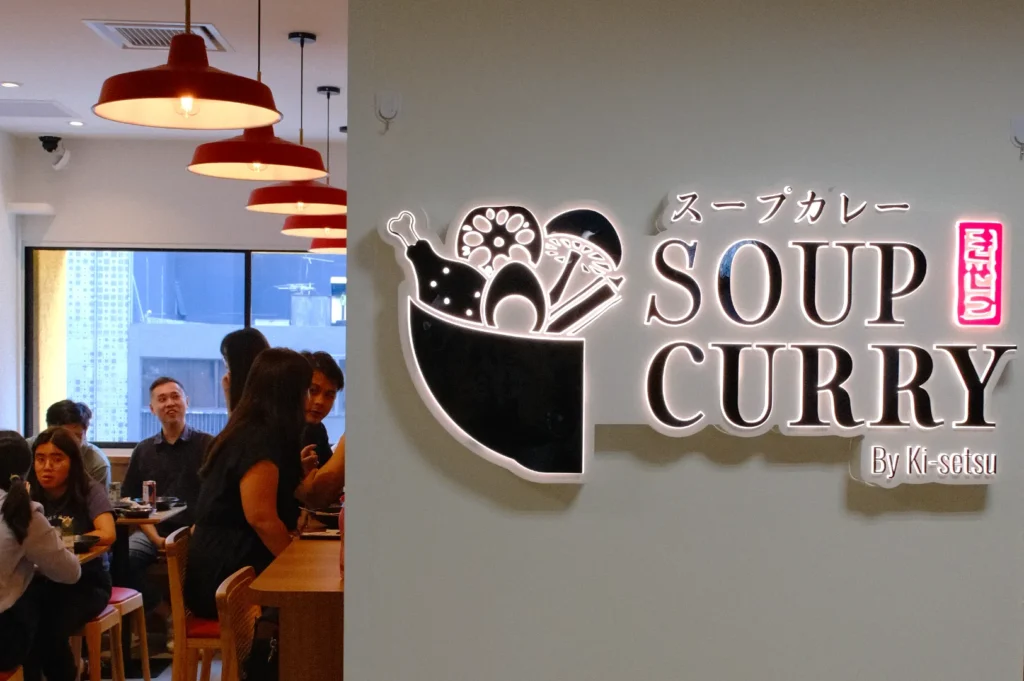
A group of people dining together at a table, some using chopsticks and others engaged in conversation.
We find a lot to admire in this philosophy, and it is part of why our own evenings shift into a similarly relaxed, shareable format. Once the sun goes down, our space transforms from Hokkaido comfort food into something closer to a Japanese pub in spirit, with small plates meant for passing around and drinks meant for topping up someone else’s glass before your own. It is the same instinct we love about the best izakaya we have visited: good food and drink taking a back seat to the simple pleasure of staying at the table together a little longer than planned. If you would like to see how this comes together, you can find more about our approach at Soup Curry by Ki-Setsu.
That, ultimately, is the entire point of izakaya food. It was never designed to impress a single diner with a beautifully plated main course. It was designed to keep a table talking, pouring for each other, and reaching across for one more skewer before the night winds down.