Anyone new to Hokkaido cuisine tends to ask the same question the first time a steaming bowl and a small plate of rice arrive at the table together. Why are they not combined into one dish? The answer sits at the heart of the soup curry rice pairing, and it says a great deal about how this dish is meant to be experienced rather than simply eaten.
In our restaurant, we serve rice separate from the broth as a matter of principle, not habit. It is one of the clearest signals that soup curry is not a variation of curry rice, but its own tradition entirely, shaped by the cold winters and hearty appetites of Sapporo.
Understanding the Soup Curry Rice Pairing Tradition
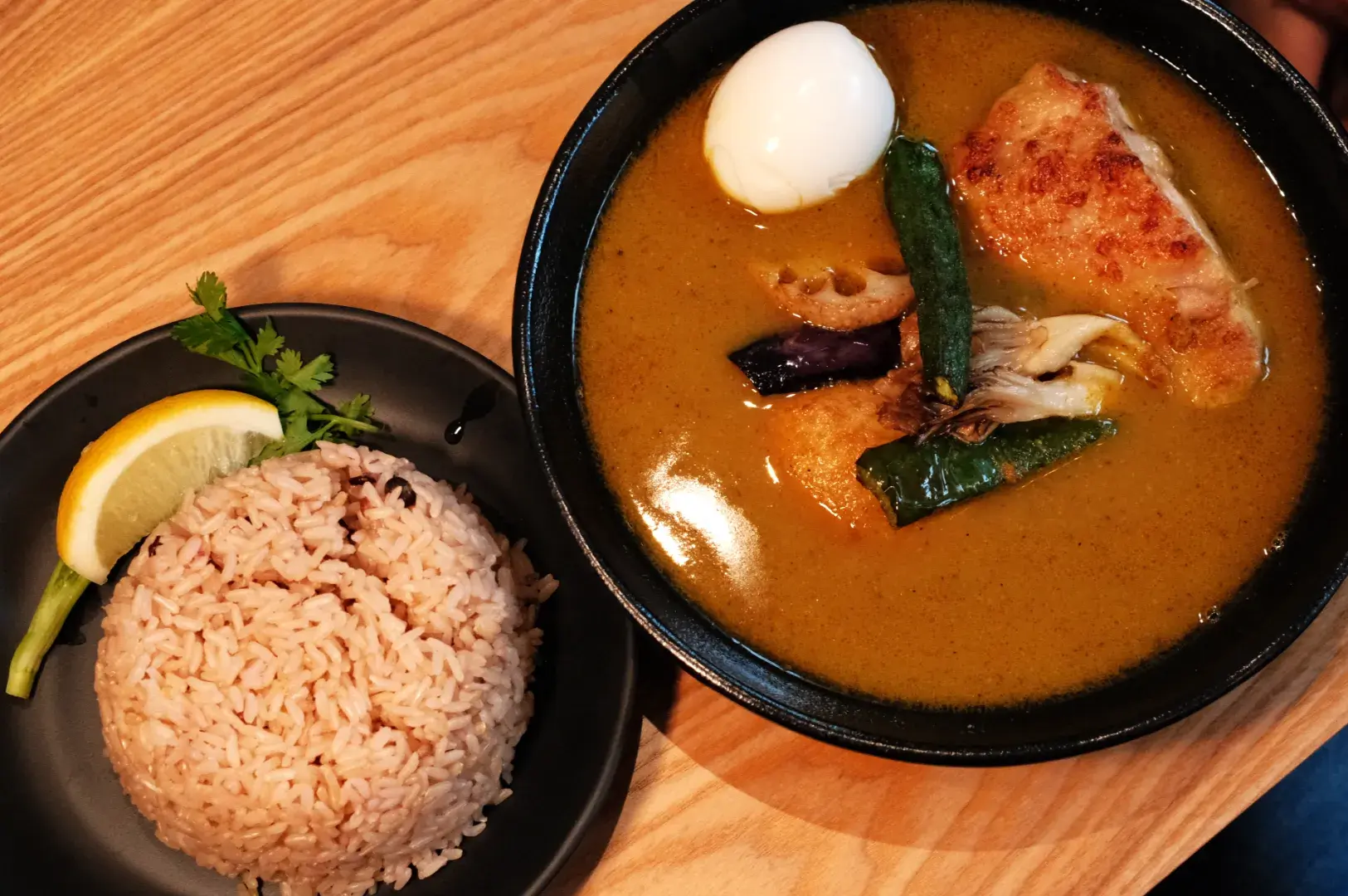
The soup curry rice pairing exists because the two elements behave differently on the palate. The broth is thin, aromatic and layered with spice, while the rice stays firm, fragrant and slightly separate in texture. Stir them together too early and the rice softens, the broth thins, and the balance that makes the dish special begins to disappear.
We plate the rice on its own so guests can control that balance themselves, spoonful by spoonful, rather than have it decided for them in the kitchen. It is a small detail, but it is one reason people who love Japanese curry rice often find soup curry to be a completely different, and often more exciting, experience.
Why Curry Rice and Soup Curry Are Not the Same Dish
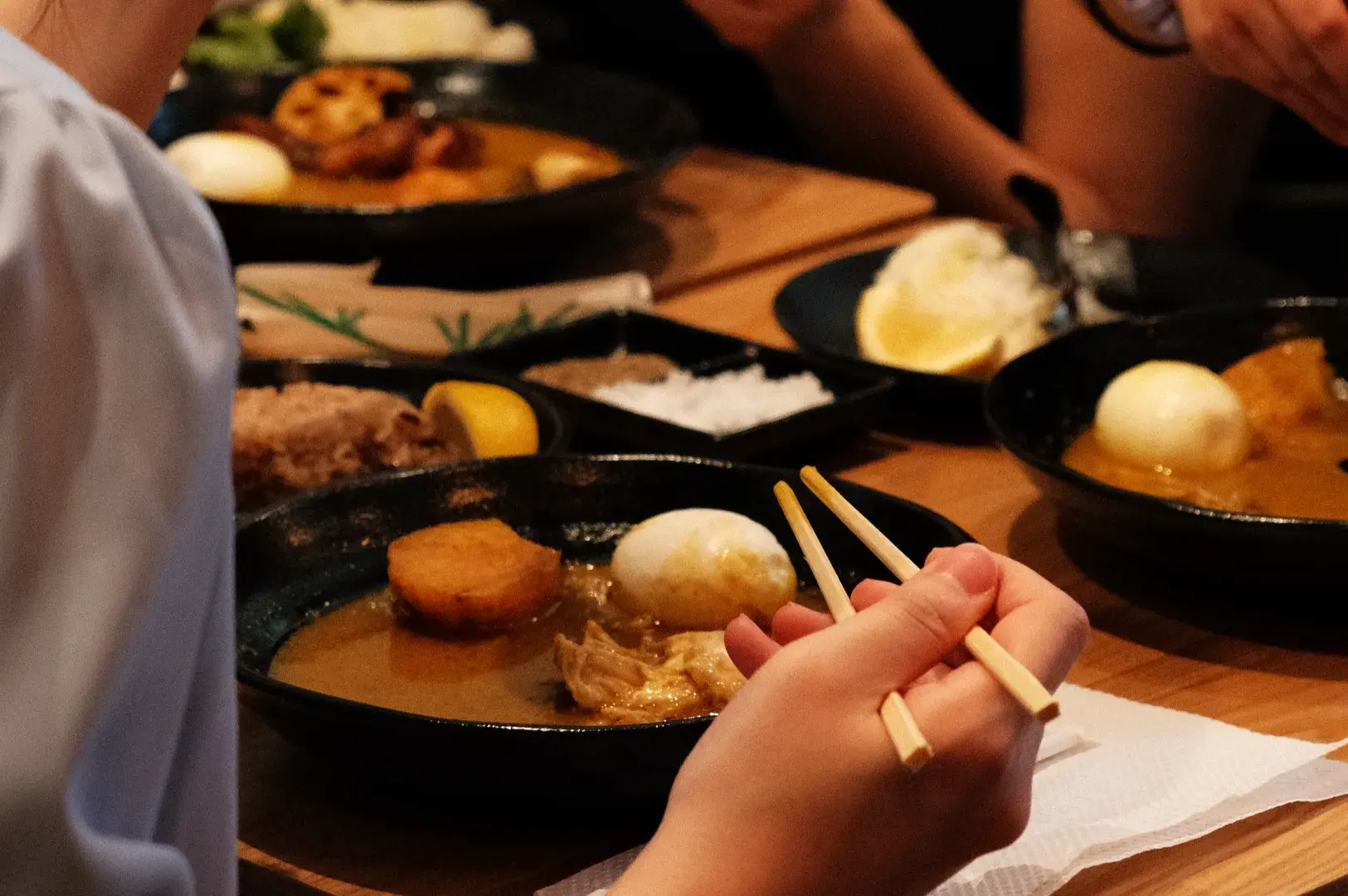
It is easy to assume soup curry is simply a thinner version of Japanese curry rice, but the two dishes come from different culinary instincts.
Japanese Curry Rice vs Hokkaido Soup Curry
Curry rice, as known across most of Japan, is built around a thick, glossy sauce made with a roux base. The sauce clings to the rice and the meat, usually pork or beef, and the dish is eaten as one unified plate.
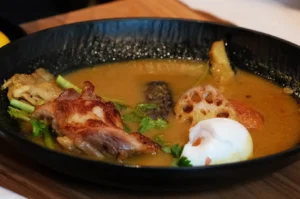
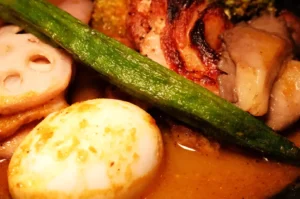
Hokkaido soup curry, by contrast, uses a clear, aromatic broth built on chicken stock, roasted vegetables and a long, gentle simmer rather than a roux. Bone in chicken, often a whole drumstick, sits alongside vegetable toppings such as bell peppers, lotus root and potato. The broth is thin enough to sip and never intended to blanket the rice the way a traditional curry sauce does. This is why, in our kitchen, we never plate curry rice and soup curry the same way. Sapporo soup curry asks for a lighter hand at the table.
How to Eat Soup Curry the Right Way
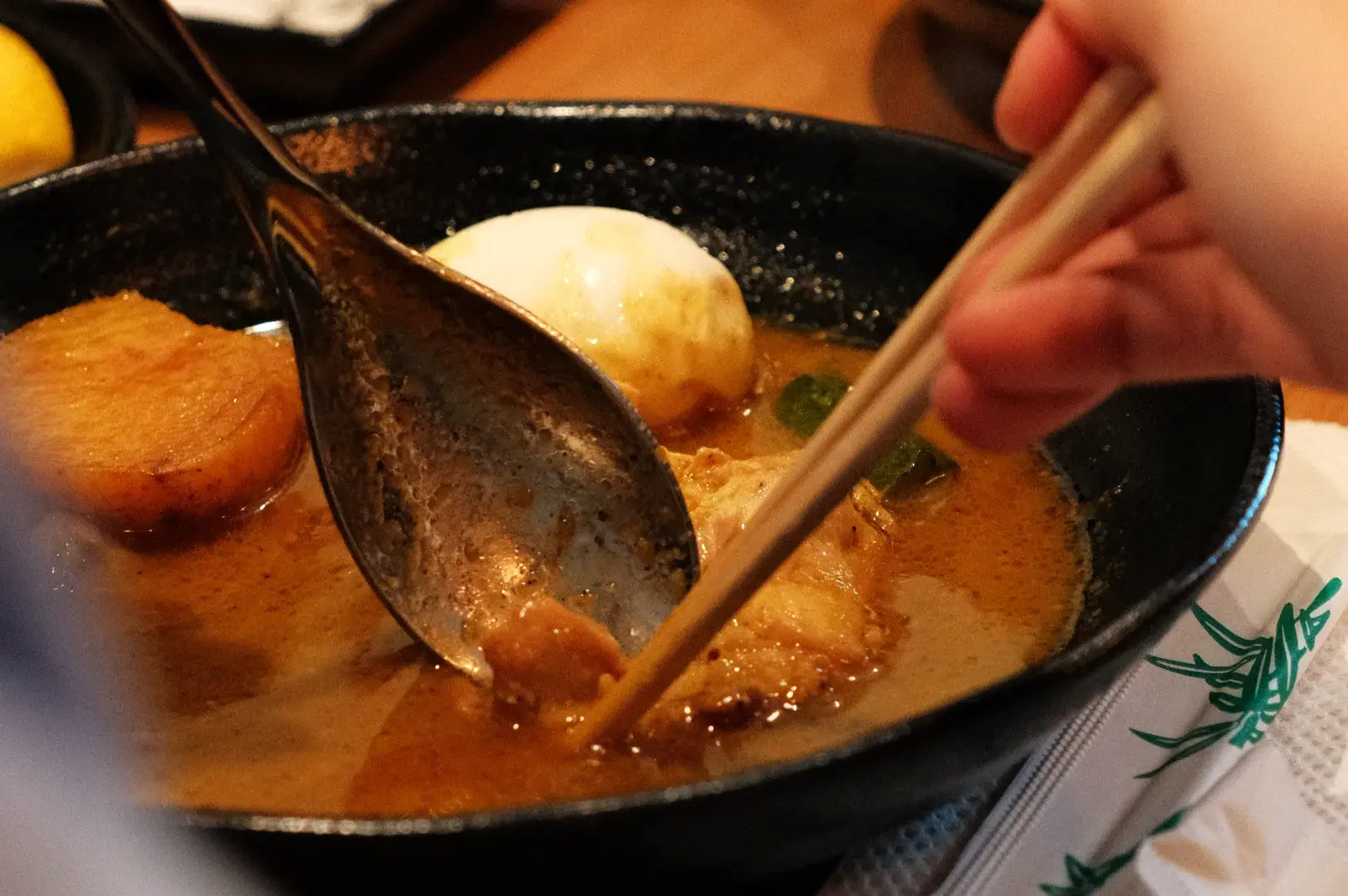
There is no single correct method, but there is a rhythm most regulars fall into once they understand how the dish is built.
Start with a spoonful of broth on its own to taste the layered spice blend before it is diluted by starch. Many first time guests skip this and go straight for the rice, missing the initial hit of aromatics that defines a well made bowl.
From there, add small amounts of rice into the broth as you go, rather than tipping the whole portion in at once. This is the heart of the soup curry rice pairing: a slow, deliberate mixing that keeps the rice slightly firm even as it soaks up the spiced broth.
The Role of Basmati Rice and Japanese Rice
We are often asked why some soup curry establishments use basmati rice while others use short grain Japanese rice. Basmati, being drier and more separate in grain, resists breaking down in the broth for longer, which suits a leisurely meal. Japanese rice, stickier and slightly sweeter, offers a softer contrast and is closer to what most diners expect from a curry rice dish.
Building the Perfect Bowl: Fried Vegetables and Tender Chicken
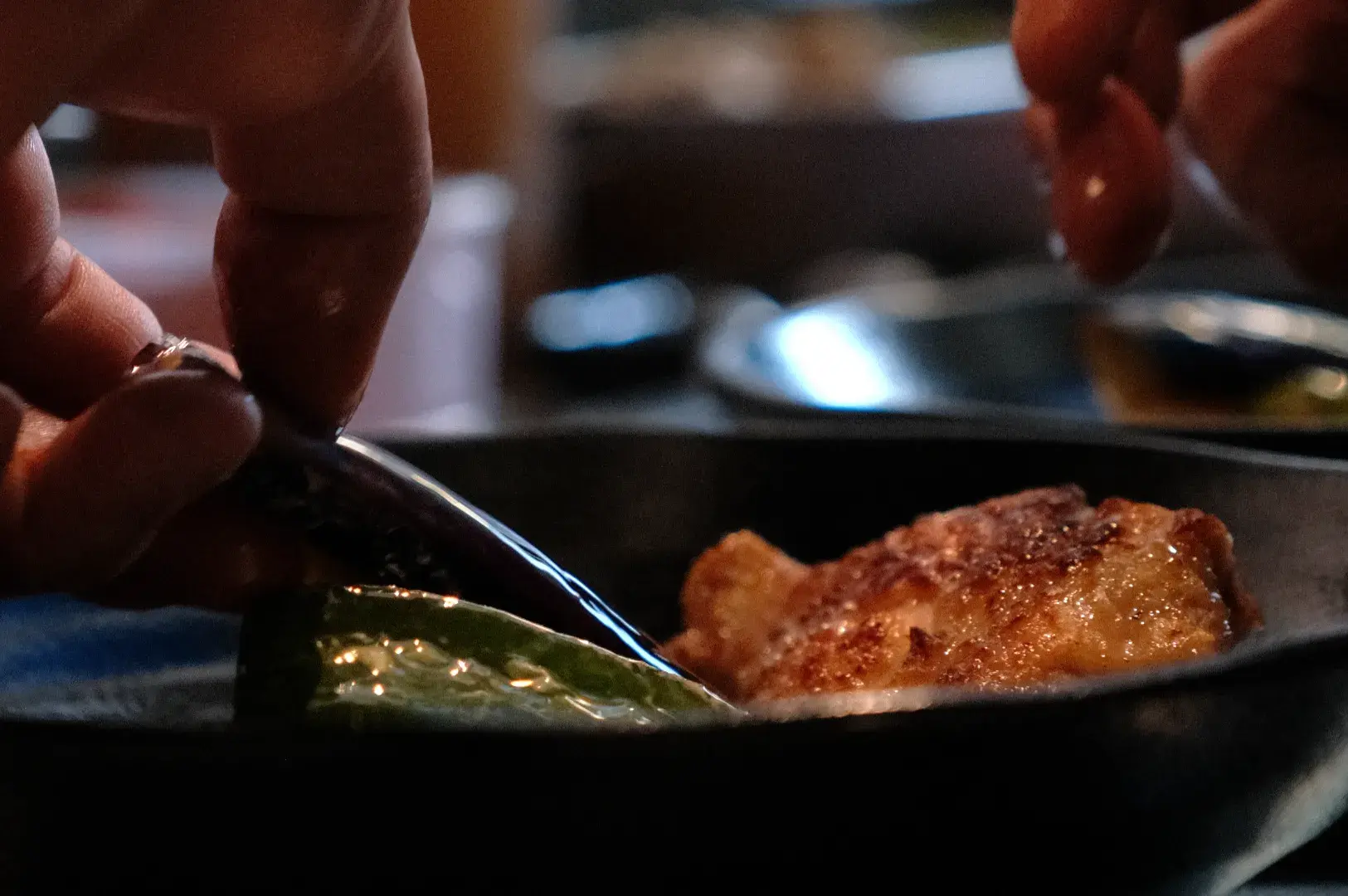
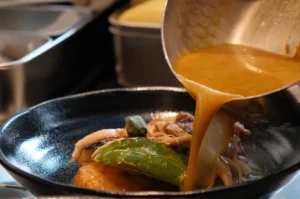
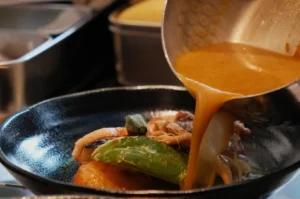
The vegetables in a proper Hokkaido soup curry are not an afterthought. Each piece, from bell pepper to potato to lotus root, is deep fried separately before it goes anywhere near the broth. Fried vegetables hold their structure and a faint crispness even after sitting in hot liquid, giving the bowl textural contrast a boiled vegetable cannot offer.
Tender chicken, usually on the bone, is simmered at medium heat until the meat pulls away easily but has not disintegrated into the broth. This gentle simmer, rather than a rolling boil, keeps the meat tender rather than stringy, and keeps the broth clear rather than cloudy.
The Magic Spice Blend Behind Sapporo Soup Curry
Every kitchen guards its own version of what regulars call the magic spice, a combination of garam masala, ground cumin, bay leaf and fresh ginger that gives Sapporo soup curry its signature warmth. Curry powder alone is rarely enough. Layering whole and ground spices at different points during the simmer produces the kind of aromatic broth people remember long after the bowl is finished, which is exactly why rice served separately gives the spice room to be the star of the bowl.
Soup Curry for Meal Prep and Everyday Comfort
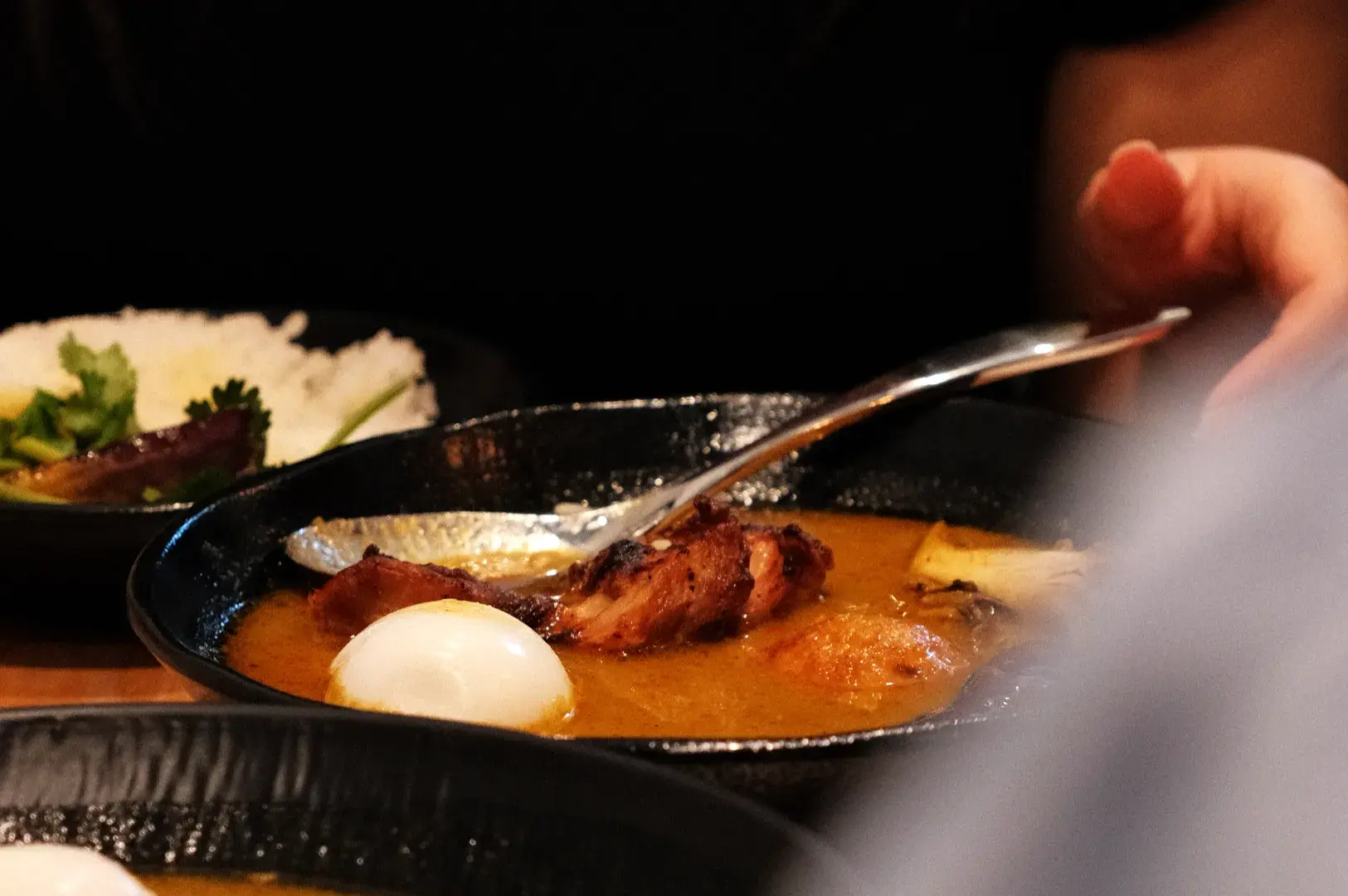
Soup curry is also, quietly, one of the better dishes for meal prep. Because the broth and rice are meant to be stored separately, the dish holds up far better across several days than a traditional curry rice would. The broth keeps its flavour and reheats gently without breaking down, while rice kept apart does not turn soggy the way it would if left soaking in sauce. We often hear from guests who portion broth and rice into separate containers for exactly this reason, so each reheated meal tastes close to fresh.
Adjusting Spice Level Without Losing the Balance
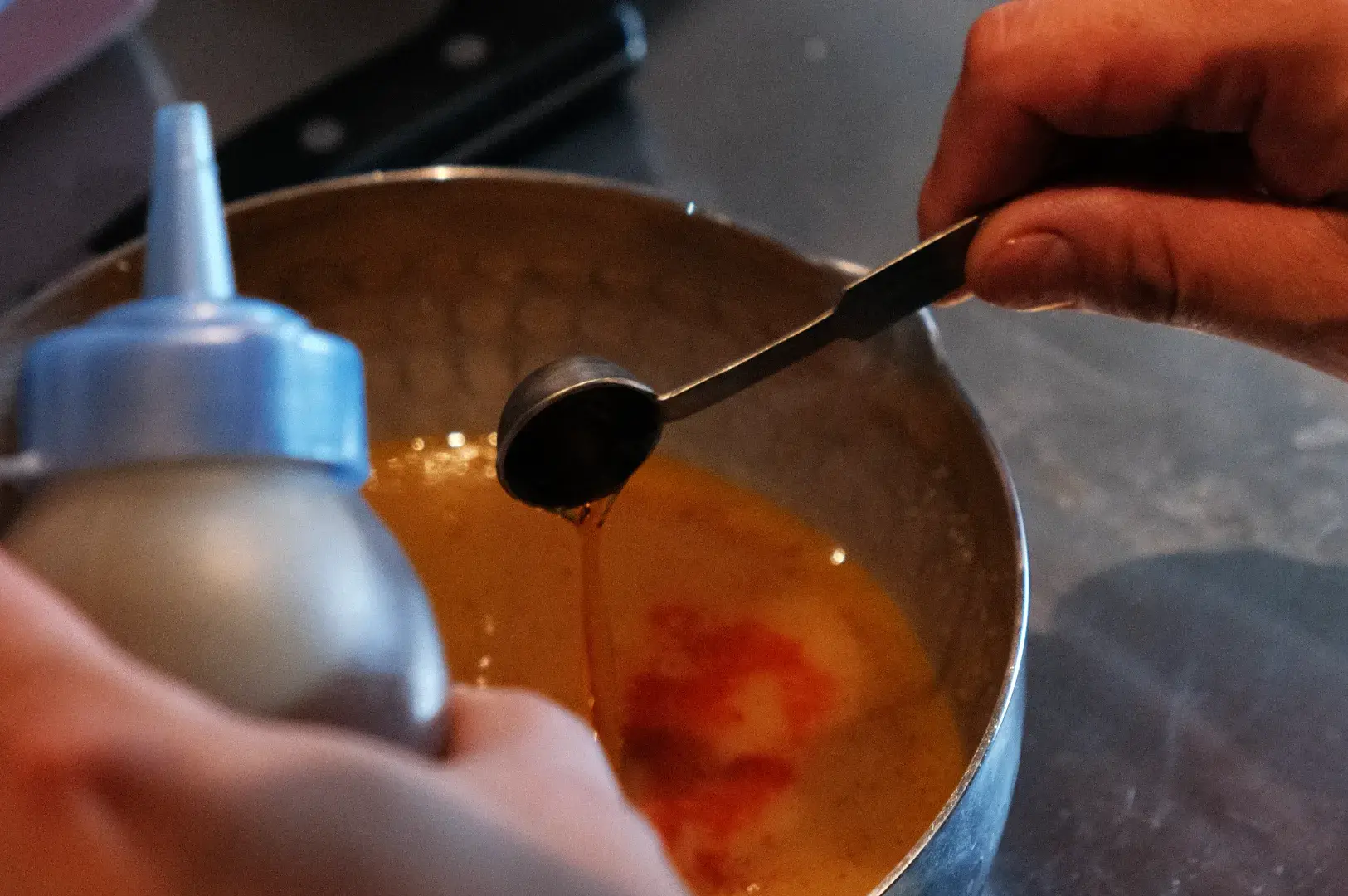
Spice level in soup curry is rarely about heat for its own sake. It is about how much chili and roasted spice the broth can carry before it overpowers the rice rather than complements it.
We build our broth over medium high heat at the start, searing onion, garlic and a touch of tomato before dropping to a long, gentle simmer. Rush that first stage and you risk burnt spices that turn bitter rather than warm. A careful hand with the oil and a pinch of salt keeps the base clean, so chili added later sits on top of a broth that can actually support it.
For guests who want more heat, a small amount of extra chili oil on the side lets them adjust bowl by bowl, while those who prefer a milder spice level still get a full, hearty bowl. Either way, the rice stays the constant, which is exactly why keeping it separate from the broth matters even more once spice enters the equation.
What Actually Goes Into the Pot
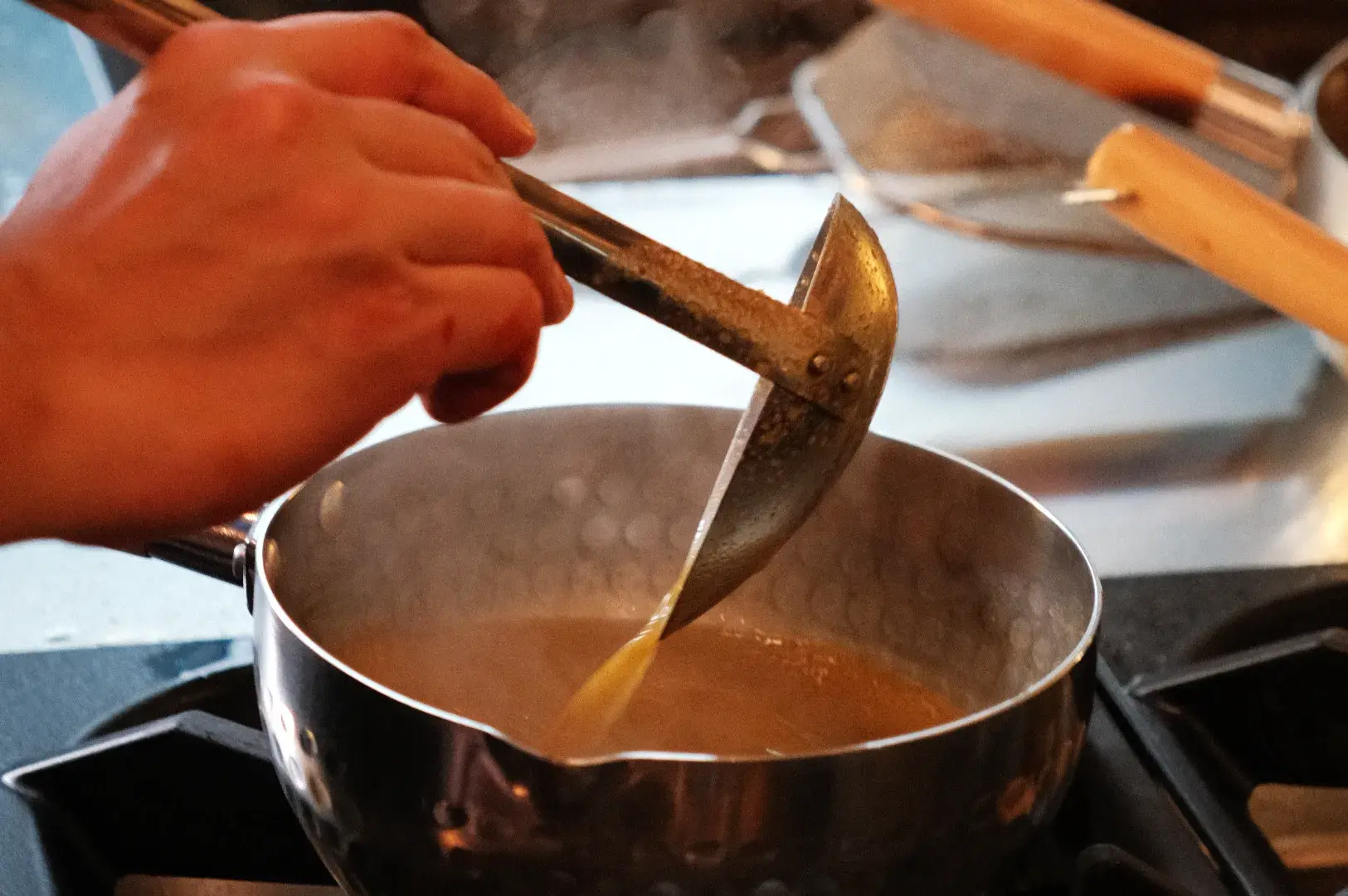
A proper soup curry recipe is built in layers long before rice enters the picture. Onion, garlic, carrot and tomato form the aromatic base, sweated down slowly into the chicken stock. Curry powder and the magic spice blend go in next, toasted briefly before the liquid is added.
Bone in chicken drumsticks go in for a long, gentle simmer, while the fried vegetables are cooked separately and added closer to serving time so they keep their bite. This staggered approach, rather than cooking everything in one pot from the start, is part of what makes the dish feel considered.
Many guests ask whether it can be made gluten free, and in most cases the answer is yes, since a well made broth relies on spice and stock rather than a flour based roux. A few specialty shops around the region stock the spice blends and pantry staples needed to get closer to an authentic result at home.
Toppings vary too: some diners add a little cheese for richness, others keep theirs lean, and pork appears on some menus as an alternative to chicken. Whatever the combination, the meal is meant to be eaten attentively, with each spoonful bringing a slightly different ratio of broth to rice depending on how the diner chooses to combine them.
Small Finishing Touches That Round Out the Bowl
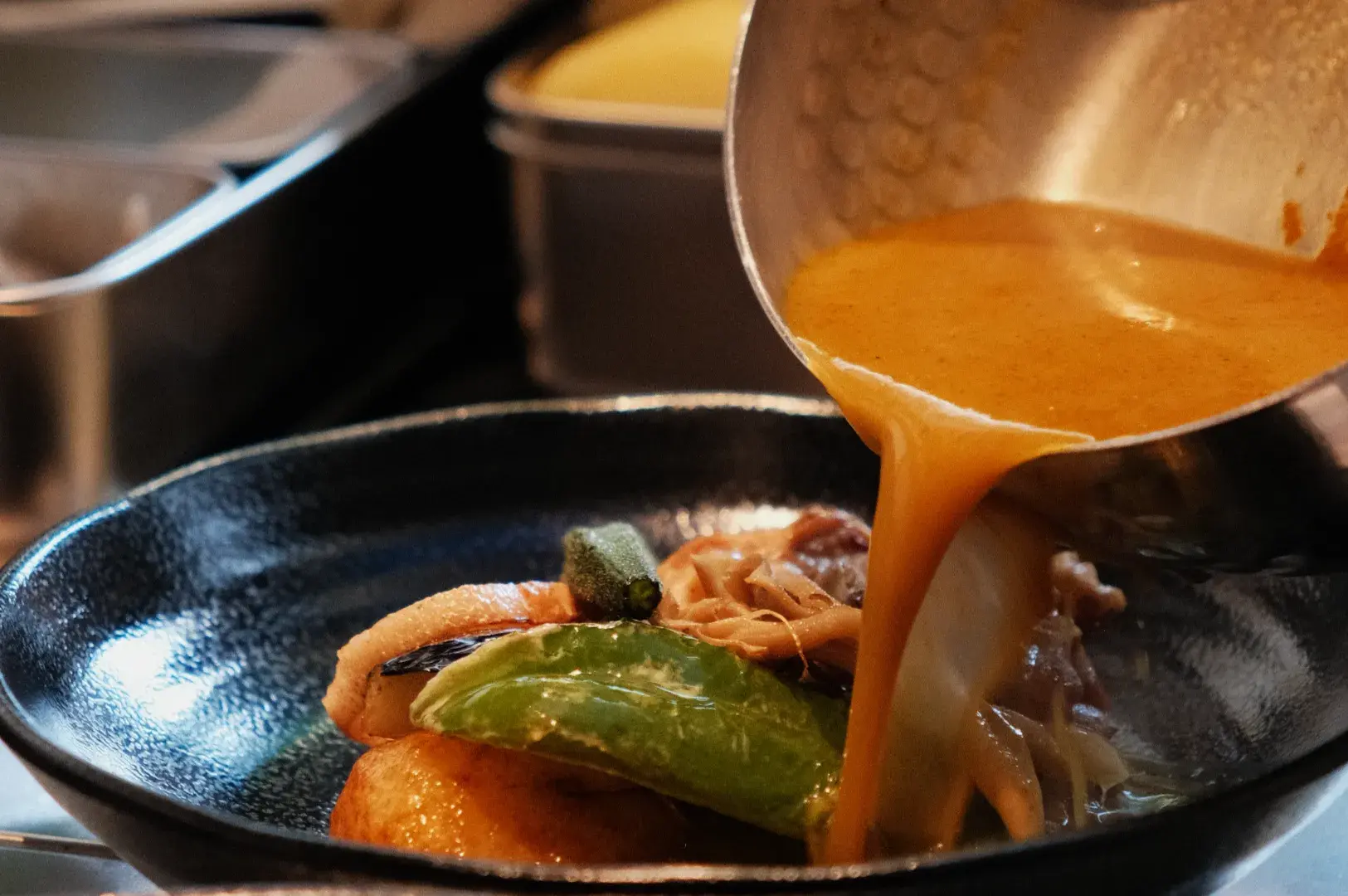
A few small additions can shift how the whole pairing tastes without changing the structure of the dish itself. A light dash of soy sauce, stirred into the broth just before serving, deepens the savoury base and gives the spice something to sit on top of, especially in a lighter vegetable forward bowl. It is not traditional in every household version of the dish, but it is common enough in Hokkaido kitchens that we understand why home cooks reach for it.
Deep frying remains the technique that ties the whole bowl together. Done properly, at the right temperature and for the right amount of time, deep frying seals in moisture so the tender meat and vegetables stay juicy once they hit the hot broth, rather than turning waterlogged. This is one of the quieter reasons the finished dish tastes as rounded as it does, and it is a step that is easy to rush at home if the oil is not hot enough to begin with.
None of these details exist in isolation. The broth, the frying, the spice blend and the rice all work together, and when each element is handled with care, the result is a bowl of food that feels complete rather than assembled. It is also why the rice pairing itself matters so much. Firm, neutral rice perfectly complements a broth this layered, giving the palate a place to rest between spoonfuls of tender meat, crisp vegetables and hot, aromatic liquid.
Why We Love Japanese Curry Culture But Keep the Bowl Separate
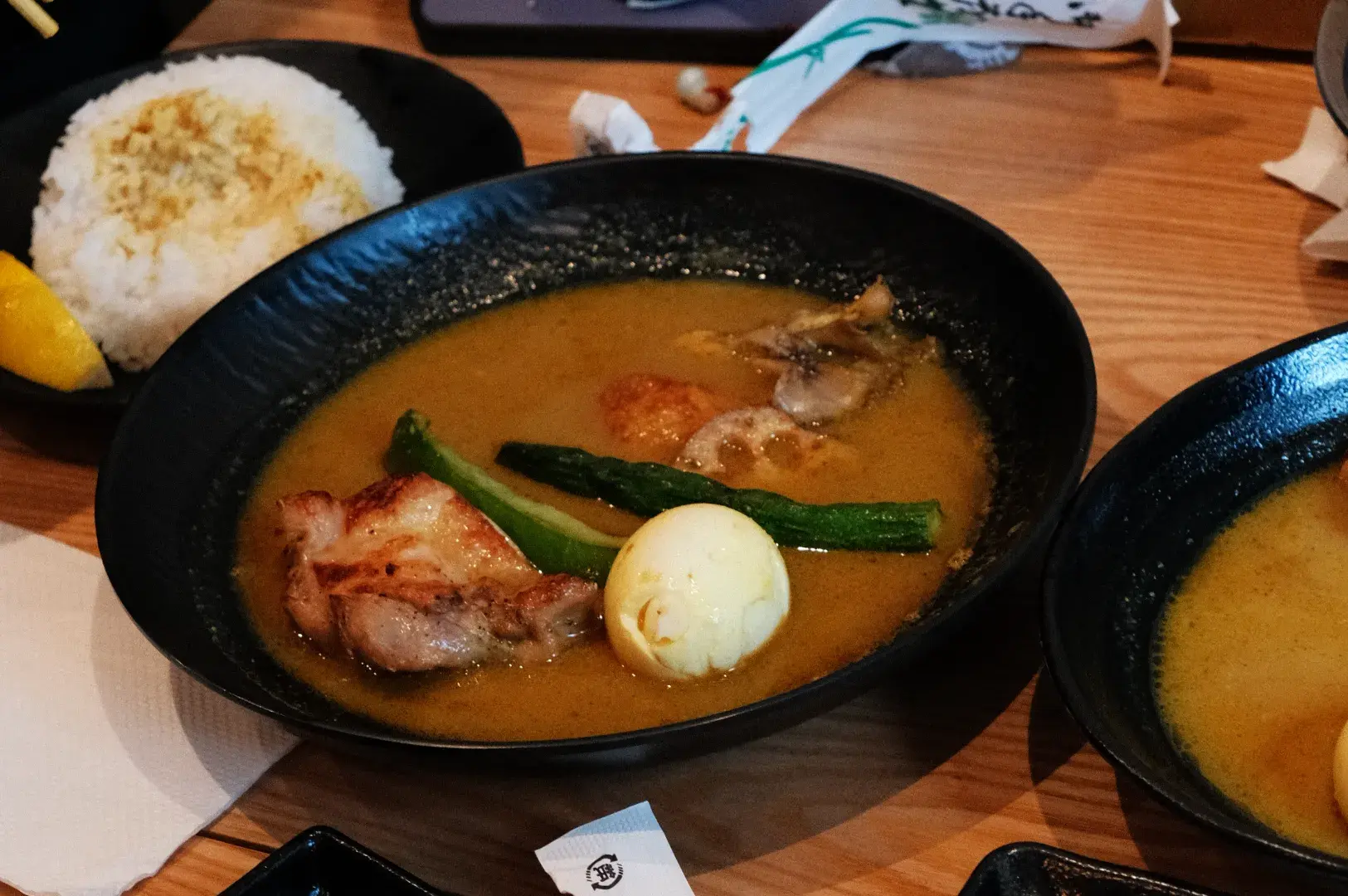
We love Japanese curry rice as much as anyone who grew up with it, and we understand its comfort completely. But soup curry asks something different of the diner, and that difference is worth protecting.
At Soup Curry by Ki-Setsu, we built our approach around this distinction, treating the rice separate presentation not as a stylistic flourish but as the reason the dish works at all. It is also why, from six in the evening, our space shifts into a cosier, izakaya style setting where the same care applied to the broth extends to the rest of the menu.
Bringing It All Together
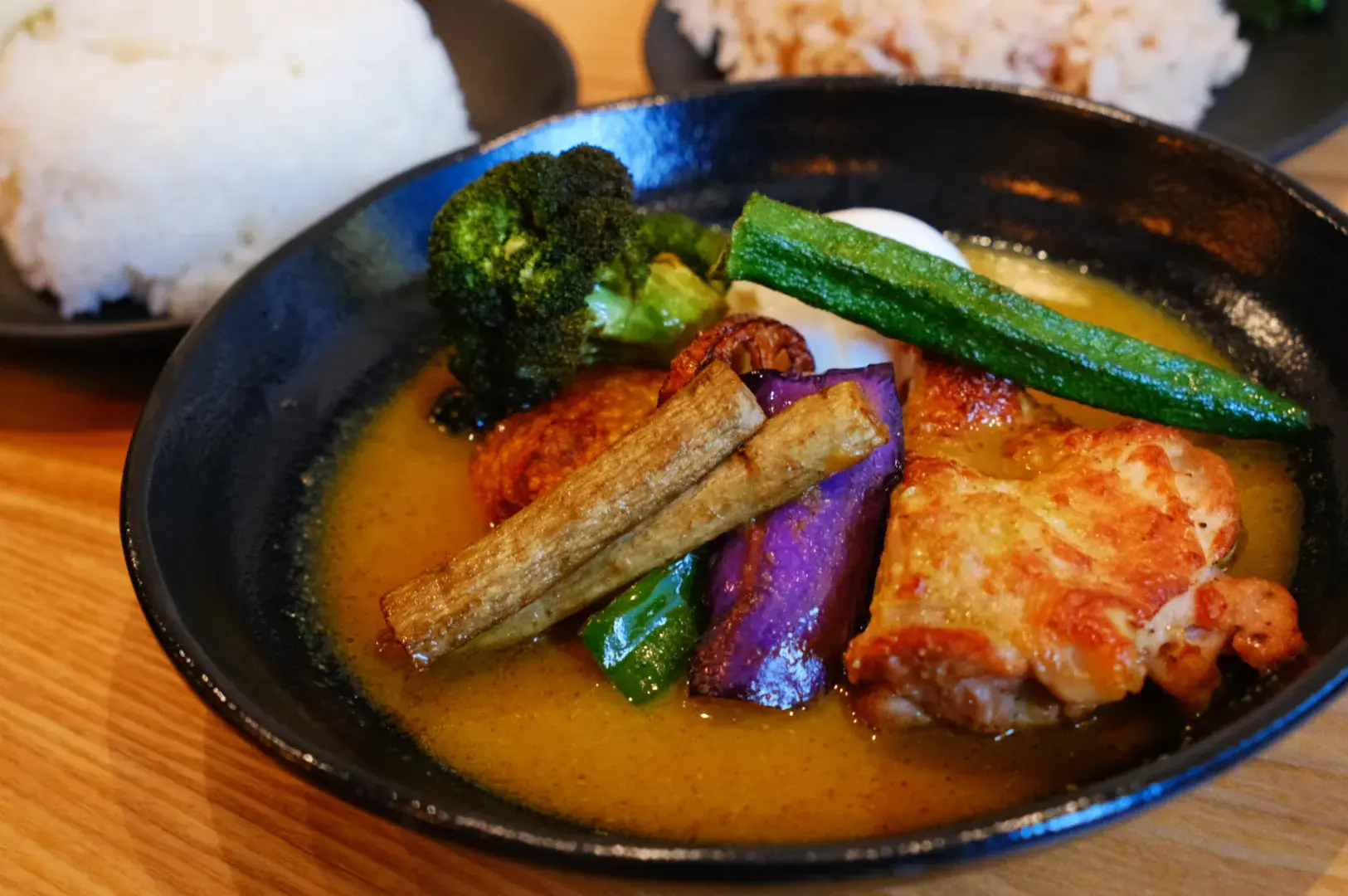
The soup curry rice pairing is not a formality borrowed from other curry dishes. It is a deliberate structure that protects texture, allows spice to shine and gives every diner control over how their bowl comes together, spoonful by spoonful. Once you understand why the rice stays on its own plate, it becomes far harder to go back to curry rice that arrives already mixed.