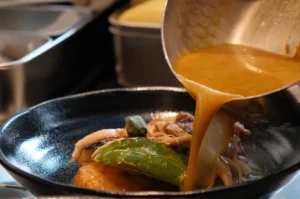
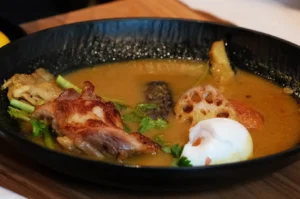
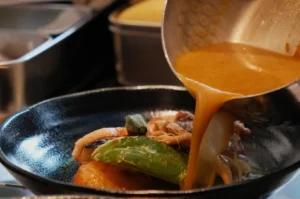
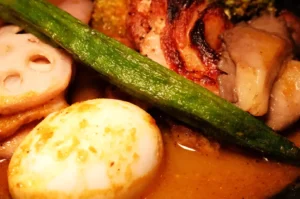
There is a moment that every soup curry enthusiast knows well: you lift your spoon, bring it to your lips, and a wave of warmth washes over you. The aromatic broth, the tender chicken, the vibrant vegetables. It is deeply comforting. But what truly elevates a great bowl of soup curry from satisfying to extraordinary is what goes on top of it. The best soup curry toppings are not afterthoughts. They are essential characters in the dish, each contributing something irreplaceable to the final experience.
At our restaurant, we take toppings seriously because soup curry is serious food. Rooted in the traditions of Sapporo soup curry, our bowls are built around a philosophy: every component earns its place.
Why Toppings Matter in Soup Curry
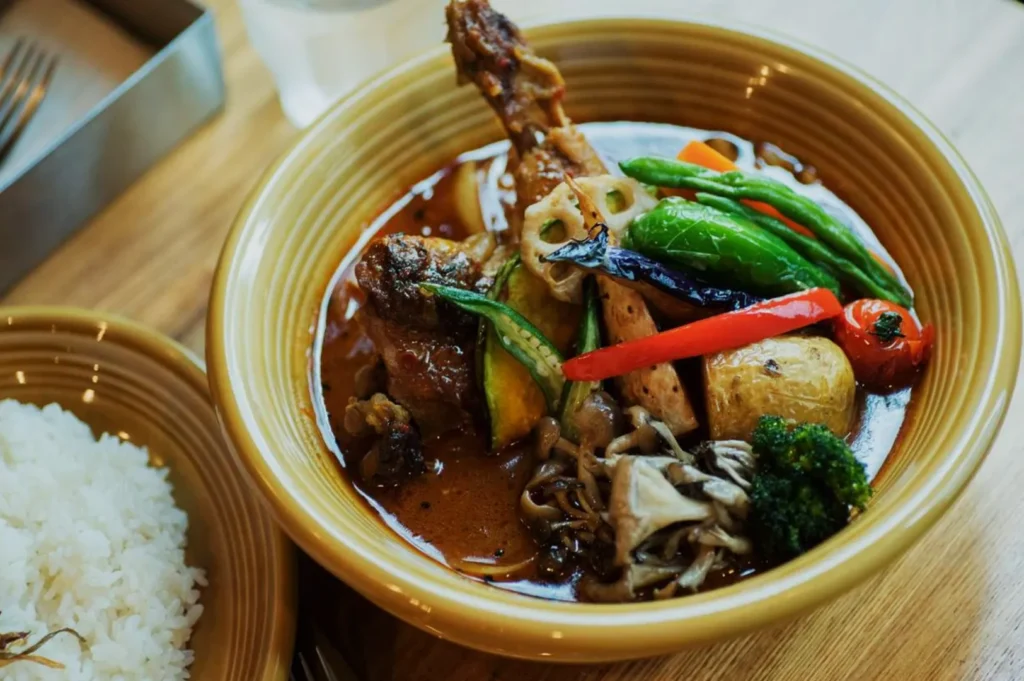
Unlike traditional Japanese curry, where everything is folded into a thick roux, soup curry is an open, expressive dish. The curry soup is light and deeply spiced, the steamed rice is served separately on the side, and the toppings sit proudly in the bowl, fully visible and distinct. This presentation means toppings do more than add flavour. They add texture, colour, drama, and depth.
The toppings also interact with the curry broth in a way that is unique to this dish. As you eat, each bite changes slightly depending on what you combine. A piece of deep fried lotus root dipped into the soup takes on a new character entirely. This interplay is what makes soup curry one of the most dynamic dishes in Japanese cuisine.
The Essential Deep Fried Vegetables
Bell Peppers
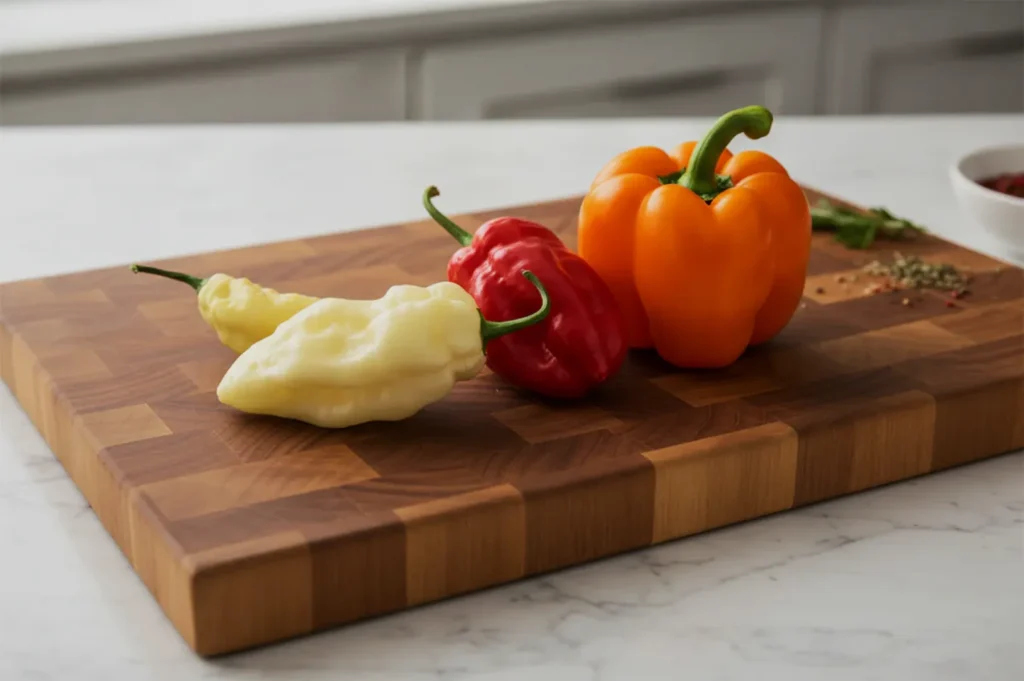
Bell peppers are among the most vibrant fried vegetables you can add to a soup curry bowl. Their natural sweetness deepens beautifully when flash fried using the Japanese su-age technique, a method that uses no batter and cooks at high heat to preserve colour and flavour. Red pepper varieties bring a gentle fruitiness that balances the warming spices in the curry soup, while green varieties add a pleasant earthiness. They go golden brown on the outside while staying tender within. We cut ours u
Lotus Root

Lotus root is one of the most beloved and visually striking toppings in authentic Hokkaido soup curry. When sliced and deep fried, its lacy cross-section becomes crispy and golden. It offers a satisfying crunch that contrasts beautifully with the soft, slow cooked elements of the bowl. The mild, slightly starchy flavour of lotus root is the perfect canvas for the bold, spiced curry broth. Dipping a crispy slice into the aromatic broth and watching it absorb the soup is one of those small, wonderful pleasures that makes soup curry such a memorable dish.
Aubergine and Potato
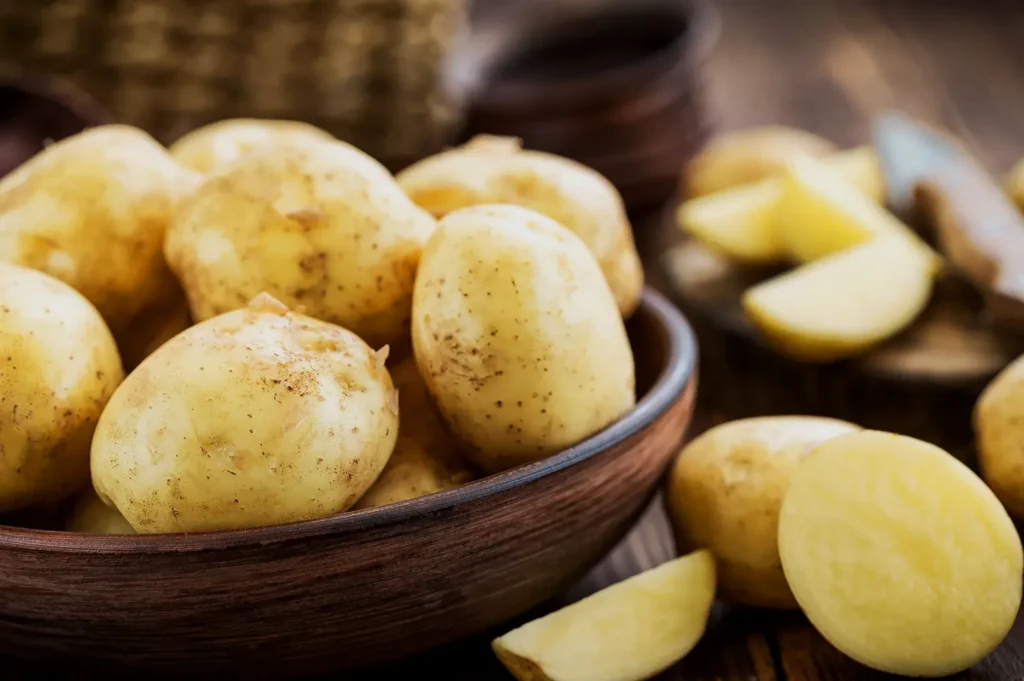
These two vegetables commonly found in Hokkaido cooking bring a heartiness to the bowl that is deeply comforting. Aubergine, when deep fried properly, becomes silky inside while its exterior turns nicely browned and slightly caramelised. Potato, cut into thick pieces and flash fried to fork tender perfection, adds substance and a gentle natural sweetness. Both soak up the curry soup beautifully when you push them beneath the surface of the broth.
Roasted Vegetables for the Ultimate Bowl
Not all great soup curry toppings involve the deep fryer. Roasted vegetables bring a different kind of depth. The dry heat of roasting concentrates sugars, deepens colour, and develops flavour in ways that no other cooking method quite replicates.
Kabocha Pumpkin and Kabocha Squash
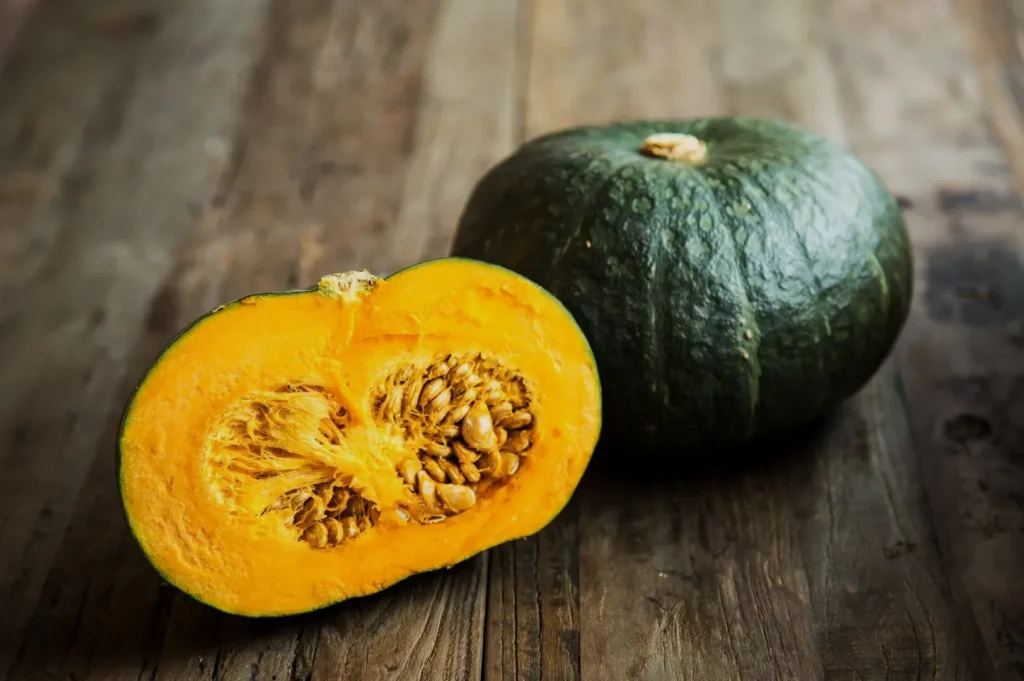
Kabocha pumpkin is one of the quintessential toppings of Sapporo soup curry. Its dense, sweet flesh roasts beautifully, turning golden and caramelised on the edges while remaining soft and creamy within. The natural sweetness of kabocha squash plays off the warming spices of the curry soup, particularly the garam masala and curry powder that define the soup base. Sliced in half lengthwise and roasted on a sheet pan before being placed into the bowl, kabocha brings colour, body, and a gentle sweetness that rounds out the heat.
The Centrepiece: Bone-In Chicken
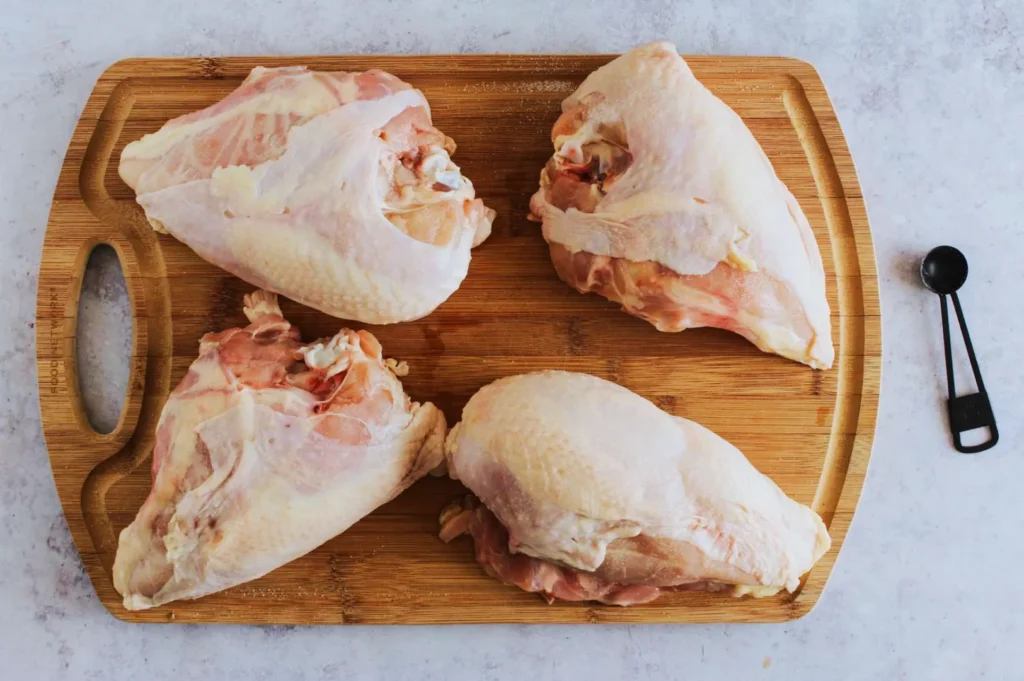
No discussion of soup curry toppings is complete without the chicken. In authentic Sapporo soup curry, bone in chicken is not merely a protein addition. It is the soul of the bowl. Slow cooked in chicken stock with garlic and ginger, aromatic spices, and a touch of soy sauce, the chicken becomes deeply tender and infused with flavour.
We use whole chicken legs, prepared so the meat practically falls away from the bone at the gentlest touch of a fork. The collagen released during the slow cooking process adds body to the curry soup, creating an aromatic broth that is richer than a simple vegetable stock alone could achieve. The skin, when prepared correctly, turns golden brown and slightly crisp, offering a textural contrast to the tender meat beneath.
This is the topping that anchors the bowl. Everything else plays in harmony around it.
Green Onions and Aromatic Finishes
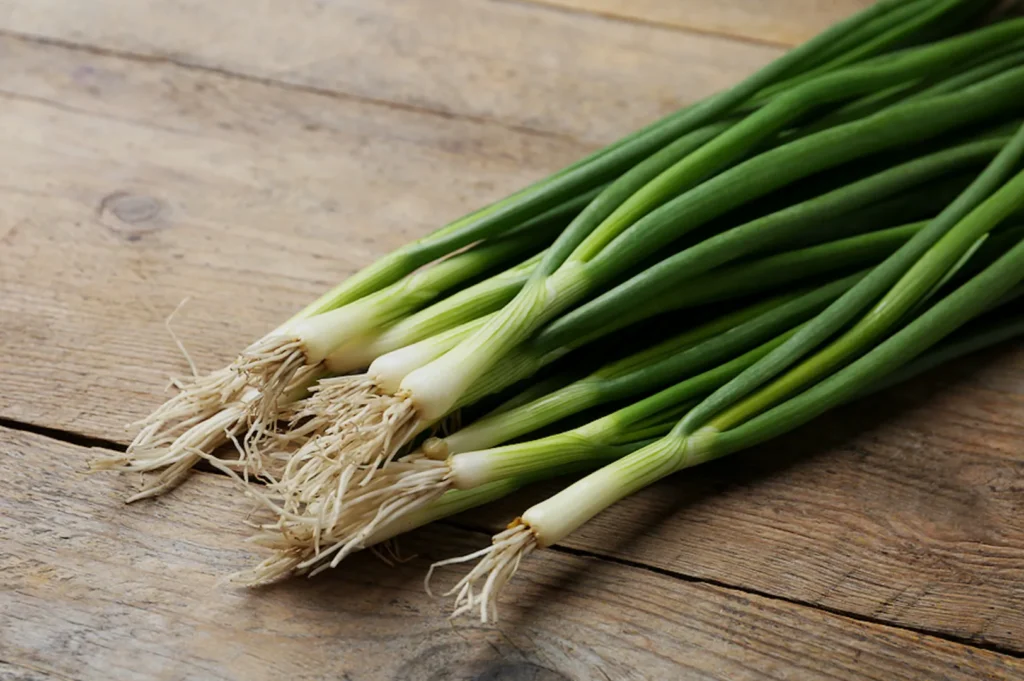
Once the core toppings are in place, the final touches matter enormously. Green onions, scattered across the top of a finished bowl, bring a fresh, sharp note that cuts through the richness of the curry broth. They are a small addition but one that lifts the entire dish. We never skip them.
A touch of chili peppers for those who enjoy deeper heat, a light drizzle of olive oil to bring the broth to a gentle shimmer, and a sprinkle of ground pepper to finish: these small additions transform a good bowl into a signature dish. At Soup Curry by Ki-Setsu, we believe the final presentation of a bowl tells you everything about the care that went into making it.
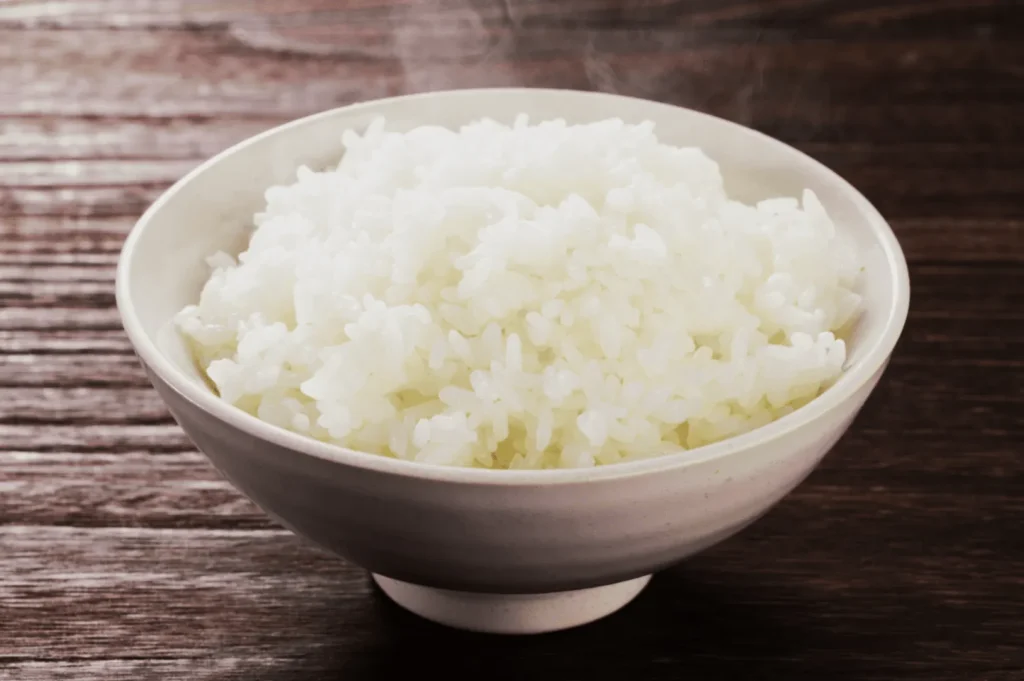
One of the most distinctive features of soup curry is that the steamed rice is served separately alongside the bowl rather than submerged within it. This is intentional. In Hokkaido dining culture, the rice is a tool, not just a side. You use it to control the intensity of each bite, dipping it into the curry soup to absorb flavour, or eating it plain between bites to rest your palate.
We serve ours in small individual serving bowls to preserve its texture and temperature throughout the meal. The contrast between fluffy, perfectly cooked steamed rice and the deep, spiced curry soup is one of the defining pleasures of this dish.
Selecting Your Toppings: Our Approach
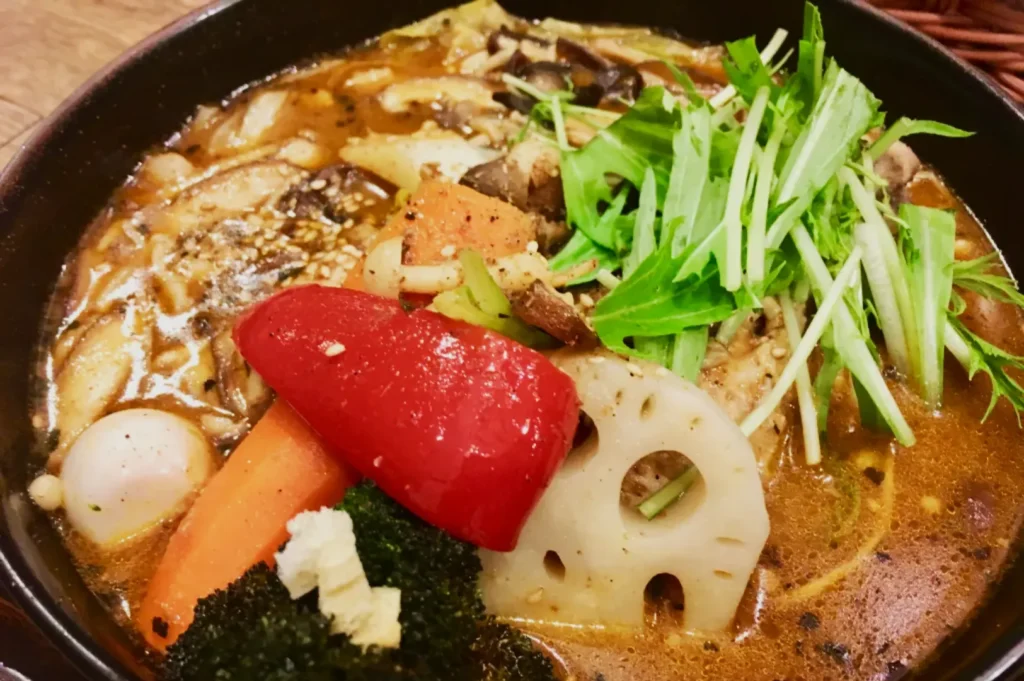
At our restaurant, we design our bowls so that the toppings are not chosen arbitrarily. Each selection is guided by balance: sweet against savoury, crisp against soft, bold against mild. When you look down at a completed bowl of soup curry from us, you should see a full range of colour, from the vivid red pepper and deep orange kabocha to the earthy brown of the chicken and the bright white of green onions. This visual harmony reflects flavour harmony.
For those new to the dish, we recommend starting with the classic combination of bone in chicken, bell peppers, lotus root, kabocha pumpkin, aubergine, and potato. These are the toppings that have defined authentic Hokkaido soup curry for decades. They are also available through Soup Curry by Ki-Setsu, where every component is prepared with the same care and technique used in Sapporo kitchens.
The Best Sapporo Soup Curry Toppings Start with Intention
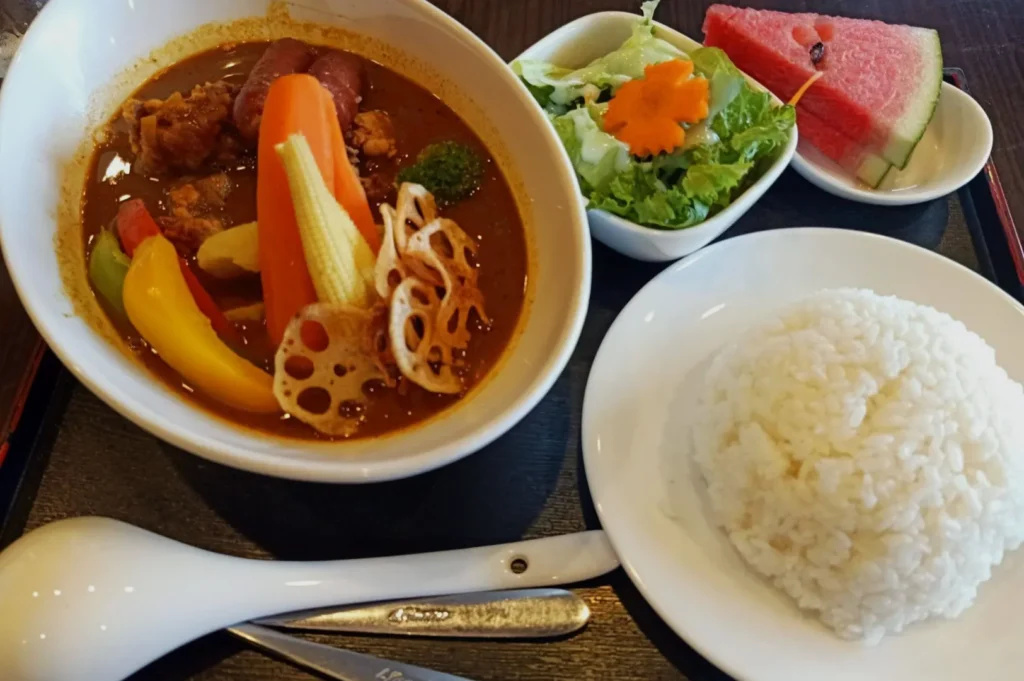
Choosing the best soup curry toppings is ultimately about intention. Each element you add to the bowl should contribute something meaningful: a texture, a flavour, a colour, a contrast. The deep fried vegetables bring crunch and vibrancy to the light curry flavored soup. The slow cooked chicken brings richness and depth to the flavorful soup curry broth made with a blend of Japanese curry powder and curry roux. The roasted vegetables bring sweetness and body, enhanced by the gentle simmer that melds the coconut milk and tomato paste into the light broth. The green onions and chili peppers bring brightness and life, perfectly complementing the curry rice served alongside.
Together, they create something that is far greater than the sum of its parts. That is the essence of soup curry. It is not a dish of shortcuts. It is a dish of craft, patience, and respect for every ingredient, from the careful use of a sauté pan and dutch oven to the precise cooking time and medium high heat needed for perfect results.
When you sit down to a bowl of our original soup curry, we want you to feel every one of those decisions in a single, warming spoonful, whether you’re enjoying it with curry udon or savoring the seasonal vegetables prepared with veggie stock and paper towels to maintain freshness.