There is a particular hour of the evening when the mood in a room changes. The toasts have been made, the initial rounds have been poured, and the noise of celebration begins to mellow into something quieter and more contemplative.
This is the moment when beer, so perfect for clinking glasses and marking occasions, starts to feel like the wrong drink for what comes next. What the body and the spirit crave in these later hours is something drier, cleaner, and altogether more grounding. This is where bone-dry sake and a steaming bowl of broth take over, and where the true meaning of late-night comfort reveals itself.
Why Beer Belongs to the Beginning of the Night
Beer is, by nature, a drink of festivity. Its carbonation and lightness make it ideal for celebration, for toasts, for the boisterous opening act of an evening out. It is sociable, effervescent, and built for clinking glasses across a crowded table. But as the night wears on, that same effervescence can start to feel heavy rather than refreshing.
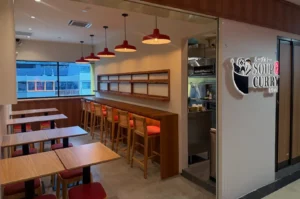
Many establishments lean on beer as the default pairing for every hour of the evening, regardless of how the mood has shifted. We take a different view. As the evening deepens, we believe the drink in your hand should deepen with it. This is part of why our restaurant embraces a dual identity, serving soup curry through the day before easing into a cosy izakaya atmosphere from 6pm onwards, where the drinks list and the food both shift in tone.
The Case for Bone-Dry Sake After Dark
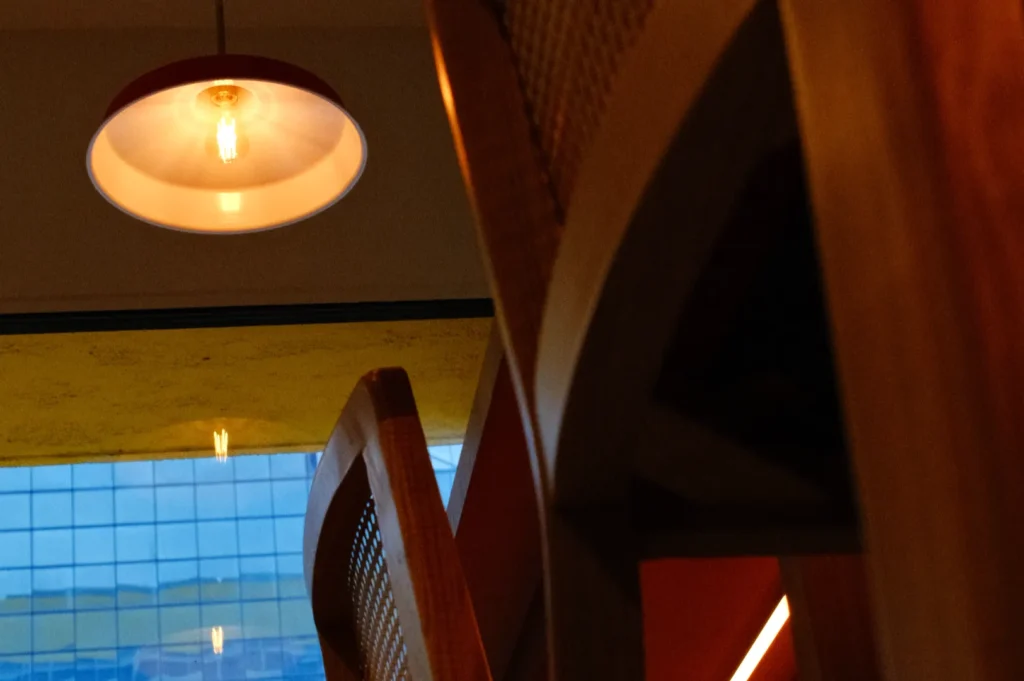
Bone-dry sake, known in Japanese as karakuchi, is a different creature entirely from the sweeter, fruitier styles that often introduce newcomers to the category. It carries a clean, almost austere finish, with little residual sugar to linger on the palate. This dryness is precisely what makes it suited to the later hours of the night.
Where beer fills you up and beer’s sweetness can compete with food, bone-dry sake clears the palate. Its subtlety allows the layered spices of a rich broth to come through rather than being masked. This is a quiet, considered kind of drinking, one that rewards attention rather than volume.
There is also a practical wisdom in choosing sake as the evening progresses. Its lower carbonation means less bloating, and its clean profile pairs remarkably well with warm, brothy dishes rather than fighting against them. For anyone who has ever felt weighed down after one too many pints, the shift towards sake in the later hours makes a great deal of sense.
Reading the Room: When to Make the Switch
Knowing when to move from beer to sake is something of an unwritten rule among those familiar with Japanese dining culture. Typically, the switch happens once the initial celebratory buzz has settled and conversation turns more personal, more reflective, or simply quieter. It is the moment when people lean in rather than raise their voices.
We often see this shift naturally occur among our evening guests. The first round might be beer, shared with enthusiasm, but by the second or third order, bone-dry sake begins to appear on the table, often alongside smaller, more considered plates rather than the heartier starters of earlier in the night.
Why Broth Becomes the Only Thing That Makes Sense
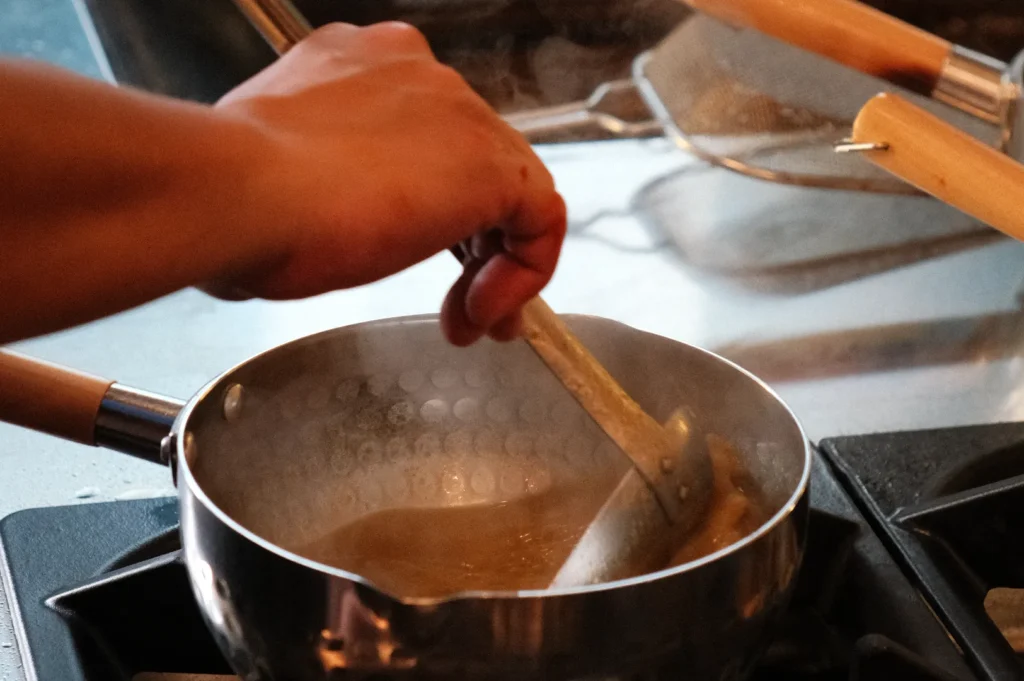
If bone-dry sake is the drink that suits the later hours, broth is the food that answers to it. There is a reason why so many cultures return to broth-based dishes when the night grows long, whether that is a bowl of noodle soup after a night out or a comforting stew before bed. Broth is warm, it is easily digestible, and it settles the stomach rather than sitting heavily within it.
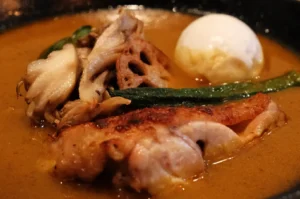
Our own approach to this centres on Hokkaido style soup curry, a dish built around a light yet deeply aromatic broth rather than the thick, flour based sauce found in many curry styles. The broth is simmered slowly, developing depth through caramelised onion, garlic, and ginger, before being layered with warming spices that awaken the senses without overwhelming them.
This lightness is precisely why it works so well at the end of an evening of drinking. A heavy, sauce laden dish can feel like too much after a few glasses of sake, whereas a clear, well balanced broth feels like exactly what the body has been asking for. It nourishes without weighing you down, and its gentle heat feels particularly comforting once the night has cooled.
The Ritual of Vegetables and Rice Alongside the Bowl
Part of what makes broth such satisfying late-night fare is the way it is served alongside other elements rather than drowning them. Vibrant, deep-fried vegetables such as bell pepper, lotus root, aubergine, and potato are prepared using traditional Japanese cutting and frying methods, preserving their individual colour, texture, and character rather than letting them dissolve into a sauce. Tender chicken sits within the broth itself, soaking in the aromatics without losing its own bite.
Steamed rice, served separately rather than swimming in the curry, allows each guest to control the balance of broth to grain, spoonful by spoonful. This structure mirrors the way sake itself is enjoyed, in small, deliberate sips rather than large gulps, and the pacing of the meal naturally slows to match.
An Evening That Moves in Two Acts

There is something quite beautiful about an evening that shifts in character as the hours pass. The first act, driven by beer and shared plates, gives way to a second act defined by sake and broth, quieter in tone but no less satisfying.
We built our own space with this rhythm in mind, transforming from a soup curry restaurant by day into a cosy izakaya setting once evening arrives, complete with small plates designed to accompany a slower, more contemplative style of drinking.
This is not a gimmick or a marketing device. It reflects a genuine belief, held closely at Soup Curry by Ki-Setsu, that different hours of the night call for different food and different drink. Just as you would not order a heavy dessert wine with breakfast, you should not expect beer and rich, saucy food to carry you gracefully into the small hours.
Comfort as the Final Word
Ultimately, what separates festive drinking from true late-night comfort is intention. Beer says let us celebrate. Sake and broth say let us slow down. Both have their place, but only one of them is built for the quiet, grounding close of an evening.
When the noise of the night settles and hunger returns in that particular, gentle way it does after drinking, a steaming bowl of broth paired with something bone-dry and clean feels less like a choice and more like an answer. It is warmth without excess, flavour without heaviness, and a fitting final note to an evening that began with celebration and ends with genuine comfort.
We welcome guests into this rhythm every evening, offering a space where the transition from festivity to comfort happens naturally, one bowl and one glass at a time.