There is a particular kind of energy that settles over Sapporo once the sun dips behind the mountains. Neon lights begin to flicker on, steam rises from ramen shops and stalls serving Hokkaido soup curry, and the streets fill with the low hum of conversation, laughter, and clinking glasses.
For anyone who has experienced Hokkaido nightlife traditions firsthand, it becomes clear quite quickly that this is not a culture built around quiet, understated evenings. It is a culture built around warmth, generosity, and above all, hearty food that fuels the night ahead.
We think about this often at our restaurant, where we bring the spirit of Hokkaido’s culinary heritage to Singapore. Understanding why food plays such a central role in Sapporo’s after dark culture helps explain why soup curry, ramen, and other rich, warming dishes have become inseparable from the region’s identity, both at home and abroad.
The Cold Climate Behind Hokkaido Nightlife Traditions
Hokkaido’s long, snowy winters are not incidental to its nightlife customs, they are the reason those customs exist in the first place. When temperatures drop well below freezing, as they often do in Sapporo, the idea of stepping into a warm, brightly lit izakaya or ramen shop after a night of drinks becomes less of a luxury and more of a necessity. This is one of the clearest explanations for why Hokkaido nightlife traditions revolve so heavily around food that warms from the inside out.
Locals do not simply drink and disperse. Instead, groups move from bars to snack bars to late night eateries, often ending the evening with a bowl of something hot before heading home through the cold. This rhythm has shaped the layout of the city itself, with warming food readily available in nearly every corner of the entertainment district.
A Typical Evening Out in Sapporo
For visitors unfamiliar with how a night in the city tends to unfold, the rhythm usually follows a familiar pattern. A typical evening might include:
An early drink at a bar or brewery, often paired with small plates to take the edge off the cold
A stop at one of the major entertainment districts for karaoke, dancing, or simply people watching along the neon lit streets
A visit to a nightclub or lounge for those looking to stay out later, often accompanied by a large group of friends
A late night bowl of ramen or soup curry once the drinking slows down, chosen specifically for its warmth and substance
A final stop for a shime parfait or similar sweet treat, marking the unofficial close of the evening
This structure is not rigid, and plenty of locals skip a step or add their own variations, but the pattern reflects how deeply food and drink are woven together in Hokkaido nightlife traditions. Few evenings in Sapporo end without at least one proper meal, regardless of how the rest of the night has gone.
Sapporo Beer and the Culture of Communal Drinking
No discussion of nightlife in this region would be complete without mentioning Sapporo beer, a name so closely tied to the city that it has become shorthand for the local drinking culture itself. Bars across Sapporo pour it alongside local sake, whisky, and a growing selection of cocktails, but beer remains the drink most associated with the communal, easygoing spirit of a Hokkaido evening.
What makes the pairing of Sapporo beer with food so significant is the way it sets expectations for the rest of the night. A cold beer at the start of the evening is almost always followed by something substantial, whether that is grilled Genghis Khan lamb, fresh seafood, or a bowl of ramen noodles. The drink opens the evening, but the food is what sustains it.
Susukino: The Heart of the City After Dark
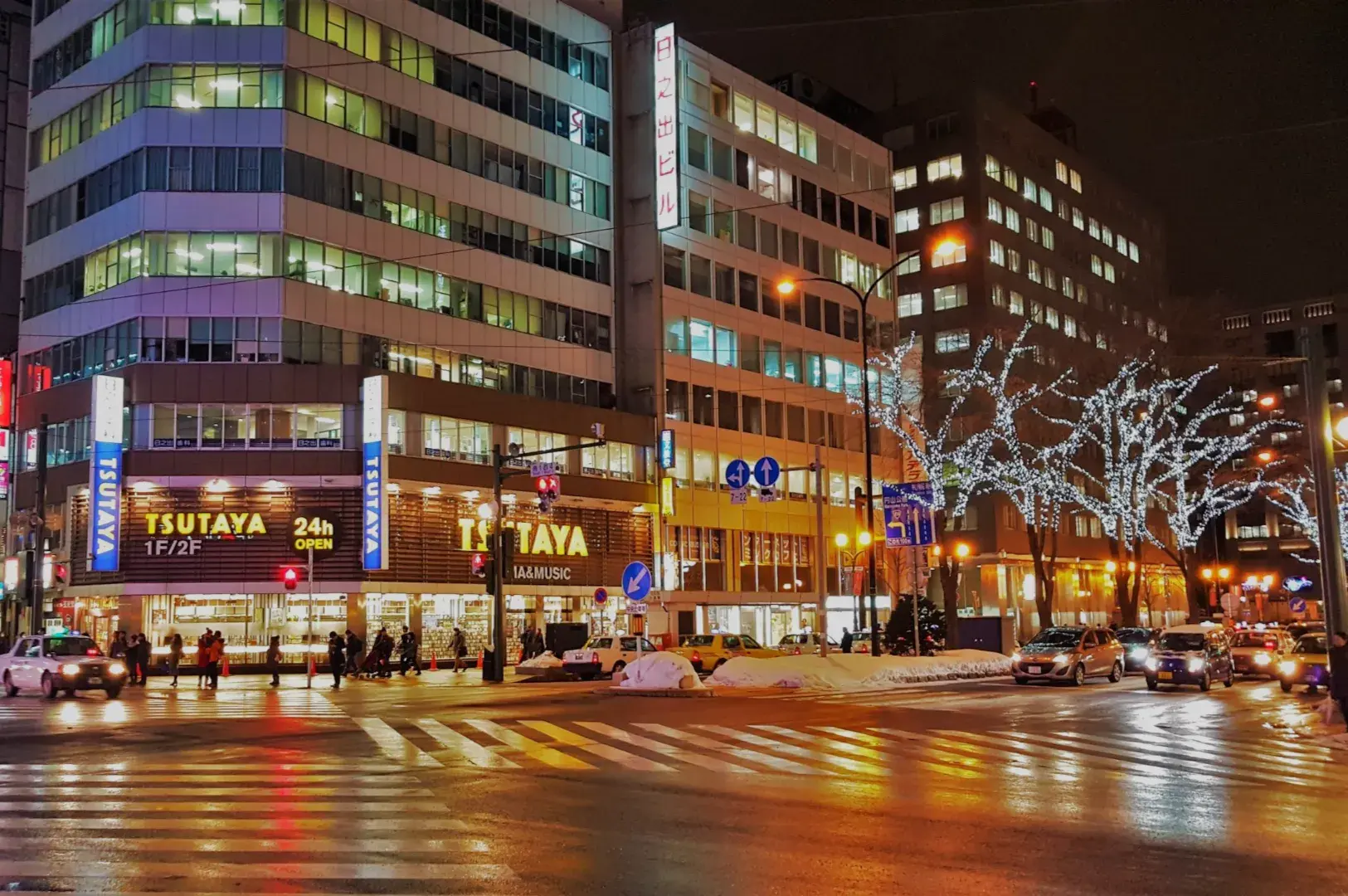
If there is one area that captures the full scope of Hokkaido nightlife traditions, it is Susukino. Known as one of Japan’s largest and most concentrated major entertainment districts, the Susukino area is where visitors and locals alike gather for everything from karaoke and nightclubs to quiet drinks in tucked away bars. Neon lit streets stretch in every direction, packed with restaurants, clubs, and shops that stay lively well past midnight.
Susukino’s reputation extends beyond its dance floors and sound systems. It is also home to some of the city’s most celebrated food destinations, making it the natural meeting point between Sapporo’s nightlife and its culinary identity.
Susukino Ice World and Festival: Where Winter Wonder Meets Nightlife
During the colder months, Susukino Ice World transforms the district with illuminated ice sculptures lining the streets, running alongside the broader Sapporo Snow Festival to create something between a winter wonderland and a bustling social hub.
Walking through the glow of the sculptures reflecting off the snow and neon signs overhead, it becomes obvious why so many visitors describe their trip to Sapporo as an unforgettable night, the cold air only heightening the appeal of stepping into a warm restaurant afterwards for something rich and comforting.
Beyond winter, the Susukino Festival brings its own energy to the district, celebrating the area’s identity as the beating heart of Sapporo’s nightlife. These seasonal events reflect how the city has preserved its history while adapting to present day tastes, blending traditional izakaya culture with newer additions like hip hop clubs and modern sound systems catering to a diverse range of musical preferences.
Ramen Alley and the Ritual of the Late Night Bowl
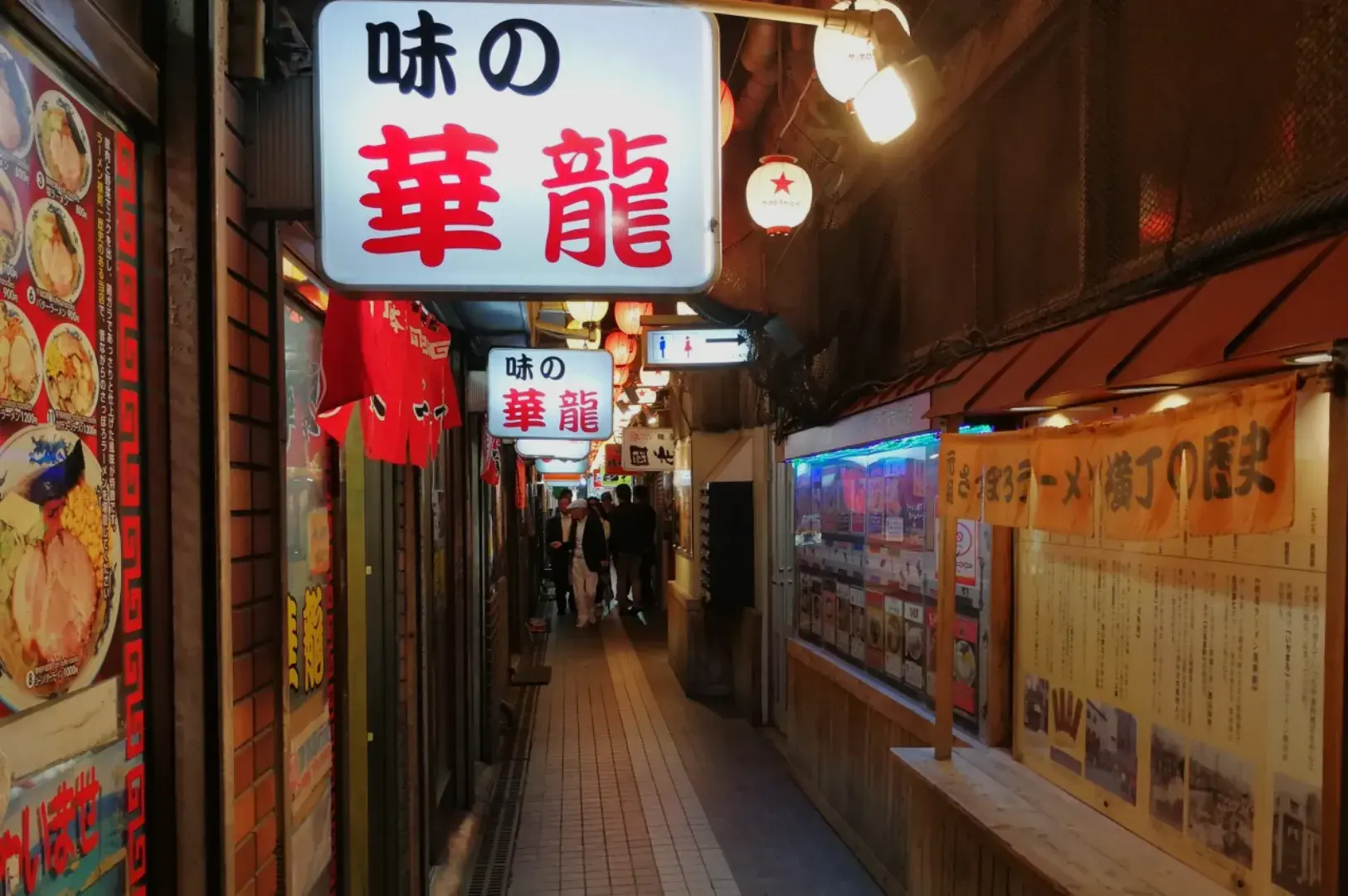
Tucked within Susukino is a narrow lane known to locals and tourists alike as Ramen Alley. This tightly packed stretch of ramen shops has become something of a pilgrimage site for anyone exploring Sapporo’s food culture, and it plays a defining role in how the city’s nightlife unfolds.
Miso ramen, in particular, is considered a Hokkaido speciality, and many argue that no trip to Sapporo is complete without trying it. The rich, savoury broth, often loaded with local vegetables, corn, and butter, is precisely the kind of hearty meal that makes sense after hours of drinking and dancing in the cold. Ramen alley exists almost as a natural extension of the nightlife itself, positioned close enough to the bars and clubs that hungry guests can wander in at nearly any hour.
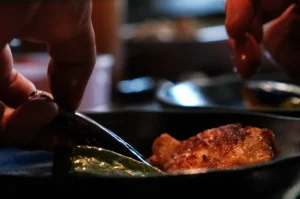
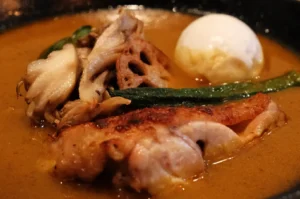
This is where the philosophy behind soup curry becomes relevant. Much like miso ramen, soup curry shares that same warming, comforting quality, built on a base of rich broth and generous portions of vegetables and protein. It is not difficult to see why both dishes have become so central to how Sapporo eats after dark, offering the kind of nourishment that a quick snack simply cannot match.
Hidden Gems Beyond the Main Strip
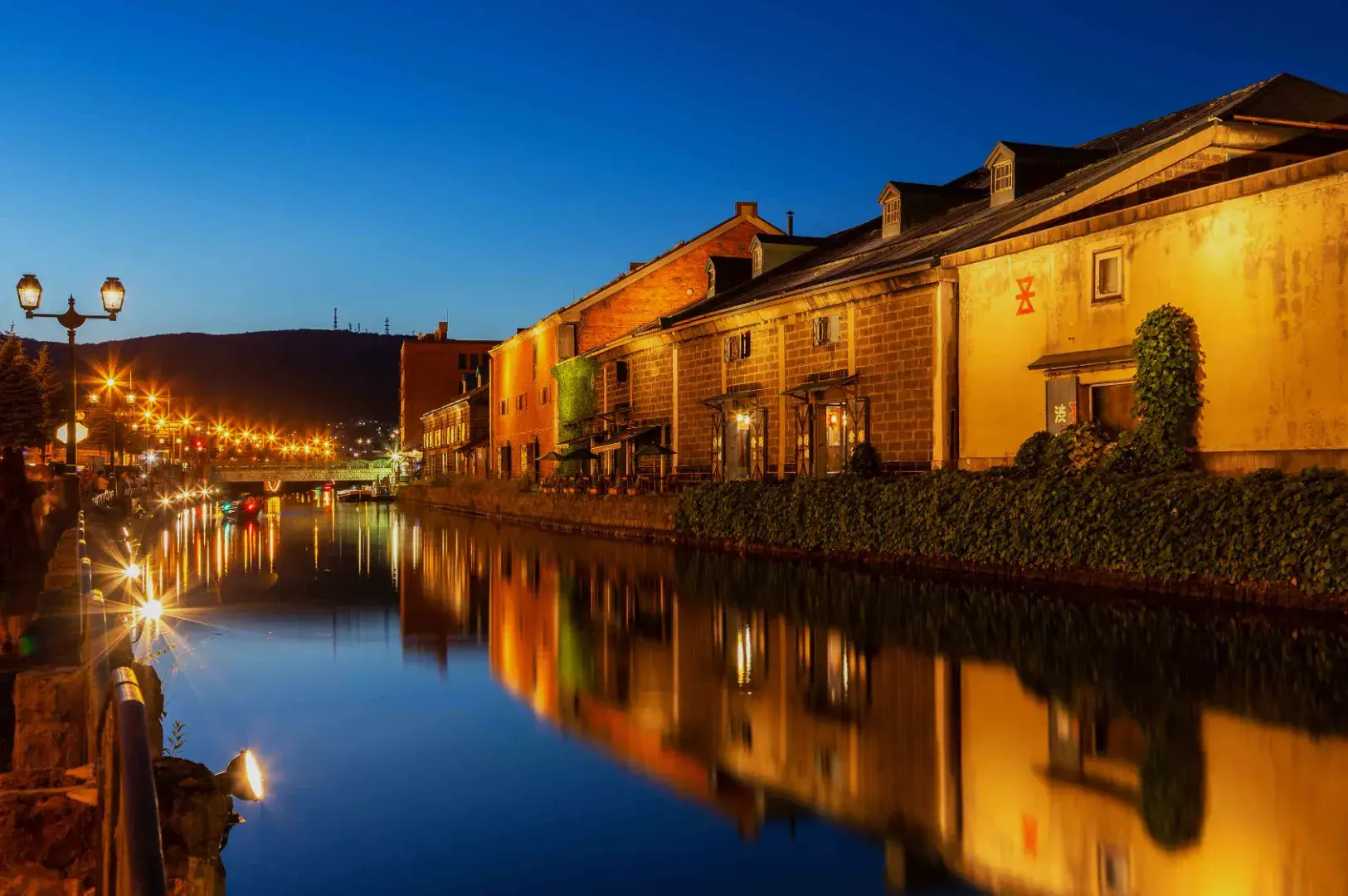
While Susukino draws the largest crowds, some of the most memorable experiences come from the hidden gems scattered just beyond the main entertainment district. Smaller bars tucked down side streets, family run breweries, and unassuming restaurants serving fresh seafood or local specialities often provide a more intimate glimpse into how locals actually spend their evenings.
Guided tours have become increasingly popular for visitors hoping to uncover these hidden gems, offering a curated look at the bars, izakaya, and food stalls that do not always appear in typical guidebooks. For those planning a trip to Hokkaido, seeking out these lesser known spots often results in a more authentic understanding of the region’s nightlife than sticking exclusively to the busier streets.
Shime Parfait: Sapporo’s Sweet Answer to a Long Night
Perhaps one of the more surprising Hokkaido nightlife traditions is the Shime Parfait, a dessert specifically designed to close out an evening of drinking. Unlike the ramen or soup curry that typically follows a night out, the Shime Parfait leans into something sweeter, combining fruit, ice cream, and other treats into a single indulgent dish.
The tradition began as a way for bars to offer something lighter than a full meal for guests looking to end the night on a different note, and it has since grown into its own cultural phenomenon. Many bars in Sapporo now specialise almost exclusively in these late night parfaits, giving visitors yet another reason to explore beyond the more obvious food stops.
Bringing Hokkaido Nightlife Traditions to Singapore
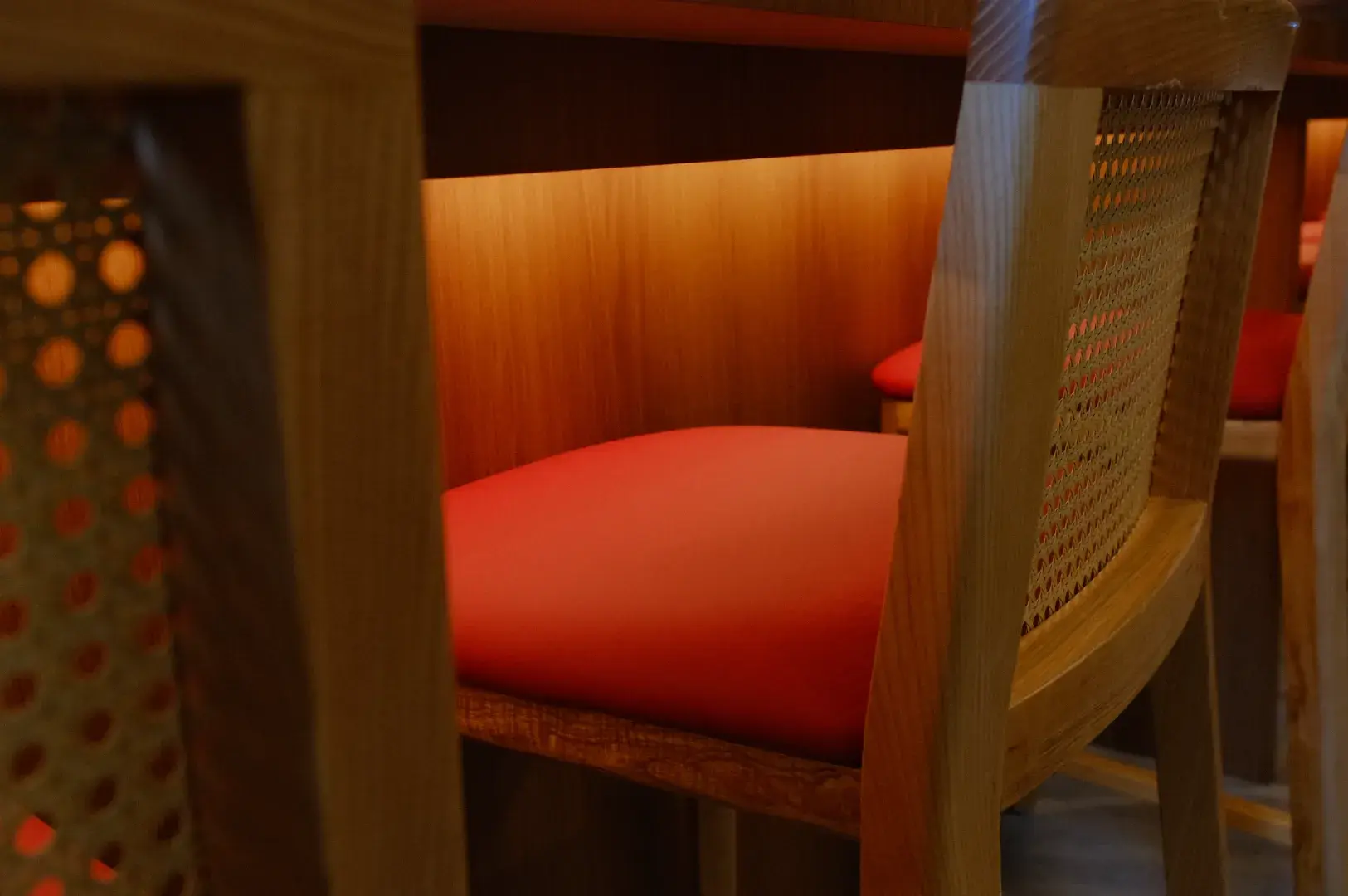
For those unable to make the journey to Sapporo, the spirit behind these traditions is not entirely out of reach. The same warmth, the reliance on rich broths, and the idea that a good meal can anchor an evening have found their way to Singapore through establishments dedicated to recreating that experience.
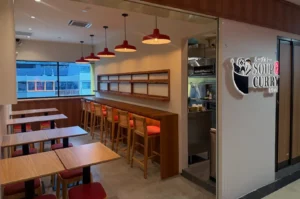
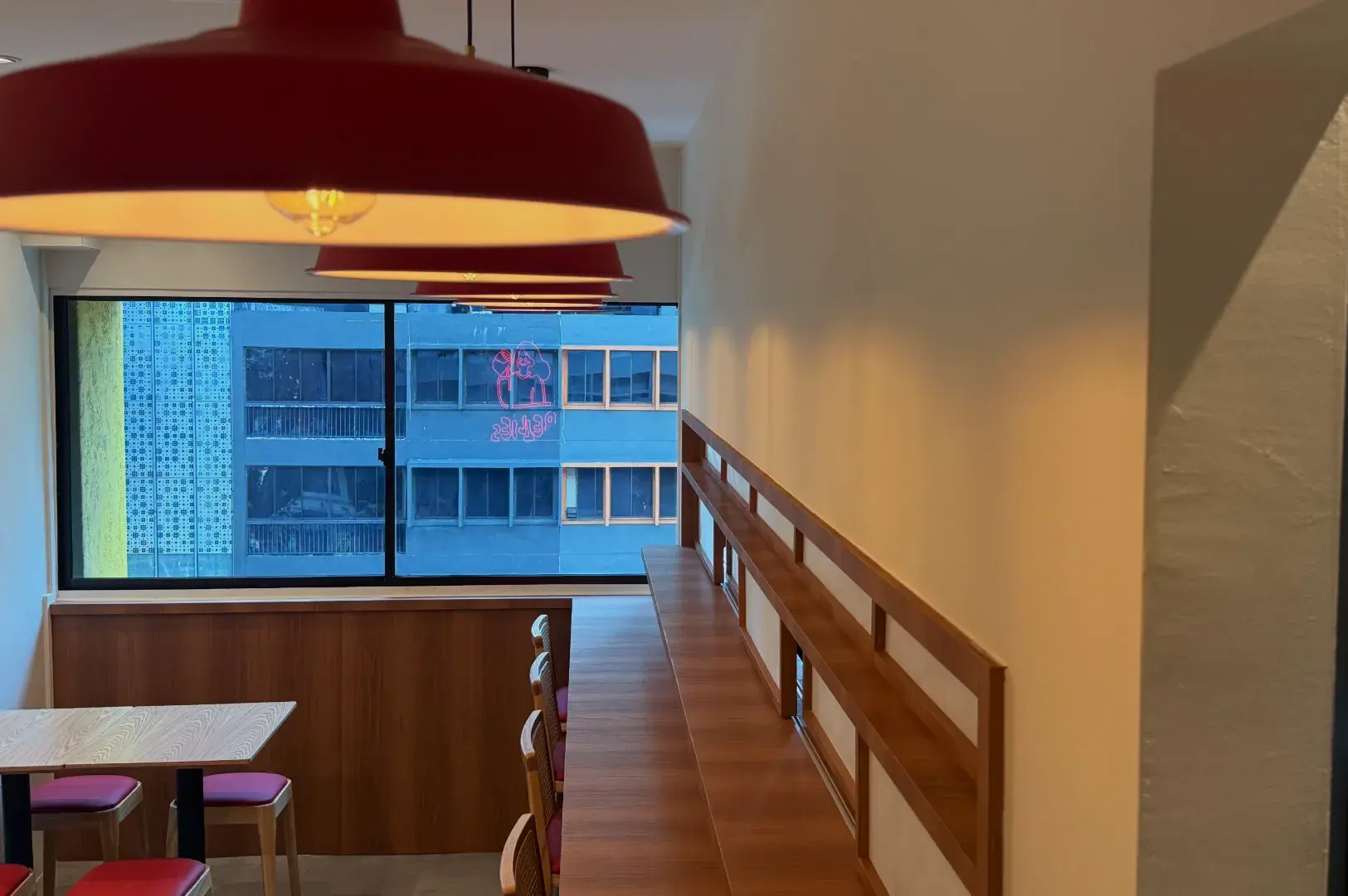
Our restaurant was built with this transition in mind, taking the comfort and soul of Hokkaido’s food culture and adapting it for a Singaporean audience without losing what makes it distinct. From six in the evening, our space shifts into a more relaxed, izakaya style setting, echoing how Sapporo’s own venues transform once the sun goes down.
This is not an attempt to replicate Hokkaido’s nightlife scene exactly, since the scale and setting differ. Rather, it is about carrying over the underlying philosophy, that food should be the centrepiece of any evening out, and that warmth, in temperature and in hospitality, matters more than spectacle.
Why Food Remains the True Centre of Sapporo’s Nightlife

What ties all of these elements together is a shared understanding that a night out in Hokkaido is never just about the drinks or the venues. It is about the entire experience, one that is deeply tied to nature, culture, and the region’s unique ingredients.
That understanding is exactly what we have tried to carry over to Singapore. Our restaurant, known as Soup Curry by Ki-Setsu, was not built to simply serve a dish, but to bring over the same spirit that makes Hokkaido nightlife traditions so distinctive, the belief that a proper meal, rich and generous, is what gives an evening its meaning. Every bowl we prepare, from the vegetables to the broth, is our way of keeping that connection alive here.
For anyone curious about Hokkaido nightlife traditions, the takeaway is simple. It was never really about the bars or the neon lights alone, but about the food that brought people together at the end of the night. That is the same idea we hope to share with every guest who walks through our doors, a small taste of Sapporo’s warmth, right here in Singapore.