There is a particular hour when a dining room stops behaving like a restaurant and starts behaving like something else entirely. The lighting softens, the pace of service slows, and the food itself begins to speak a different language. This shift, what we think of as the izakaya evening transition, is not simply a change in menu. It is a change in intention, in rhythm, and in the very purpose of the meal.
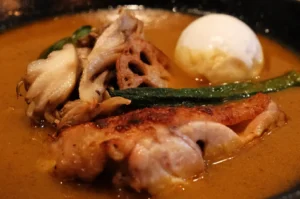
We have spent a great deal of time thinking about this moment because our own space undergoes it daily. By day, we serve rich, comforting Hokkaido soup curry. Once evening falls, the room reorganises itself around a different idea entirely, one rooted in izakaya culture, shared plates, and the unhurried pleasure of eating alongside friends. Understanding what actually changes during this transition tells us a great deal about Japanese dining as a whole.
The Izakaya Evening Transition Begins With Atmosphere
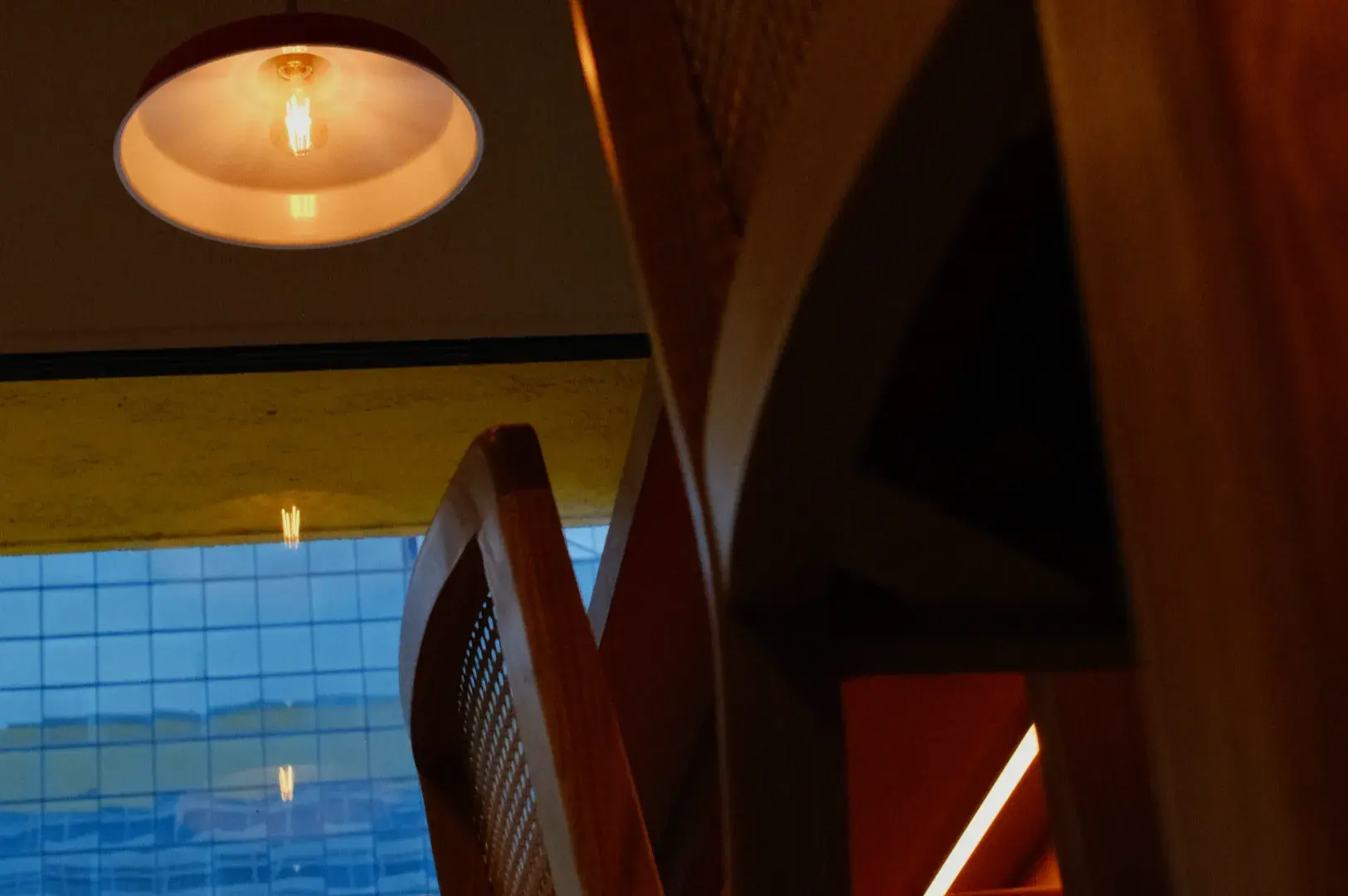
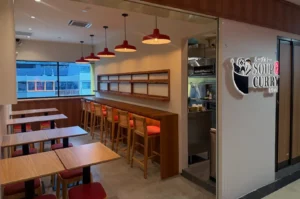
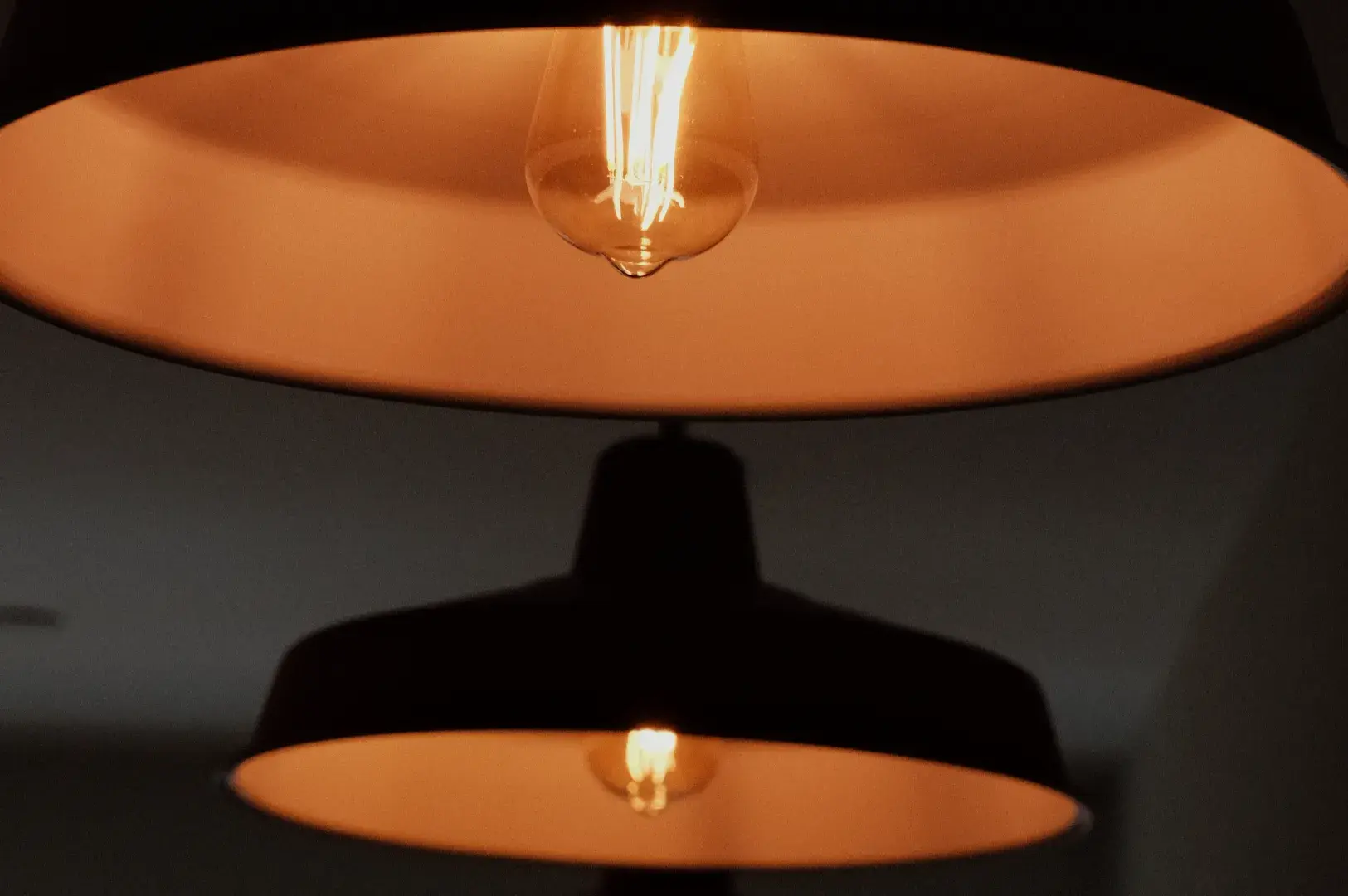
Before a single dish changes, the room itself starts to feel different. Lighting is dimmed. Music, if there is any, becomes quieter and warmer. Staff who moved briskly during lunch service begin to slow their pace, allowing conversations to breathe rather than rushing guests toward the next course. Unlike a formal dining room, where every element is fixed from the moment the doors open, a true japanese izakaya allows the room to soften gradually, creating an inviting mood that builds as the evening goes on.
Noren Curtains and the Signal of a New Mood
In many venues across Japan, the arrival of evening is marked by something as simple as hanging noren curtains across the entrance. These fabric dividers, often dyed in deep indigo or muted earth tones, are more than decoration. They are a quiet announcement that the space inside has shifted into something more relaxed and more intimate. Guests who walk beneath them understand, almost instinctively, that they are entering a different kind of meal, one where a quiet corner and a shared plate matter more than speed.
This visual cue matters because Japanese culture places enormous weight on the idea that a space can hold multiple identities depending on the time of day. A counter that served quick, efficient lunches can, by six in the evening, become a place where strangers strike up conversation over a shared plate of grilled skewers and a cold glass of something crisp.
Japanese Culture Shapes the Rhythm of the Evening

To understand the izakaya evening transition, it helps to understand why Japanese culture treats the evening meal so differently from lunch. Lunch, in most cities, is transactional. It is eaten quickly, often alone, and rarely lingers past the hour it takes to finish a bowl. Dinner, particularly in an izakaya setting, is treated as a social ritual rather than a functional necessity.
From Quick Meals to Slow Conversation
The pace itself is the first thing to change. Where a lunchtime crowd might eat in twenty minutes and leave, an izakaya evening unfolds across hours. Dishes are ordered gradually rather than all at once. A round of yakitori might arrive, followed some time later by sashimi, followed later still by something grilled over charcoal.
This slow release of food is deliberate. It gives guests room for conversation, for storytelling, and for the kind of unhurried company that a formal sit down meal rarely allows. Many guests prefer this pace precisely because it leaves space to swap stories, catch up properly, and let friendships deepen over the course of a few hours rather than a few minutes.
We see something similar in our own evenings. Once the transition begins, the goal is never to move guests through quickly. It is to give them a reason to stay, to order one more small plate, and to let the night stretch a little longer than planned. Guests who arrive with a simple craving for something warm often leave having built a small ritual out of the evening itself.
Japanese Cuisine and Japanese Food Take a Different Shape at Night

The transition is not only atmospheric. The food itself changes character. Japanese cuisine at lunch tends to favour single bowl meals, efficient and satisfying on their own. Japanese food after dark, particularly within an izakaya framework, becomes fragmented on purpose, spread across many small dishes rather than concentrated into one.
Fresh Seafood, Grilled Skewers and Shared Plates
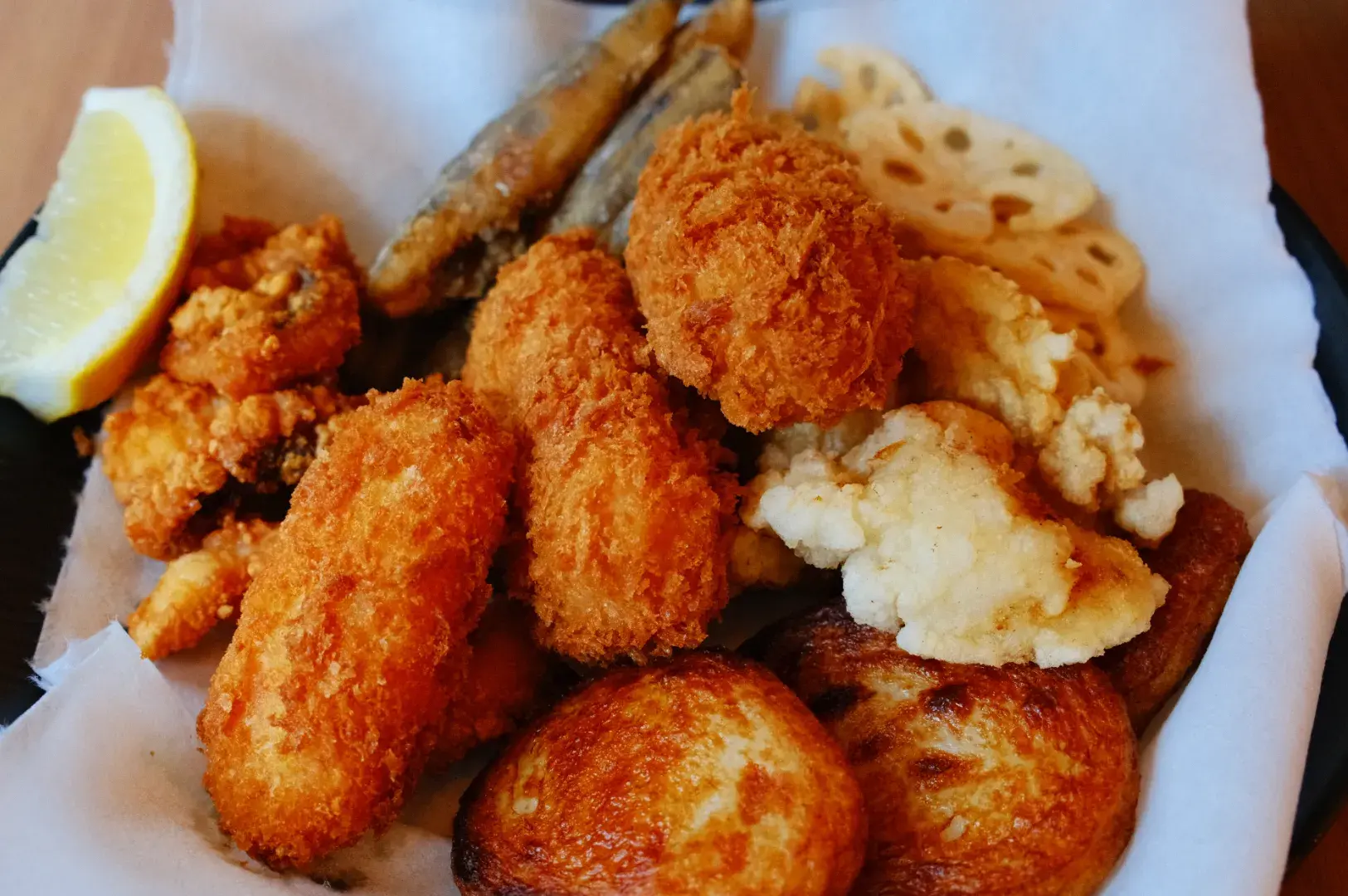
Fresh seafood plays an enormous role in this shift. Sashimi, prepared simply and without excessive intervention, allows the quality of the fish to speak for itself, often needing nothing more than a light touch of soy sauce to bring out its natural depth. Alongside it, grilled skewers cooked over open charcoal bring smoke and char into the mix, offering a contrast to the clean, cold texture of raw fish. Vegetables, often simply grilled or lightly seasoned, round out the table without overwhelming it, combining texture, temperature and flavour across a single sitting.
What ties all of this together is the idea of shared plates. Rather than each guest ordering an individual entree, food is placed at the centre of the table for everyone to reach toward. This communal dining format is central to what makes the izakaya evening transition feel so distinct from typical restaurant service. It removes the formality of a plated, individual course and replaces it with something closer to a gathering.
Small Plates Arrive and Everything Slows Down
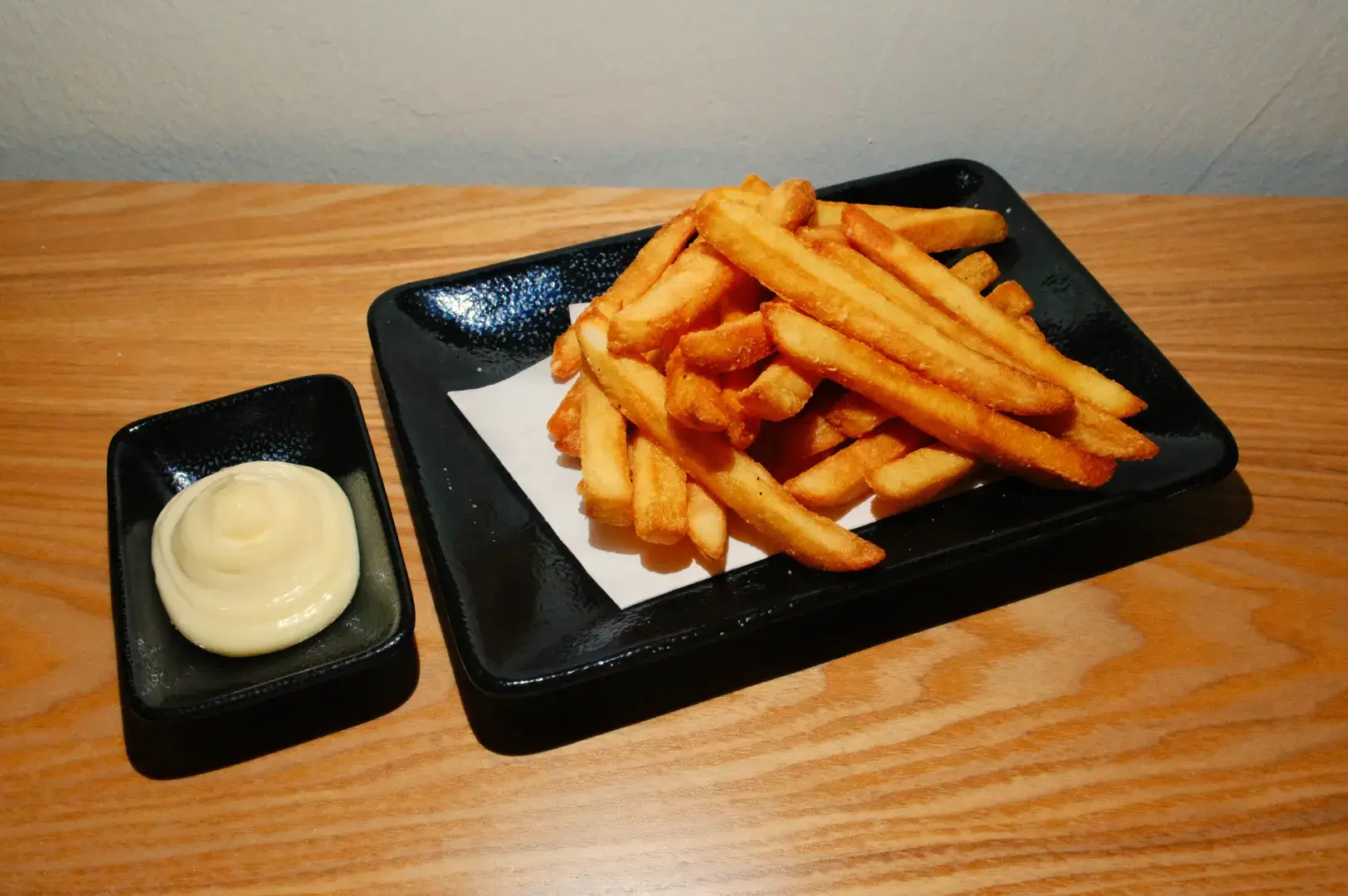
One of the clearest markers of the transition is the arrival of small plates. Where a single generous bowl might define the daytime meal, evening service breaks that same appetite across several smaller offerings, each one distinct in flavour and texture.
Why Small Plates Encourage Community
When small plates arrive gradually, guests are naturally encouraged to talk between courses rather than focus solely on eating. There is no single dish to finish before the meal is considered complete. Guests can skip a rigid course order entirely and simply eat their way through whatever catches their interest. Instead, more dishes keep arriving, each one a small event of its own, giving the table something new to discuss, taste, and pass around.
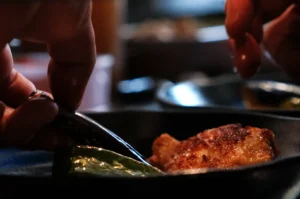
This is part of why many izakayas favour counter seating alongside traditional tables. A guest sitting at the counter can watch chefs at work, request a specific cut of fish, or simply enjoy the theatre of preparation. Watching a grill master turn skewers over charcoal becomes its own kind of entertainment, almost a small tour of the kitchen without ever leaving the seat. It creates a sense of intimacy that a formal dining room rarely achieves, and it reinforces the idea that the evening meal is meant to be experienced, not merely consumed.
Read: Japanese Dining Etiquette: How to Order, Eat, and Drink at an Izakaya
What Makes the Izakaya Experience Distinct
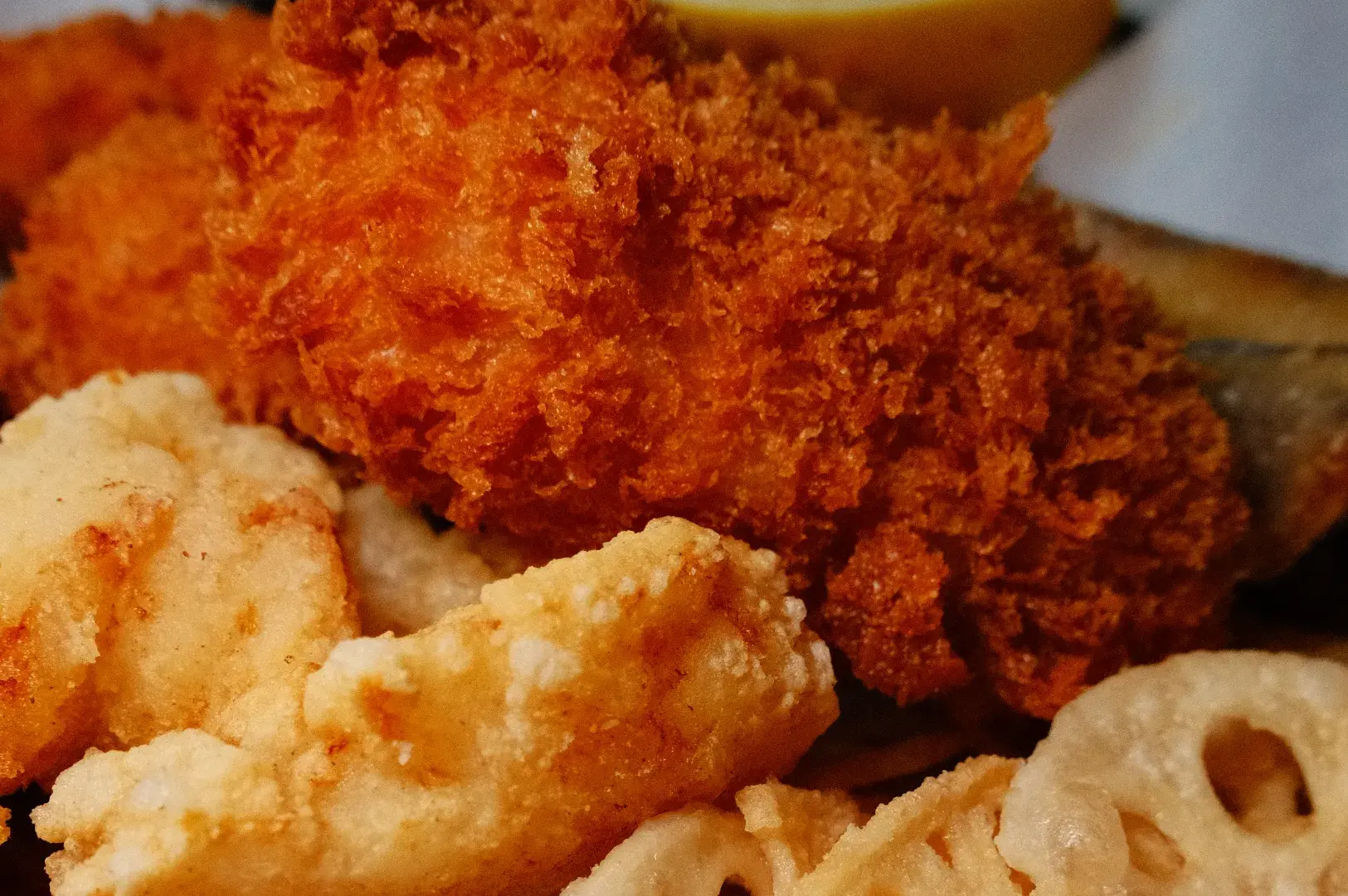
The izakaya experience is defined as much by what it lacks as by what it offers. There is no rigid course structure, no expectation of a starter, main, and dessert in strict order. Guests order what they crave, when they crave it, often revisiting a favourite dish for a second or third round.
Sake, Shochu and the Art of Pairing
Drinks play a central role in this experience. Sake, with its range of styles from dry and crisp to rich and slightly sweet, pairs perfectly with grilled dishes, its clean finish cutting through smoke and char. Shochu, often overlooked outside Japan, offers a different kind of pairing altogether, its earthier character complementing root vegetables and heartier grilled fish. The choice of drink is rarely an afterthought here. It is treated with the same care as the food itself, chosen to complement rather than compete with what is on the table.
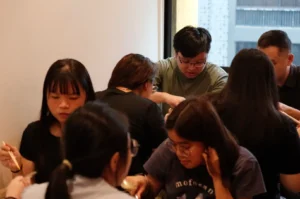
For many guests experiencing this for the first time, the sheer variety on offer can feel unfamiliar. But that unfamiliarity is part of the appeal. An izakaya menu is often carefully curated to encourage exploration, offering small enough portions that trying several dishes across an evening feels natural rather than excessive. Even a crowd of strangers seated shoulder to shoulder at a shared counter tends to soften into easy conversation once the first round of drinks arrives, the warmth of the room doing as much work as the food itself.
Bringing This Transition Into Our Own Evenings
We have built our own evenings around this same philosophy. From six in the evening onwards, our space shifts away from the comforting curry soup bowls we are known for during the day and moves toward a menu built on shared plates, grilled skewers, and the kind of unhurried dining that defines izakaya culture at its best. Vibrant deep fried vegetables, cut using traditional Japanese methods, sit alongside tender grilled options, all designed to be passed around rather than eaten alone.
This is the essence of Soup Curry by Ki-Setsu, a space that holds two identities within a single day, one rooted in Hokkaido comfort food, the other in the relaxed spirit of a Tokyo izakaya after dark. We did not want to choose between the two. Instead, we let the room itself change, just as so many venues across Japan do when the sun begins to set.
The Evening Belongs to a Different Kind of Meal
What ultimately changes during the izakaya evening transition is not any single element but the accumulation of many small shifts working together. Lighting softens. Plates shrink. Conversation lengthens. Drinks are chosen with more intention. Strangers at a counter become, briefly, something closer to friends.
Understanding this transition helps explain why so many guests return to izakaya style dining again and again. It offers something a formal restaurant rarely can: a room that slows down just when the day speeds up, creating space for connection rather than efficiency. That, more than any single dish, is what defines the evening.